What is the 5 Step Safety Rule? A Complete Guide to Isolating Equipment
Learn the 5 step safety rule for isolating equipment. From preparation to verification, master the lockout tagout process to prevent accidents and ensure workplace safety.

 24 May 2026
Learn the 5 step safety rule for isolating equipment. From preparation to verification, master the lockout tagout process to prevent accidents and ensure workplace safety.
 14 May 2026
Discover the truth about OSHA certification in the UK. Learn why it's a myth, what real qualifications you need, and how to avoid wasting money on unrecognized safety courses.
 19 Mar 2026
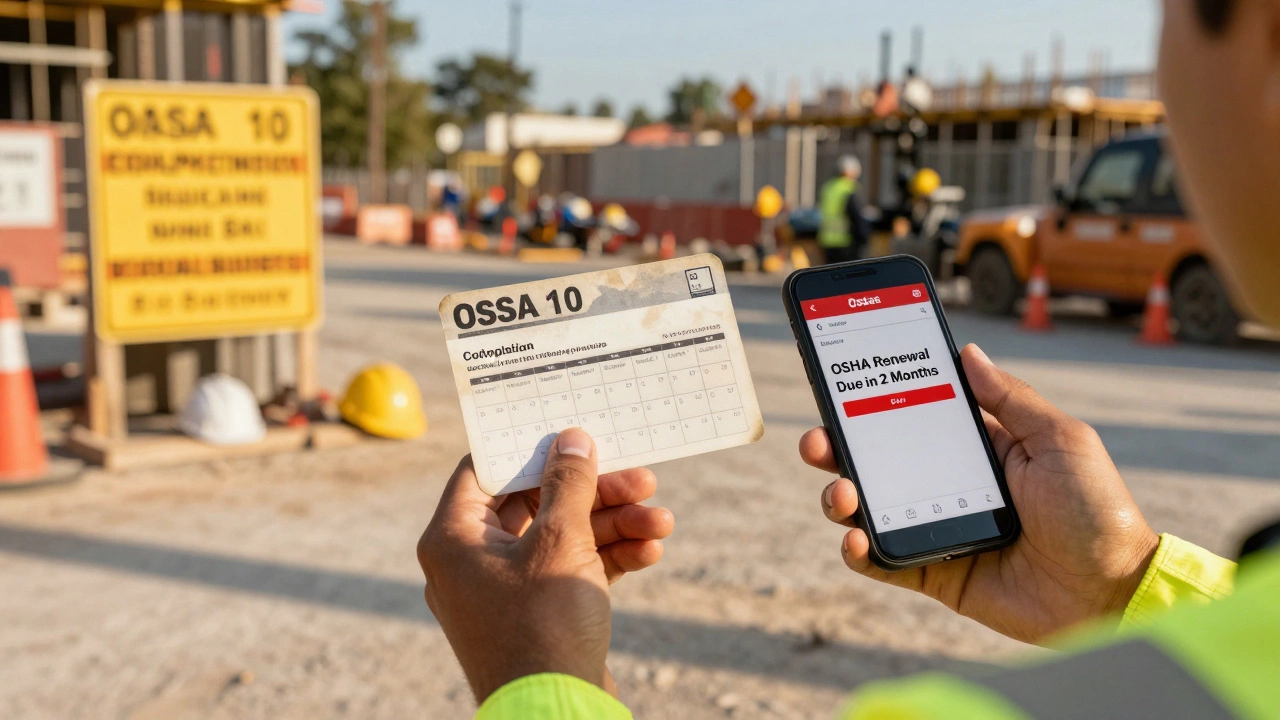
OSHA certification doesn't last forever. Most workers need to renew their OSHA 10 or OSHA 30 training every five years, and specialized courses like HazCom or LOTO require even more frequent updates. Here's what you really need to know.
 1 Mar 2026
OSHA doesn't require a degree for any safety certification or job. Workers enter the field with just an OSHA 10 or 30-hour card. Learn how to start a safety career without college.
 26 Feb 2026
Safety training teaches workers how to identify hazards, use protective gear, respond to emergencies, and follow legal safety rules. It's not just about rules-it's about saving lives every day on the job.
 2 Feb 2026
The OSHA exam isn't hard if you pay attention during training. Learn what to expect from OSHA 10 and OSHA 30 tests, how to pass, common mistakes, and real tips from people who succeeded.
 18 Jan 2026
The OSHA 10 test isn't hard if you pay attention during the course. Most people pass on the first try with basic preparation. Here's what to expect and how to succeed.
 29 Dec 2025
OSHA 30 isn't about being an expert-it's about showing up, paying attention, and doing the work. Learn what it really takes to pass, what most people get wrong, and how to make sure you're in the 90% who succeed on the first try.
 28 Dec 2025
The big 3 in safety-hazard identification, risk control, and proper PPE use-are the essential rules that prevent workplace injuries. Learn how applying these three principles can save lives, reduce accidents, and build a culture of real safety.
 4 Dec 2025
The three R's in safety - Recognize, Reduce, Report - are the foundation of effective workplace safety. Learn how these simple steps prevent accidents and save lives in real-world settings.
 27 Nov 2025
Learn how to start safety training with practical steps, real examples, and legal basics. No fluff - just what you need to protect your team and stay compliant.
 23 Nov 2025
Learn the 7 practical steps to safety that prevent injuries at work. Simple, proven habits for every workplace-from factories to offices. No jargon. Just what works.