
Welder's Lung Health & Safety Quiz
Think you know the truth about welder's milk and lung protection? Take this quick quiz to see if you are relying on myths or science.
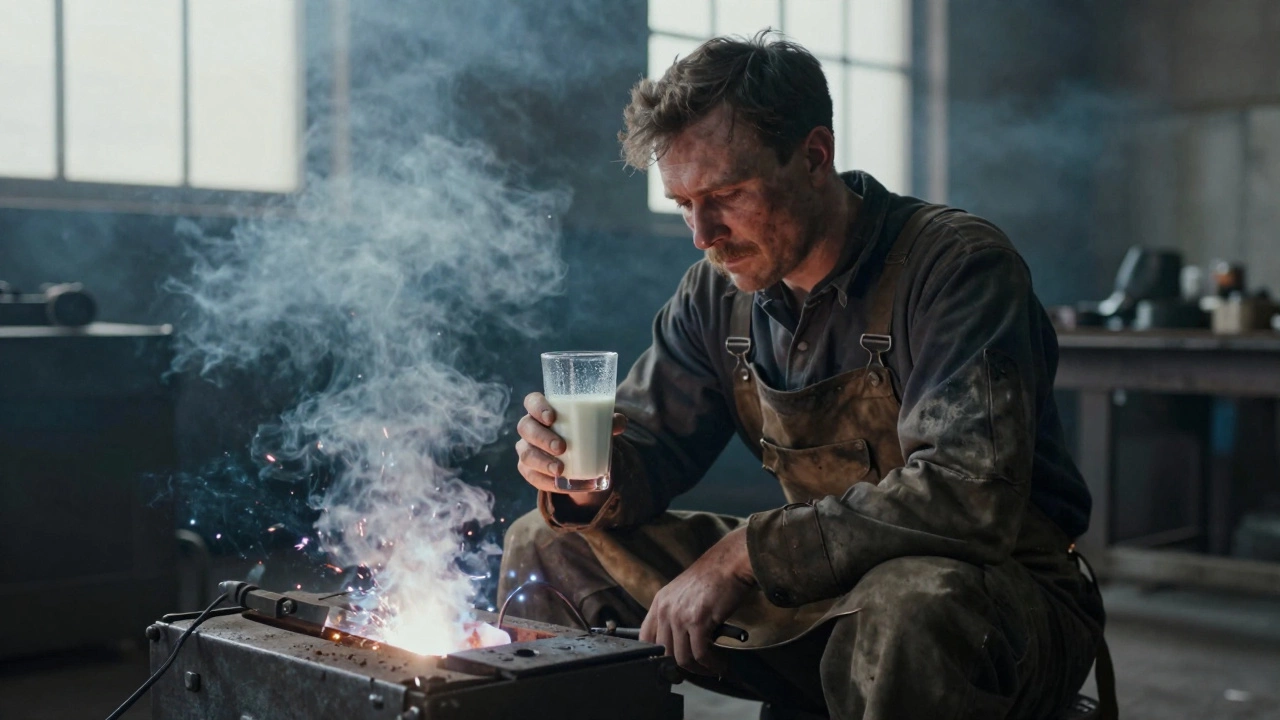
Have you ever walked onto a construction site or into a fabrication shop and seen a welder chugging a glass of white liquid between passes? It looks like they are trying to cool down after a hot shift. For decades, this image has been part of the trade’s culture. You might have heard it called "roofies," "welder’s coffee," or simply "the milk." But why do welders drink milk? Is it actually good for your lungs, or is it just an old wives' tale that keeps getting passed down from master to apprentice?
The short answer is: it doesn't clean your lungs. In fact, relying on milk to protect you from toxic fumes is dangerous. However, the tradition isn't entirely baseless. It stems from a desperate attempt by early industrial workers to soothe irritated airways when proper ventilation didn't exist. Today, understanding the difference between myth and medical reality can save your respiratory health.
The Myth of "Welder's Roofies"
In the welding community, the mixture of milk (sometimes mixed with aspirin, honey, or even whiskey) is famously known as roofies. This term refers to the belief that drinking dairy products helps clear the mucus and toxins from the lungs caused by inhaling welding smoke. Many seasoned tradespeople swear by it. They claim it coats the throat and prevents "welder's flu" or chronic coughs.
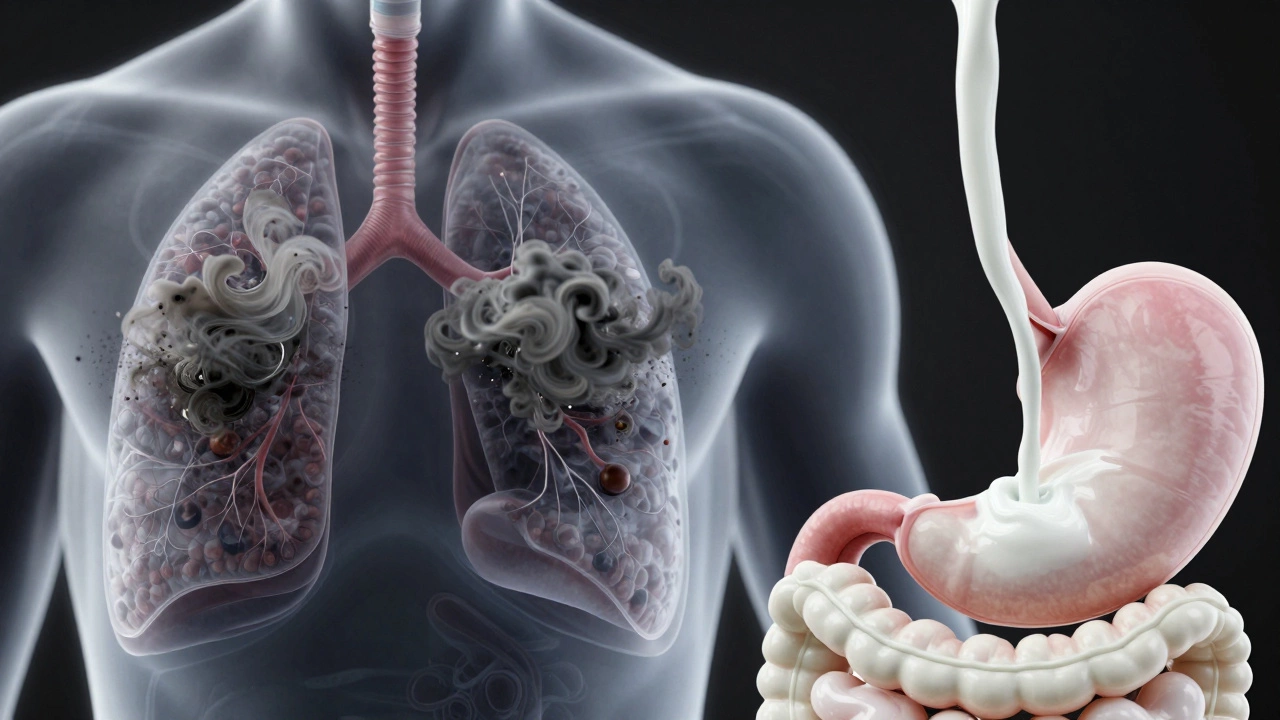
Let’s look at the science. When you weld, especially using processes like Shielded Metal Arc Welding (SMAW) or Flux-Cored Arc Welding (FCAW), you create a plume of metal fumes. These fumes contain particles of iron oxide, manganese, chromium, and nickel, depending on the electrode and base metal. When you breathe these in, they travel deep into your alveoli-the tiny air sacs in your lungs where oxygen exchange happens.
Milk does not reach the alveoli. When you drink milk, it goes down your esophagus into your stomach. It never touches the inside of your lungs. Therefore, it cannot wash away the metallic dust settled there. Drinking milk might soothe a sore throat caused by dry air or heat, but it offers zero protection against metal fume fever or long-term conditions like siderosis (iron accumulation in the lungs).
Where Did the Tradition Start?
If milk doesn't work, why did so many welders believe it did? The tradition likely dates back to the early 20th century during the peak of heavy industrialization. Workers in shipyards, steel mills, and foundries had little access to modern Personal Protective Equipment (PPE). There were no powered air-purifying respirators (PAPRs) and often no local exhaust ventilation systems.
Workers suffered from severe respiratory irritation. They needed *something* to feel better. Dairy products have a cooling effect on the mucous membranes of the mouth and throat. If your throat felt raw from breathing superheated air, a cold glass of milk provided immediate, temporary relief. Over time, this symptom management was mistaken for a cure. It became a ritual-a badge of toughness among crews who worked in hazardous conditions without adequate safety measures.
Additionally, some older theories suggested that the calcium in milk could bind with certain toxins in the digestive system. While calcium is essential for bone health, it does not neutralize airborne metals like manganese or hexavalent chromium once they have entered the bloodstream through the lungs.
The Real Danger: Welding Fumes
To understand why the milk myth is risky, we need to look at what is actually in welding smoke. Welding fumes are complex mixtures of solid particles and gases. The composition depends on three main factors:
- The Base Metal: Steel, aluminum, stainless steel, and galvanized coatings all produce different types of fumes.
- The Electrode/Filler Wire: Flux-cored wires release more smoke than solid MIG wires because the flux contains deoxidizers and stabilizers.
- The Coatings: Painting, grease, or rust on the metal vaporizes and creates highly toxic compounds.
One of the most common acute illnesses is Metal Fume Fever. This condition resembles the flu, with symptoms including chills, fever, nausea, and muscle aches. It typically occurs after inhaling zinc oxide fumes, which are common when welding galvanized steel. Symptoms usually appear 4 to 12 hours after exposure and last about 24 hours. Drinking milk will not prevent this.
Long-term exposure is even more concerning. Chronic inhalation of manganese can lead to neurological damage similar to Parkinson's disease, known as manganism. Chromium-6, found in stainless steel welding, is a known carcinogen linked to lung cancer. These risks require engineering controls and proper filtration, not dietary remedies.
What Actually Protects Your Lungs?
If you are training in welding courses or working on the job, you need effective strategies, not folklore. The hierarchy of controls established by occupational health standards provides a clear path to safety.
- Elimination/Substitution: Can you use a process that produces less fume? For example, TIG welding generally produces less smoke than stick welding.
- Engineering Controls: This is the most critical step. Use local exhaust ventilation (LEV). A fume extractor arm positioned within 12 inches of the arc captures up to 95% of the particulates before you can breathe them. General room ventilation helps, but it is not enough for confined spaces.
- Administrative Controls: Rotate tasks so no single worker is exposed to high fume levels for eight hours straight. Take breaks in clean air zones.
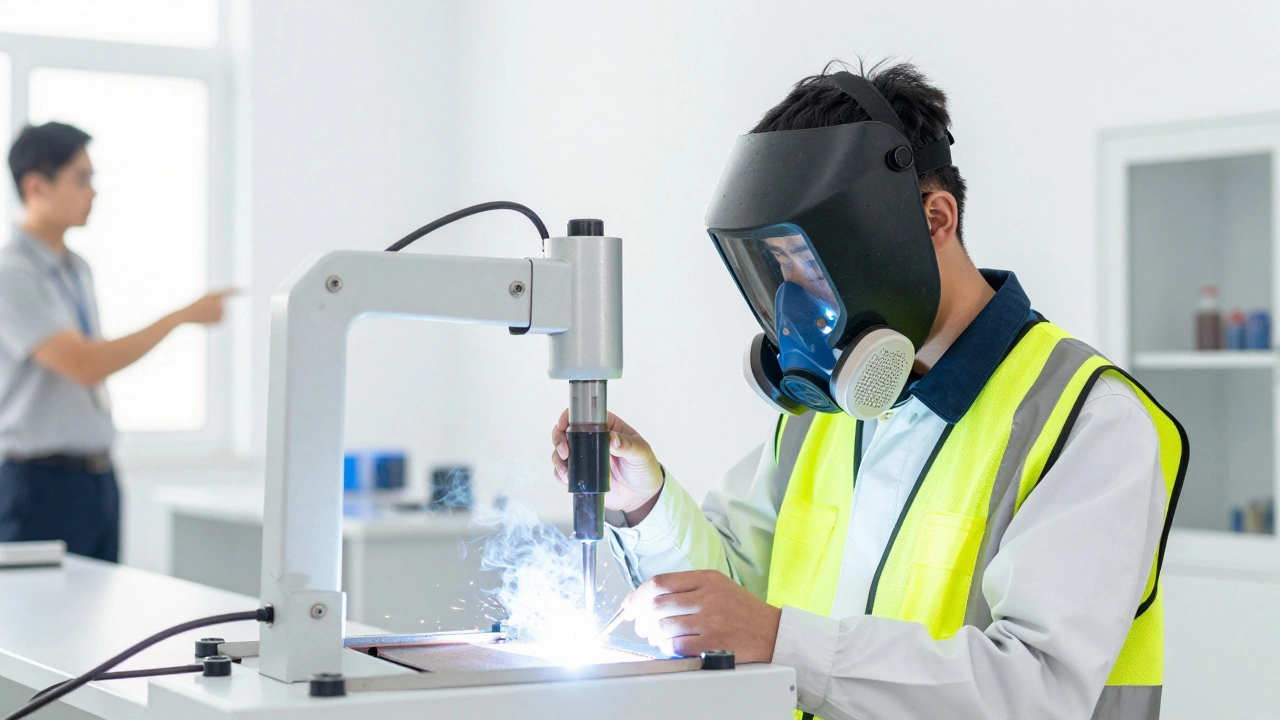
- Personal Protective Equipment (PPE): When ventilation is insufficient, wear a respirator. NIOSH-approved P100 filters are required for welding fumes. Standard dust masks (N95) are often inadequate for the fine particulate matter generated by arcs.
Modern PAPR systems provide a constant flow of filtered air, keeping your faceplate fog-free and your lungs safe. They are heavier than a glass of milk, but they actually work.
| Practice | Claimed Benefit | Scientific Reality |
|---|---|---|
| Drinking Milk (Roofies) | Cleans lungs, removes toxins | Does not reach lungs; may cause digestive issues if consumed excessively |
| Wearing a Dust Mask | Filtration of smoke | Inadequate for welding fumes; requires P100 rated respirators |
| Local Exhaust Ventilation | Removes fumes at source | Highly effective; reduces exposure by up to 95% |
| Hydration (Water) | Keeps body functioning | Essential for kidney function and overall health, but does not filter air |
Is There Any Health Benefit to Dairy for Welders?
While milk won't scrub your lungs, maintaining good nutrition is vital for anyone in a physically demanding trade. Welding requires significant energy expenditure and focus. Calcium and Vitamin D, found in fortified milk, support bone health, which is important if you are lifting heavy materials or working in awkward positions.
However, water remains the best beverage for hydration. Dehydration worsens fatigue and reduces concentration, increasing the risk of accidents. If you enjoy milk, drink it for its nutritional value, not as a protective shield against industrial hazards. Just be mindful that some people develop lactose intolerance as they age, and consuming large amounts of dairy on an empty stomach can cause bloating or discomfort, which is the last thing you want while wearing a heavy harness or helmet.
Breaking the Cycle in Modern Training
As the industry evolves, so does the approach to safety. Modern vocational training programs emphasize evidence-based safety protocols over traditional myths. Instructors now teach students how to read Safety Data Sheets (SDS) for specific electrodes and metals. They demonstrate how to position fume extractors correctly and how to fit-test respirators.
This shift is crucial. Younger welders are entering the workforce with higher expectations for workplace safety. They are less likely to accept "that's how we've always done it" as a valid explanation for poor ventilation. By rejecting the milk myth, we acknowledge that welding is a skilled trade that respects human biology and environmental health.
If you see a colleague reaching for a glass of milk instead of adjusting their fume extractor, gently remind them that their lungs don't have a self-cleaning button. Encourage them to check their airflow settings or replace their filter cartridges. Small actions like these build a culture of care that lasts longer than any temporary soothing drink.
Practical Tips for Respiratory Health
Beyond equipment, there are lifestyle habits that support lung resilience. Regular cardiovascular exercise improves lung capacity and efficiency. Avoid smoking, as tobacco smoke combined with welding fumes drastically increases the risk of respiratory diseases. Finally, schedule regular health check-ups. Early detection of issues like reduced lung function can allow for timely interventions.
Remember, the goal is to finish your career with the same breath you started with. Don't rely on outdated traditions to protect your most vital organ. Use technology, follow regulations, and stay informed. Your future self will thank you for every clean breath you take today.
Does drinking milk really clean your lungs after welding?
No, drinking milk does not clean your lungs. Milk travels to the stomach, not the lungs. It cannot remove metal fumes or toxins that have been inhaled into the respiratory system. This is a common myth known as "roofies" that has no scientific basis.
What is "welder's roofies"?
"Welder's roofies" is a slang term for a mixture of milk, sometimes combined with aspirin, honey, or alcohol, that some welders drink believing it protects their lungs from fumes. It is a historical tradition with no medical validity.
How can I protect my lungs from welding fumes?
The best protection comes from Local Exhaust Ventilation (LEV) placed near the arc, wearing a NIOSH-approved P100 respirator, and ensuring general workspace ventilation. Avoid relying on dietary remedies.
What is Metal Fume Fever?
Metal Fume Fever is an illness caused by inhaling zinc oxide fumes, often from welding galvanized steel. Symptoms include flu-like chills, fever, and nausea. It is prevented by proper ventilation and respirator use, not by drinking milk.
Is it safe to drink milk while welding?
It is physically safe to drink milk, but it should not be viewed as a safety measure. Hydration is important, but water is generally preferred. Ensure you are not breaking safety protocols by removing gloves or touching contaminated surfaces while drinking.



Write a comment