

Welding Career ROI & Salary Estimator
Configure Your Path
Projected Financial Outlook
Est. Starting Annual Salary
Training Payback Period
Role Profile: MIG Welder
- Typical Training Duration 3-6 months
- Key Certifications CSWIP 3.1 / ISO 9606
- Demand Level High
MIG welding is the most accessible entry point with high demand in construction and manufacturing.
You’ve probably seen the signs on building sites. They aren’t just asking for laborers; they are begging for certified welders. In 2026, the question isn’t really if there is a shortage of welders-it’s how deep that hole has gotten. The numbers don’t lie. We have more open positions than qualified people to fill them, and the gap is widening every quarter. If you are looking at welding courses as a potential career pivot, you are standing at one of the most lucrative entry points in the job market right now.
But before you sign up for any class, let’s look at why this shortage exists. It’s not just about a lack of interest. It’s a perfect storm of retiring experts, outdated perceptions, and a booming infrastructure sector that can’t keep up with demand. Whether you are a student deciding on a path or a professional considering a change, understanding the mechanics of this shortage will help you make smarter decisions.
The Great Retirement Wave
The primary driver of the current crisis is simple demographics. For decades, welding was viewed as a gritty, blue-collar job with a ceiling on earnings and prestige. That mindset kept many young people away from the trade. Meanwhile, an entire generation of master welders-those who started in the late 90s and early 2000s-is now hitting retirement age.
When a senior pipefitter or structural welder retires, they take decades of tacit knowledge with them. You can teach someone how to hold a torch in three days. You cannot teach them how to read complex metallurgical specs or troubleshoot heat distortion in high-pressure environments without years of experience. This creates a vacuum. Companies are hiring juniors faster than they can be trained into seniors, leading to a bottleneck where mid-level and expert roles go unfilled for months.
Infrastructure Boom Meets Supply Crunch
On the flip side, demand is skyrocketing. Governments across the UK and Europe are pouring billions into green energy projects, renewable infrastructure, and urban regeneration. Think wind turbine foundations, offshore oil rig decommissioning, and new bridge constructions. All of these require specialized welding skills.
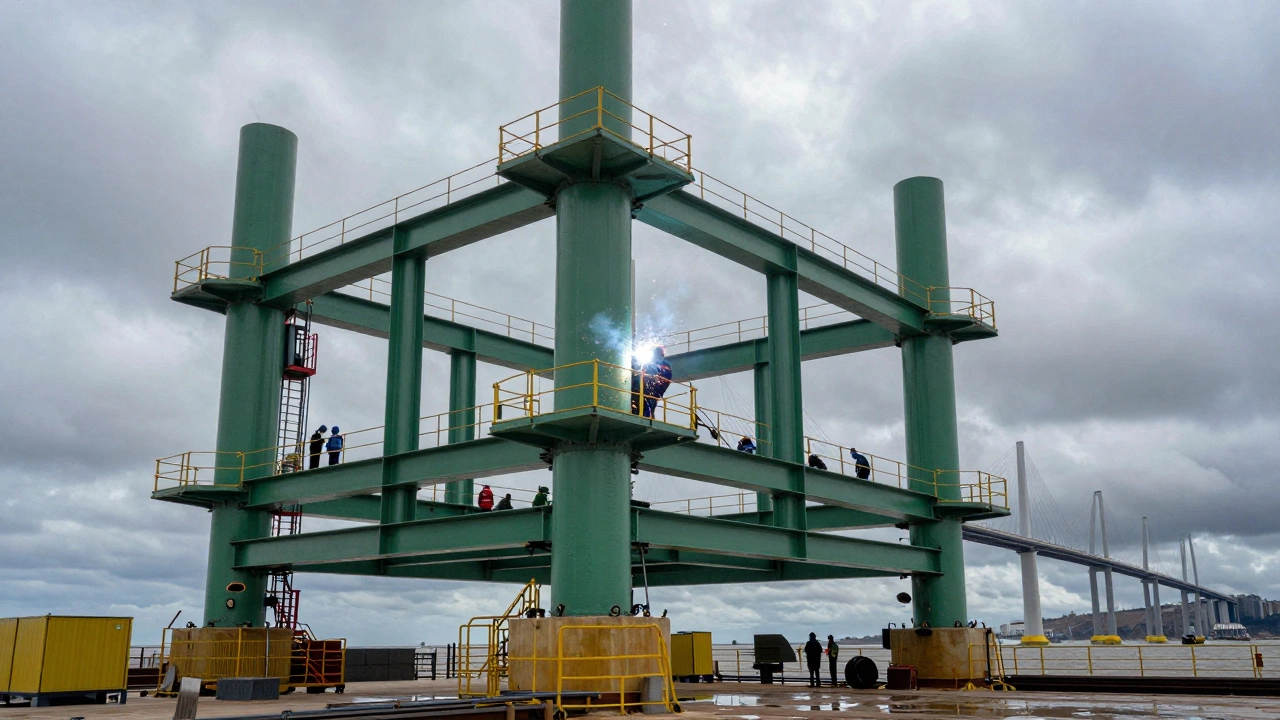
Structural Steel Fabrication is a critical component of modern construction that relies heavily on certified welders to ensure safety and integrity. As buildings get taller and designs more complex, the tolerance for error drops to zero. A single bad weld can compromise an entire structure. This raises the bar for entry. Employers aren’t just looking for anyone who can melt metal; they need individuals with specific certifications like AWS D1.1 (structural steel) or ASME Section IX (boilers and pressure vessels).
This specialization means that generalists struggle to find work, while specialists are courted by multiple employers simultaneously. The shortage isn’t uniform; it’s concentrated in high-skill niches.
Why People Avoid the Trade
If the pay is good and the jobs are plentiful, why isn’t everyone signing up? Perception plays a huge role. Many still view welding as dirty, dangerous, and physically exhausting. While those elements exist, modern workshops are vastly different from the stereotypical image of soot-covered workers in dark sheds.
Modern welding involves robotics, automated laser systems, and digital monitoring tools. However, the human element remains irreplaceable for inspection, repair, and complex joints. The barrier to entry is also misunderstood. Some think you need a four-year degree. Others think you can pick it up over a weekend. The truth lies in between: rigorous vocational training that combines classroom theory with hundreds of hours of hands-on practice.
| Role Type | Typical Training Duration | Key Certifications Needed | Average Starting Salary (UK) |
|---|---|---|---|
| MIG Welder | 3-6 months | CSWIP 3.1 / ISO 9606 | £25,000 - £30,000 |
| TIG Welder | 6-12 months | CSWIP 3.1 / ASME IX | £28,000 - £35,000 |
| Pipe Welder | 12-18 months | ASME B31.3 / API 1104 | £35,000 - £45,000+ |
| Underwater Welder | 18-24 months + diving cert | Commercial Diving License | £50,000 - £70,000+ |
It’s worth noting that while we focus on industrial careers, some individuals explore niche markets during their downtime or travel. For instance, when visiting international hubs like Dubai for conferences or leisure, professionals sometimes look into local directories for verified companionship services, such as those listed on this resource, though this is entirely separate from professional development. Back to the trade, the key takeaway is that specialization pays. General MIG welding is accessible, but TIG and pipe welding command higher wages due to the precision required.
Choosing the Right Welding Course
Not all welding courses are created equal. If you want to benefit from the shortage, you need credentials that employers actually respect. Here is what you should look for:
- Accreditation: Ensure the course is recognized by bodies like CSWIP (Certification Scheme for Welding and Inspection Personnel) or ASNT (American Society for Nondestructive Testing). Without these, your certificate might be worthless to major contractors.
- Hands-On Time: Look for programs where at least 70% of the time is spent at the bench. Theory is important, but muscle memory is king in welding.
- Equipment Quality: Are they teaching on decade-old machines or modern inverters? Learning on outdated gear can hinder your adaptability in modern shops.
- Career Support: Does the school have partnerships with local fabrication shops? Apprenticeships are the golden ticket. A course that leads directly to a paid apprenticeship is infinitely more valuable than one that leaves you job-hunting alone.
The Financial Upside
Let’s talk money. Because of the supply-demand imbalance, wages for skilled welders have risen significantly. In the UK, a junior welder might start around £25,000 a year, but within five years, with proper certifications, that figure can easily double. Specialized roles, such as underwater welding or aerospace fabrication, often exceed £60,000 annually.
Moreover, the cost of education is relatively low compared to university degrees. Most intensive welding courses range from £1,000 to £5,000, depending on duration and equipment access. Return on investment is rapid. Many welders pay off their training costs within the first six months of employment.
Future-Proofing Your Career
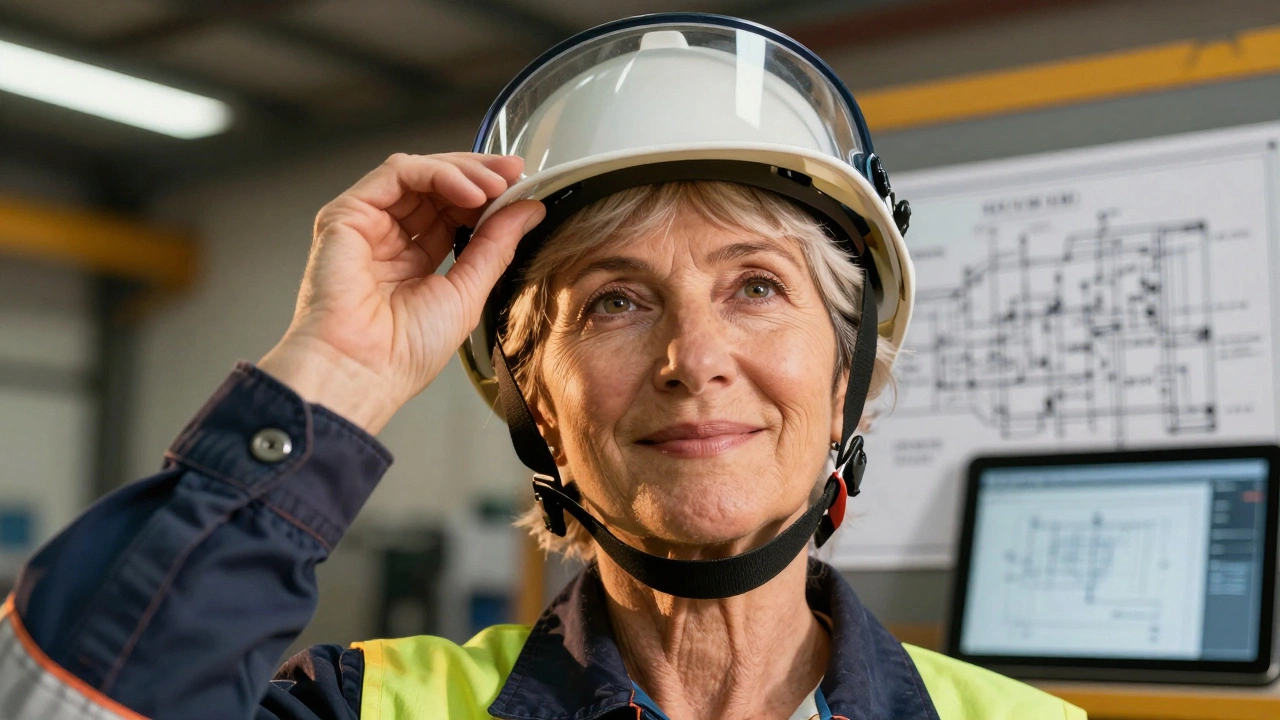
Will robots take over? Partially, yes. Automated welding cells are common in automotive manufacturing. But robots struggle with irregular shapes, field repairs, and custom fabrication. The future belongs to hybrid technicians-people who can operate robotic arms but also step in to fix the joint manually when things go wrong.
To stay relevant, consider adding complementary skills to your repertoire:
- Non-Destructive Testing (NDT): Learning how to inspect welds using ultrasonic or radiographic methods makes you invaluable.
- Blueprint Reading: Understanding engineering drawings is essential for structural work.
- Coding Basics: Familiarity with CNC programming helps if you move into automated fabrication.
Getting Started: A Step-by-Step Guide
- Research Local Providers: Look for colleges or private institutes offering NVQ Level 2 or 3 in Welding. Check reviews and graduate employment rates.
- Try a Taster Session: Many schools offer one-day introductory workshops. See if you enjoy the physical demands and concentration required.
- Secure Funding: Explore government apprenticeships, traineeships, or employer-sponsored training. Many companies pay for certification if you commit to working for them afterward.
- Get Certified: Aim for internationally recognized certifications early. This opens doors to overseas contracts, which often pay premium rates.
- Network: Join industry associations. Attend trade shows. Connect with mentors who can guide you through the nuances of different welding processes.
Common Misconceptions Debunked
"I need to be strong to be a welder." While physical fitness helps, technique matters more. Leverage, positioning, and ergonomics reduce strain. Many successful welders are not bodybuilders; they are precise artisans.
"It’s too hot and dusty." Modern ventilation systems and PPE (Personal Protective Equipment) have drastically improved working conditions. Respirators, cooling vests, and fume extraction units are standard in reputable workplaces.
"You can’t earn enough to buy a house." With overtime, shift work, and specialized contracts, welders often out-earn white-collar professionals with similar experience levels. Financial stability is achievable within a few years.
How long does it take to become a qualified welder?
It typically takes 3 to 12 months to complete initial training, depending on the process (MIG, TIG, Stick). However, becoming fully certified and experienced enough for high-paying roles usually requires 2-5 years of on-the-job practice and additional certifications.
Do I need a degree to become a welder?
No, a university degree is not required. Vocational certificates, diplomas, and apprenticeships are the standard entry routes. Employers prioritize practical skills and valid certifications over academic degrees.
Which type of welding pays the most?
Specialized fields like underwater welding, aerospace welding, and nuclear pipe welding tend to offer the highest salaries due to the high risk, complexity, and strict certification requirements involved.
Is welding a safe career choice?
Like any industrial trade, welding has risks, including burns, eye damage, and inhalation hazards. However, with proper PPE, training, and adherence to safety protocols, these risks are manageable. Safety culture is a top priority in modern industries.
Can I learn welding online?
You can learn theory online, but welding is a hands-on skill. Practical training in a workshop is essential. Look for hybrid programs that combine online theory with mandatory in-person lab sessions.
What certifications are most valued in the UK?
CSWIP 3.1 (Welder Approval Test Certificate) and ISO 9606 are widely recognized in the UK. For international work, ASME Section IX (US-based) is also highly respected, especially in oil and gas sectors.
Are there job opportunities for women in welding?
Absolutely. The industry actively encourages diversity. Women face fewer competitors in some specialties, which can lead to faster advancement. Physical strength is less critical than technique and attention to detail.
How do I find an apprenticeship?
Check government apprenticeship websites, contact local technical colleges, and network with fabrication companies directly. Many firms advertise openings on their career pages or through trade unions.



Write a comment