
High-Earning Welding Career Calculator
Select your preferred work environment and risk tolerance to discover which welding career offers the highest potential salary based on 2026 UK market data.
Role Title
Description goes here.
Trade-off description.
Most people think welding is just about joining metal with fire. They picture a guy in a shop fixing a gate or building a frame for a shed. That work is steady, sure, but it doesn’t pay the big money. If you are looking at welding courses because you want a high salary, you need to look past the local garage and toward the industrial giants.
The question isn't just "which welding process makes the most cash?" It is "which environment pays the highest premium for skill?" The gap between a minimum-wage stick welder and a top-earning specialized technician can be massive. We are talking about differences of £30,000 to £50,000+ per year depending on where you work and what you can handle.
The Reality of Welding Salaries in 2026
Before we name the winner, let's ground this in reality. In the UK, an apprentice welder might start around £18,000 to £22,000. A journeyman welder with a few years of experience typically earns between £25,000 and £35,000. These are decent living wages, but they aren't life-changing.
To break into the six-figure bracket (or its high-five-figure equivalent in the UK), you usually have to trade comfort for pay. You will likely face long shifts, remote locations, hazardous conditions, or extreme physical demands. The market pays for risk, certification difficulty, and scarcity of labor.
Underwater Welding: The Highest Paying Role
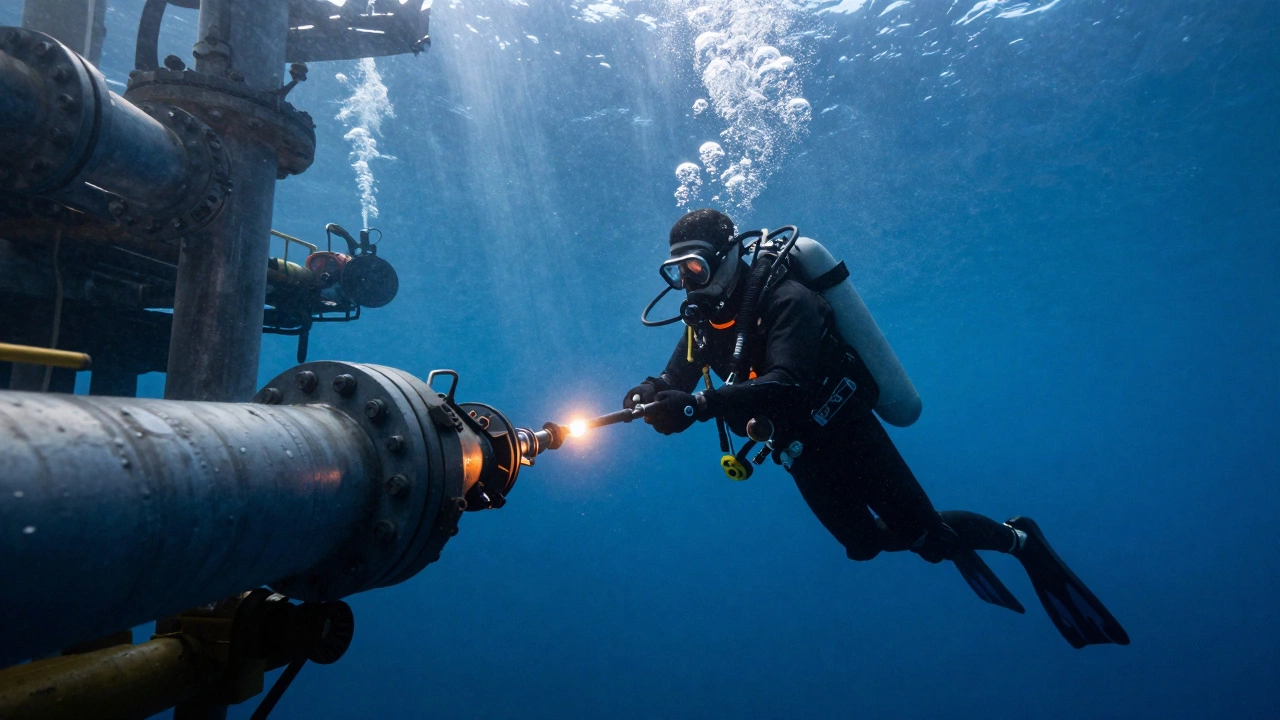
Commercial Diver / Underwater Welder is a highly specialized role that combines technical diving with structural repair and fabrication underwater. This is widely considered the highest-paying job in the welding world.
If you love the idea of maximum pay, this is the peak. However, calling it just "welding" is misleading. Only about 25% of the job is actually welding. The other 75% is commercial diving-inspecting pipelines, cleaning structures, and managing complex equipment under pressure.
Salaries here are staggering. Entry-level commercial divers often start at £40,000 to £50,000. Experienced divers working on offshore oil rigs or major infrastructure projects can earn £80,000 to £120,000+ annually, especially when overtime and hazard bonuses are included. In the US, these figures go even higher, often exceeding $100,000 easily.
Why it pays so much:
- Risk: You are working in a hostile environment where mistakes can be fatal. Decompression sickness, entanglement, and electrical hazards are real threats.
- Training: You cannot just take a weekend course. You need a commercial diving license, which takes months of rigorous training and costs thousands of pounds.
- Demand: Offshore wind farms and aging oil platforms need constant maintenance, creating a steady demand for certified professionals.
The Catch: The career lifespan is short. Many divers retire by their early 40s due to joint damage from pressure changes and physical wear. It is a sprint, not a marathon.
Pipeline Welding: The Consistent High Earner
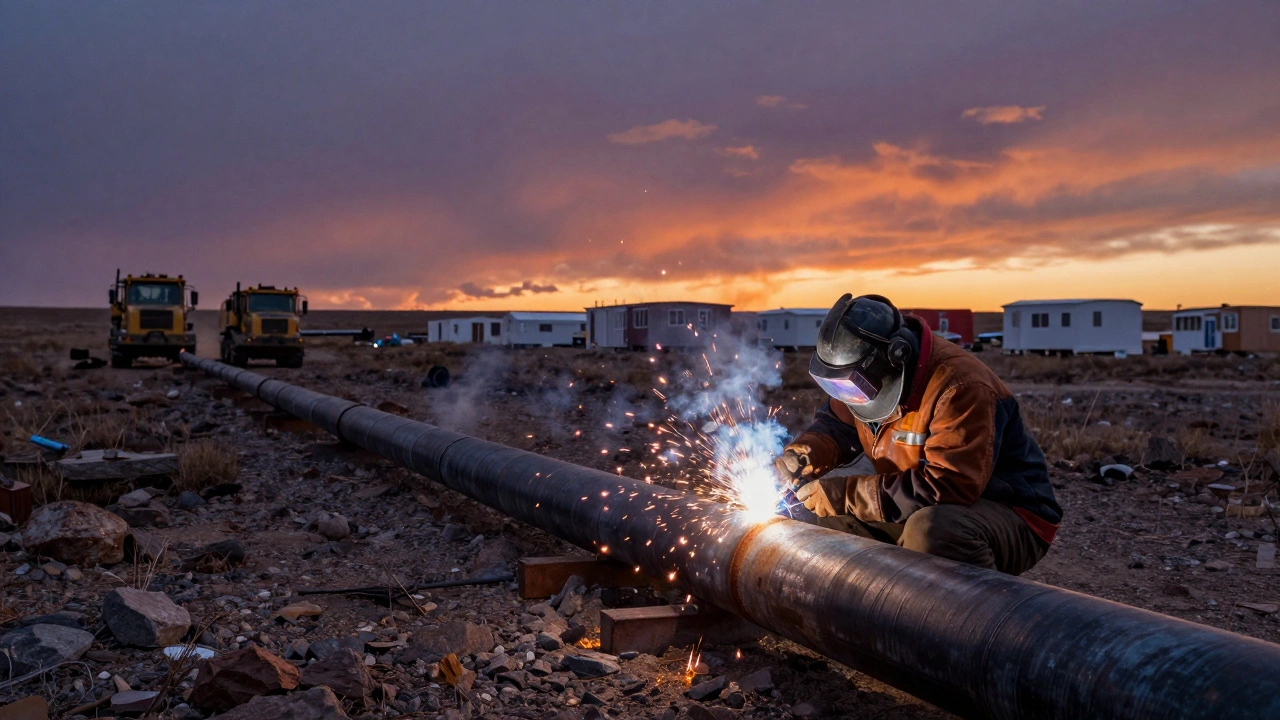
If underwater work sounds too dangerous or physically draining, pipeline welding is the next best option for raw income. Pipeline welders travel extensively to lay new lines for natural gas, oil, or water across countries.
In the UK and Europe, skilled pipeline welders earning daily rates rather than hourly wages can make £300 to £500 per day. When you add in the fact that they often work 12-hour days, 7 days a week during project seasons, the annual income easily surpasses £60,000 to £90,000.
Key Skills Required:
- X-Ray Quality Welds: Pipeline welds must pass radiographic testing. One flaw means cutting out the section and starting over. Precision is non-negotiable.
- Positional Welding: You must weld in all positions-flat, horizontal, vertical, and overhead-often in tight spaces inside the pipe (root pass) and outside.
- Certifications: AWS D1.1 or ISO 15614 certifications are standard requirements.
The Lifestyle Trade-off: You will live out of a truck or camp trailer. You might spend weeks in the middle of nowhere, far from family and friends. But the pay compensates for the isolation.
TIG Welding in Aerospace and Nuclear
Not everyone wants to dive or travel. For those who prefer stability and clean environments, Tungsten Inert Gas (TIG) welding in high-tech industries offers excellent compensation.
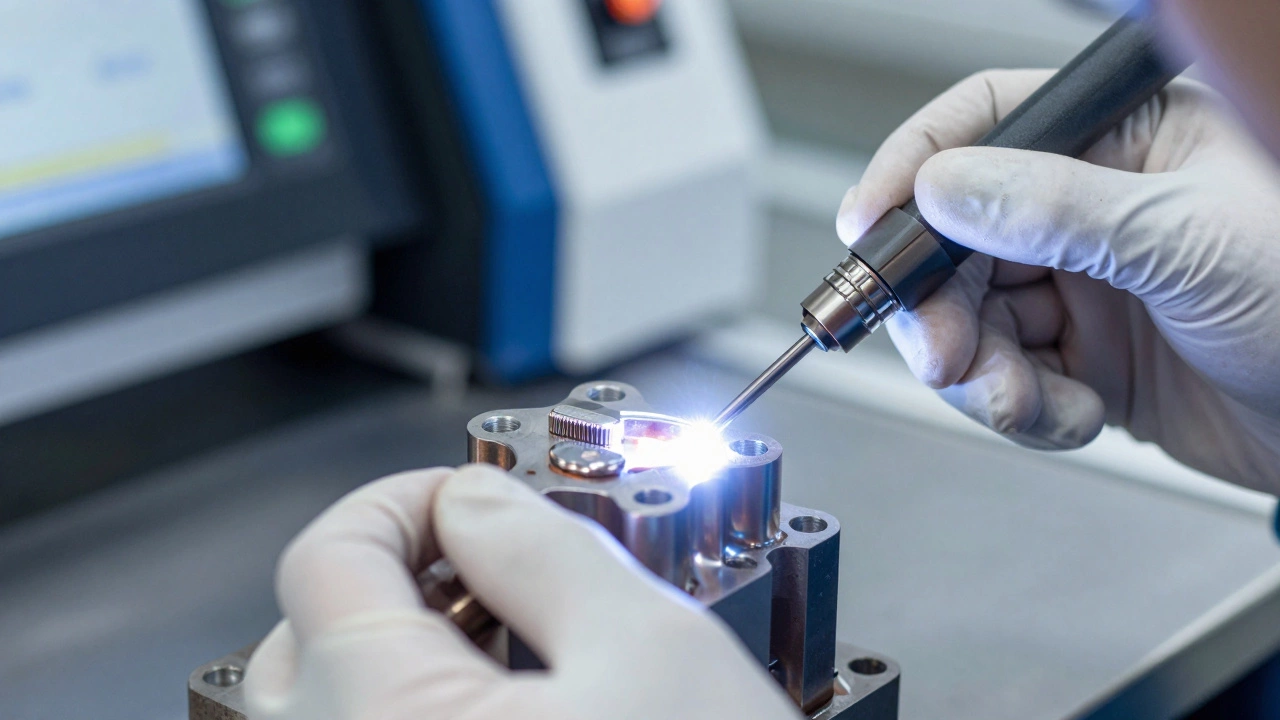
TIG Welding is a precision arc welding process that uses a non-consumable tungsten electrode to produce the weld. It requires exceptional hand-eye coordination and produces the cleanest, strongest welds.
Aerospace manufacturers (like Airbus in the UK) and nuclear power plant operators need welders who can handle exotic metals like titanium, stainless steel, and nickel alloys. These materials are expensive and unforgiving; a bad weld can lead to catastrophic failure.
Salaries for aerospace TIG welders range from £35,000 to £55,000 base, with senior technicians earning up to £70,000. While this is lower than underwater welding, it comes with benefits: pensions, health insurance, regular hours, and job security.
Why it pays well:
- Precision: TIG welding is slow and difficult to master. It looks like magic when done right-beads as smooth as stacked dimes.
- Cleanliness: Contamination ruins the weld. You must maintain a sterile workspace, which requires discipline.
- Regulation: Every weld is documented and inspected. You are working under strict regulatory oversight.
Structural Steel Welding in Construction
This is the bread and butter of the industry. Structural welders build skyscrapers, bridges, and stadiums. While the base pay is lower than the specialties above, unionized structural welders in major cities can earn significant amounts through overtime and prevailing wage laws.
In London or Manchester, a senior structural welder can earn £40,000 to £50,000. The key here is union membership and working on large-scale commercial projects. Residential construction pays significantly less.
Pros:
- Job Availability: There is always construction happening. You will never lack for work if you are skilled.
- Physical Engagement: You are outdoors, moving around, and seeing tangible results of your labor.
Cons:
- Economic Sensitivity: When the economy slows, construction stops first.
- Weather Dependence: Rain, wind, and cold can halt work, meaning lost pay days unless you have strong sick leave policies.
Comparison of Top Welding Careers
| Welding Type | Avg. Annual Salary (UK) | Risk Level | Travel Required | Training Difficulty |
|---|---|---|---|---|
| Underwater Welding | £60,000 - £120,000+ | Very High | High (Offshore) | Extremely High |
| Pipeline Welding | £50,000 - £90,000 | Medium-High | Very High (Remote) | High |
| Aerospace TIG | £35,000 - £70,000 | Low | Low | High (Precision) |
| Structural Steel | £30,000 - £50,000 | Medium | Medium | Medium |
| MIG/Fabrication | £22,000 - £35,000 | Low | Low | Low-Medium |
How to Maximize Your Earnings
Knowing which type pays the most is only half the battle. You need a strategy to get there. Here is how you position yourself for the top tier.
- Get Certified Early: Don't just rely on experience. Obtain AWS, ASME, or ISO certifications. These papers prove you can weld to code, which is what employers care about.
- Specialize in Exotic Metals: Learning to weld aluminum, titanium, or inconel sets you apart. Most general welders stick to mild steel. If you can handle the aerospace materials, you command a premium.
- Join a Union: In many regions, unions negotiate better wages, benefits, and safety standards. For structural and pipeline work, union cards are golden.
- Be Willing to Travel: The highest paychecks come from remote locations. If you are willing to go to the North Sea, the Middle East, or rural Canada, your income potential doubles.
- Continuous Learning: Technology changes. Robotic welding assistance and automated inspection tools are becoming common. Learn to operate and program these systems. A welder who can also troubleshoot robots is invaluable.
Is It Worth the Effort?
Welding is physically demanding. It involves heat, sparks, heavy lifting, and awkward positions. Your back and knees will feel it. But for those who enjoy hands-on work and dislike sitting in an office, it offers a rare combination of autonomy and high pay.
You don't need a four-year university degree to earn more than many graduates. With focused training, discipline, and a willingness to tackle difficult environments, welding can provide a comfortable, even luxurious, lifestyle. The key is to aim high from day one. Don't settle for basic fabrication if your goal is financial freedom. Target the pipelines, the depths, or the skies.
What is the highest paying welding job in the UK?
The highest paying welding-related job in the UK is commercial underwater welding/diving. Experienced divers working on offshore oil and gas or renewable energy projects can earn between £80,000 and £120,000+ annually. Pipeline welders are a close second, particularly those working on international contracts or remote domestic projects.
Do I need a degree to become a high-paid welder?
No, you do not need a traditional university degree. Instead, you need specific vocational certifications. For example, AWS (American Welding Society) or ISO certifications are crucial. For underwater welding, you need a commercial diving license from an accredited school. Employers value proven skills and certifications over academic degrees in this field.
Is underwater welding really 25% welding and 75% diving?
Yes, this is a common misconception. Most underwater "welders" are actually commercial divers. Their primary job is inspection, cleaning, and demolition using hydraulic tools. Actual arc welding underwater is relatively rare and often replaced by mechanical fastening or dry-habitat welding techniques due to safety and quality concerns.
Which welding process is hardest to learn?
TIG (Tungsten Inert Gas) welding is generally considered the most difficult to master. It requires simultaneous control of the torch, filler rod, and foot pedal (for amperage). It demands exceptional hand-eye coordination and patience. However, once mastered, it opens doors to high-paying aerospace and nuclear jobs.
Can I earn £100,000 as a welder in the UK?
It is possible but rare. To reach this level, you would typically need to be a senior commercial diver, a superintendent overseeing multiple welding teams, or a highly specialized pipeline welder working on long-term international contracts with significant overtime. Standard domestic welding jobs rarely exceed £60,000.


Write a comment