
Welding Salary Estimator
Select your preferred welding specialization and adjust experience and certification levels to see estimated earning potential.
Pipeline Welding
High-risk infrastructure projects requiring 6G certification. Remote locations with premium daily rates.
High Risk £400-600/dayUnderwater Welding
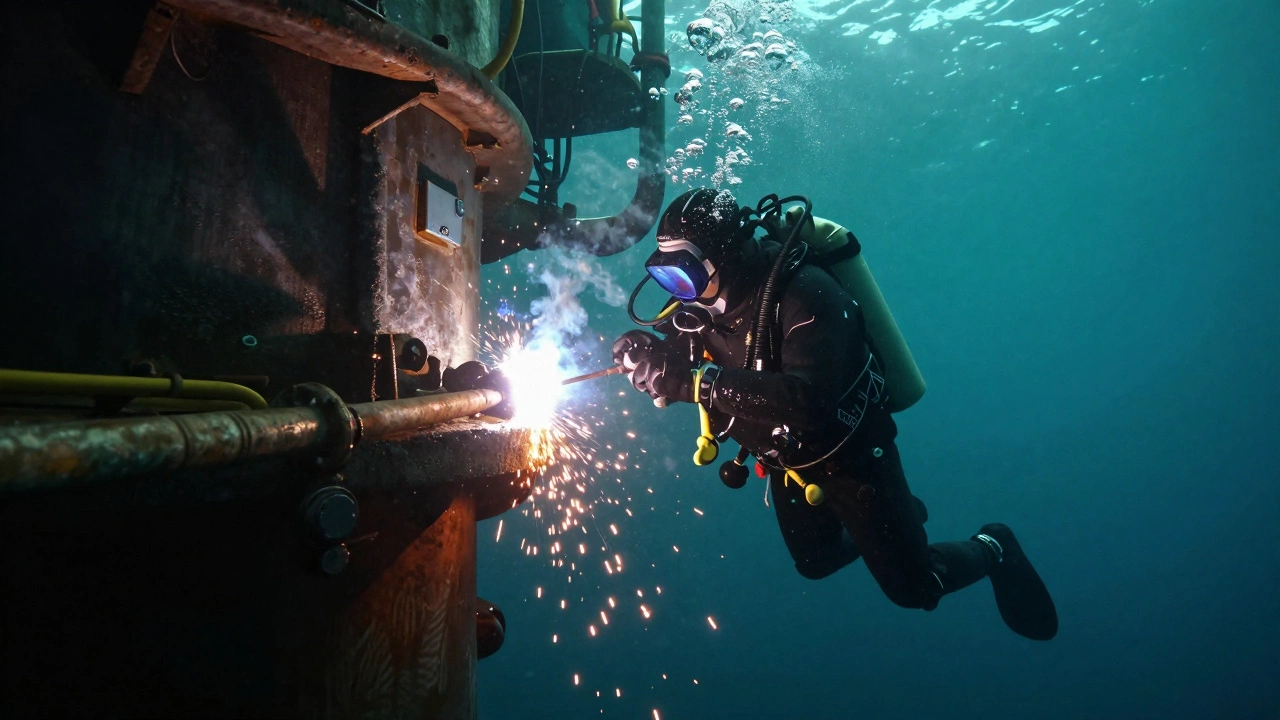
Commercial diving combined with welding. Extreme hazard premium for offshore oil rigs and ship repairs.
Extreme Risk £60k-150k+TIG/Aerospace
Precision welding for aerospace, medical devices, and custom fabrication. Steady work with excellent benefits.
Low Risk £40k-65kEstimated Annual Salary
Most people think of welding as a gritty, low-paying trade where you show up, melt metal, and go home. That image is outdated. While entry-level positions might not make headlines, specialized welding roles can out-earn many white-collar professions. The real question isn't just "what pays well," but "which skills command that premium?" If you are looking at welding courses to break into this field, understanding the hierarchy of pay is crucial before you spend a single penny on training.
The gap between a general fabrication welder and a top-tier specialist is massive. In the UK and globally, the difference can be tens of thousands of pounds per year. This guide breaks down exactly which processes pay the most, why they pay that much, and what it takes to get there.
The Heavy Hitters: Underwater and Pipeline Welding
When we talk about the absolute highest figures in the industry, two fields dominate the conversation: underwater welding and pipeline welding. These aren't just jobs; they are high-risk environments that require elite certification and physical endurance.
An underwater welder, technically known as a commercial diver, doesn't just swim around with a torch. They work in hyperbaric chambers or directly submerged in deep water, repairing structures under immense pressure. The risk of decompression sickness, equipment failure, or drowning means employers pay a significant hazard premium.
- Average Salary: In the UK, experienced commercial divers can earn between £60,000 and £150,000+ annually, depending on contract length and location (North Sea vs. global projects).
- Requirements: You need ADI (Association of Diving Contractors International) or IMCA (International Marine Contractors Association) certification, plus AWS D3.6 (AWS for Underwater Welders) qualification.
- The Catch: It is physically brutal. Shifts can last months away from home, and the career lifespan is shorter than land-based welding due to health risks like hearing loss and joint issues.
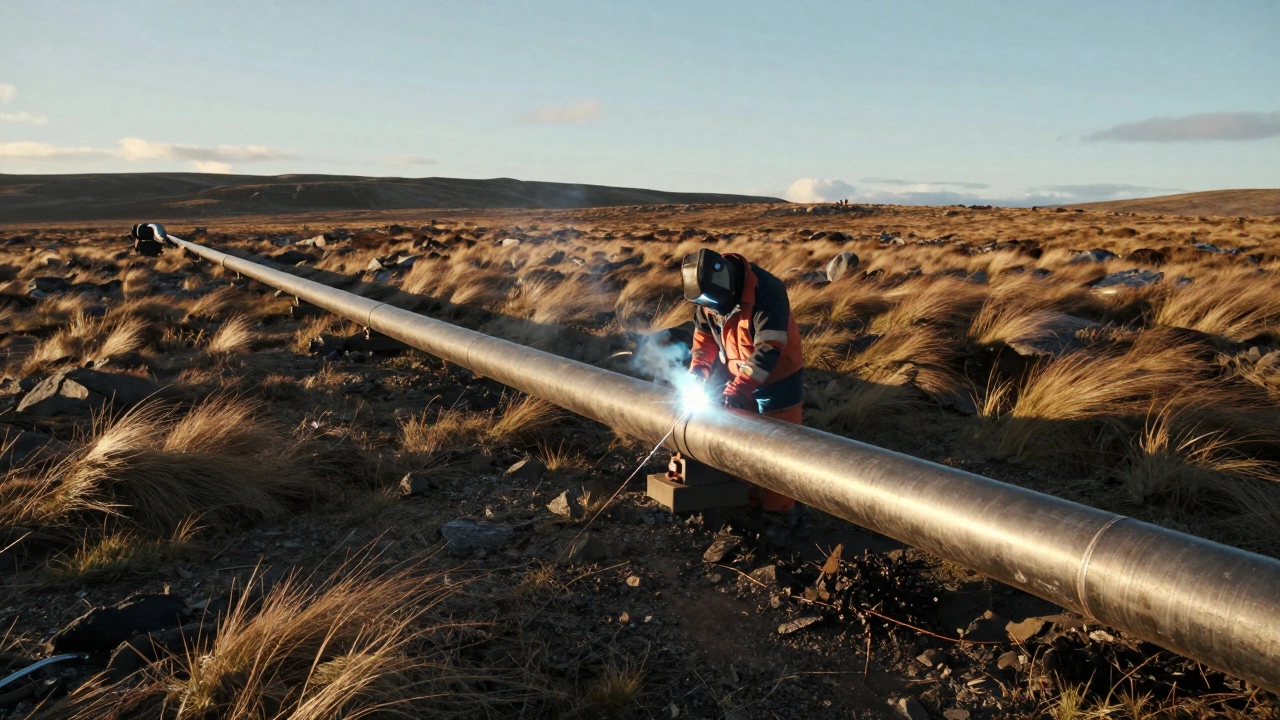
Pipeline welding follows closely behind. These welders connect the massive steel pipes that transport oil, gas, and water across continents. The work is often remote-think deserts, mountains, or tundra-and requires traveling extensively. Because the environment is harsh and the stakes are high (a leak can cause an environmental disaster), pay rates are steep.
In the UK, pipeline welders working on major infrastructure projects like HS2 or North Sea gas lines can command daily rates of £400-£600 when fully certified. This translates to an annual income well over £100,000 if you maintain consistent work.
Specialized Land-Based Processes: TIG and Orbital Welding
If the idea of diving or living in a tent appeals to you, don't worry. There are highly lucrative options on dry land. The key here is precision. The more delicate the material and the stricter the standards, the higher the pay.
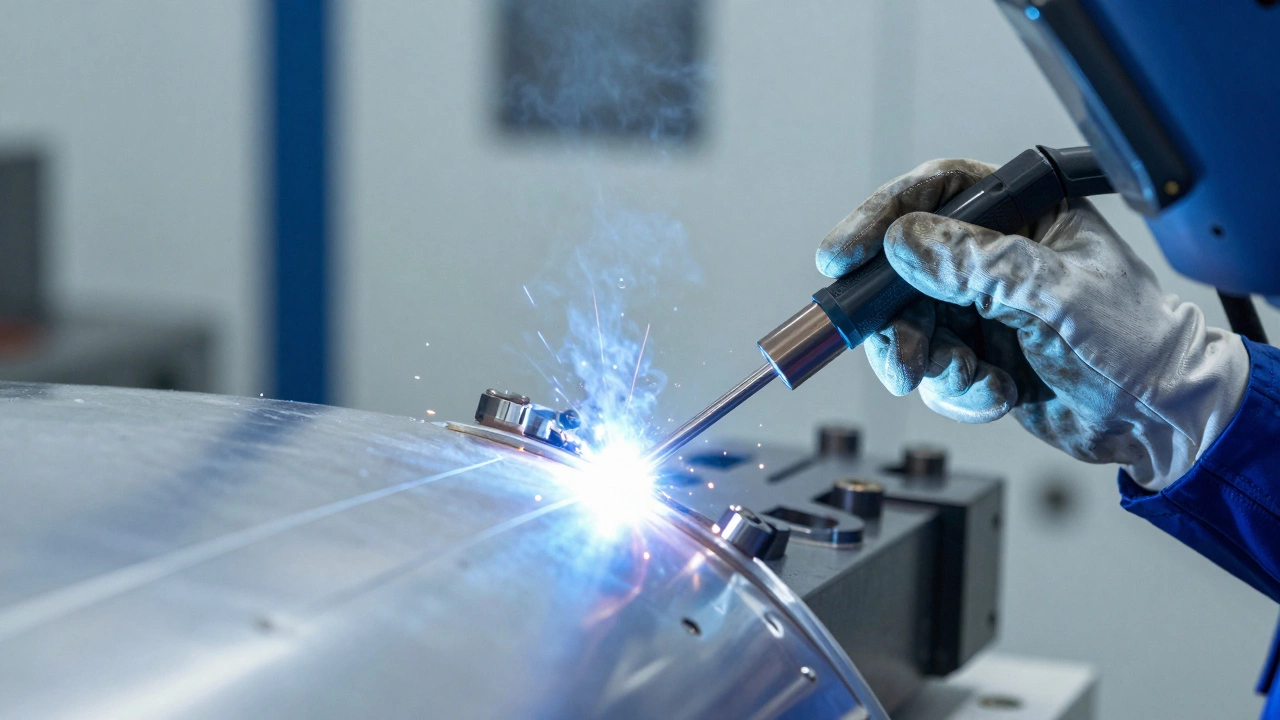
TIG welding is the gold standard for quality. Unlike MIG (Metal Inert Gas), which is faster but less precise, TIG allows for clean, strong welds on thin materials like aluminum, stainless steel, and titanium. Industries like aerospace, automotive racing, and medical manufacturing rely heavily on TIG welders.
Why does it pay more?
- Skill Floor: It has a steep learning curve. Many apprentices quit because controlling the filler rod and torch simultaneously feels impossible at first.
- Material Cost: You are often welding expensive alloys. A mistake costs thousands, so employers pay a premium for reliability.
- Certification: Aerospace-grade TIG welding requires AS9100 compliance and specific certifications that few welders hold.
In the UK, a skilled TIG welder working in aerospace (e.g., for Rolls-Royce or Airbus suppliers) can earn £40,000-£65,000. Freelance TIG welders specializing in custom motorcycle frames or artistic metalwork can charge hourly rates of £40-£70.
Then there is Orbital Welding. This is a niche within TIG where the welding head rotates automatically around the pipe, controlled by a computer. It is used in pharmaceutical and semiconductor industries where cleanliness is critical. No human hand touches the weld zone, eliminating contamination. Technicians who program and monitor these systems earn salaries comparable to engineers, often exceeding £50,000 in the UK with overtime.
Why Do Some Welders Earn More Than Others?
It’s not just about the machine you use. Several factors drive wage differences in the welding industry. Understanding these helps you choose the right path during your welding courses.
| Factor | Impact on Pay | Example |
|---|---|---|
| Certifications | High | AWS D3.6 (Underwater) or ASME Section IX codes increase earning potential by 20-50%. |
| Industry Sector | Very High | Oil & Gas pays significantly more than construction or automotive repair. |
| Location | Medium | Working in remote areas (North Sea, Middle East) offers hardship allowances. |
| Experience Level | High | Journeyman welders earn double apprentice wages after 3-5 years. |
| Union Membership | Medium-High | Unions like GMB or Unite negotiate better collective bargaining agreements. |
Certifications are king. In the UK, having CSWIP (Certification Scheme for Welding and Inspection Personnel) or BWFA (British Welding Federation) accreditations proves your competence. Employers in regulated industries like nuclear power or rail cannot hire uncertified staff, regardless of skill. These papers open doors to higher-paying contracts.
Industry matters more than technique. A MIG welder in an oil refinery makes more than a TIG welder in a local bike shop. The oil and gas sector has deeper pockets and stricter safety regulations, leading to higher budgets for labor. Similarly, the nuclear industry (e.g., Sellafield or Hinckley Point) offers excellent pay and benefits but requires extensive background checks and specialized radiation safety training.
Choosing the Right Welding Course for High Pay
If your goal is maximum income, your education strategy should reflect that. Don’t just sign up for a generic "Introduction to Welding" course. Look for programs that offer specific pathways.
For those interested in underwater welding, start with a commercial diving school accredited by IMCA. These programs are intensive and expensive (often £10,000+), but they include both diving and welding modules. Ensure the course covers wet welding and hyperbaric chamber welding.
For pipeline or structural welding, look for colleges offering City & Guilds or NVQ Level 2 and 3 qualifications in Welding Fabrication. Specifically, seek courses that prepare you for the 6G position test. The 6G test involves welding a pipe fixed at a 45-degree angle, requiring you to weld in all positions (flat, horizontal, vertical, overhead). Passing this test is a golden ticket for pipeline jobs.
For aerospace or precision work, prioritize institutions with partnerships with major manufacturers. Courses that include TIG welding on aluminum and stainless steel, along with inspection techniques (NDT - Non-Destructive Testing), are ideal. NDT certification alone can boost your salary, as it allows you to inspect welds rather than just making them.
The Reality Check: Hard Work and Health Risks
High pay comes with high costs. Before you commit, consider the lifestyle.
Physical Toll: Welding is hard on the body. Repetitive strain injuries, back problems, and eye damage are common. Underwater welders face additional risks like barotrauma and nitrogen narcosis. Pipeline welders often work in extreme heat or cold, carrying heavy equipment for long hours.
Job Instability: Oil and gas welding is cyclical. When oil prices drop, projects halt, and workers get laid off. Having savings and diverse skills (like being able to switch from pipeline to structural welding) is essential for financial stability.
Continuous Learning: Technology changes. Robotic welding is increasingly common in automotive and manufacturing. To stay in the high-pay bracket, you must adapt. Learning to operate robotic cells or programming automated welding systems is becoming a valuable secondary skill for traditional welders.
Next Steps for Aspiring High-Earning Welders
If you are serious about this path, start by assessing your tolerance for risk and travel. Do you want the adventure and money of underwater work, or the precision and stability of aerospace TIG welding?
Research accredited providers in your area. In the UK, check for centers approved by the British Welding Engineers Association (BWEA) or the Institute of Materials, Minerals and Mining (IMMM). Visit their facilities, ask about job placement rates, and see what equipment they use. Modern machines differ significantly from older models, and hands-on experience with current tech is vital.
Finally, network. Talk to current welders in your target industry. Ask them about their day-to-day reality, not just the paycheck. Their insights will help you make an informed decision that aligns with your long-term career goals.
Is underwater welding really the highest paying?
Yes, generally speaking. Due to the combination of commercial diving risks and specialized welding skills, underwater welders often earn the highest salaries in the industry. However, this comes with significant health risks and irregular work schedules.
How much do TIG welders earn in the UK?
Entry-level TIG welders in the UK typically start around £20,000-£25,000 per year. Experienced welders in specialized sectors like aerospace or medical device manufacturing can earn £40,000-£65,000 or more, especially with overtime.
Do I need a degree to become a high-paid welder?
No, a university degree is not required. Vocational qualifications like NVQs, City & Guilds, and specific industry certifications (such as AWS or CSWIP) are far more valuable. Practical experience and proven skill sets matter most to employers.
What is the 6G welding test?
The 6G test is a rigorous welding certification exam where candidates must weld a pipe fixed at a 45-degree angle. This requires proficiency in all welding positions (flat, horizontal, vertical, and overhead). Passing this test is highly regarded in pipeline and structural welding industries and leads to higher pay.
Are welding jobs safe?
Welding carries inherent risks including burns, fume inhalation, and eye damage. Specialized roles like underwater or confined-space welding have higher dangers. Proper personal protective equipment (PPE), ventilation, and adherence to safety protocols are critical. High-paying jobs often involve higher risk environments.


Write a comment