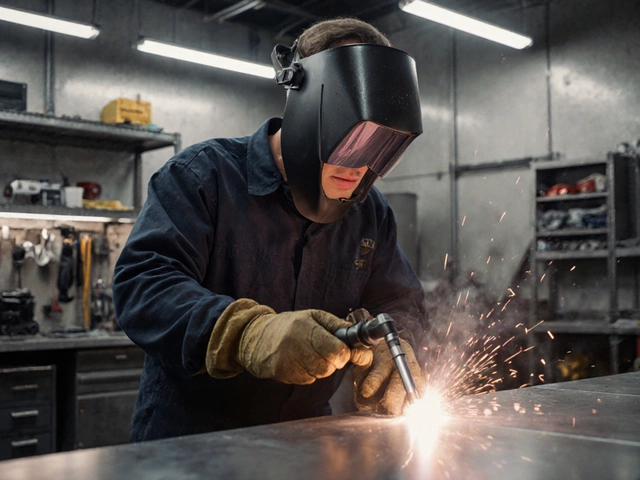
Welding Training Over 40: Real Paths to a New Career
When you're over 40 and thinking about a career change, welding, a skilled trade that joins metal parts using heat and pressure, widely used in construction, shipbuilding, and manufacturing might seem out of reach. But it’s not. Thousands of people over 40 in the UK are starting welding training every year—not as a hobby, but as a real path to steady work, good pay, and pride in what they build. You don’t need a degree. You don’t need to be young. You just need to be willing to learn with your hands.
vocational training, practical, job-focused education that prepares you for specific trades without classroom theory overload is built for people like you. Unlike university degrees that take years and leave you with debt, welding courses can get you certified in months. Many programs are designed for adults—offered in the evenings, on weekends, or as part-time apprenticeships. You’ll learn how to read blueprints, handle torches, spot weak joints, and pass safety checks—all skills you can master even if you’ve never held a welding mask before. This isn’t about starting from scratch; it’s about using your life experience to learn faster. People over 40 often bring discipline, problem-solving skills, and reliability—traits employers value more than youth.
Welding jobs are in short supply across the UK. Factories, wind farms, bridges, and pipelines all need skilled welders. The National Careers Service reports over 15,000 unfilled welding roles last year. And the demand isn’t fading—it’s growing. Older workers aren’t just filling gaps; they’re becoming mentors. Many training centers now have classes specifically for mature learners, with instructors who understand your pace and concerns. You’ll find that tools and gear have gotten easier to use, safety standards are stricter, and employers are eager to hire anyone who shows up ready to work.
Some worry about physical demands, but modern welding doesn’t mean lifting heavy beams all day. Most jobs involve controlled, precise work—often sitting or standing in one spot. If you can walk up stairs and hold a tool for an hour, you can do this. And if you’ve worked in construction, mechanics, or even the military, you’ve already got half the mindset you need.
What you’ll find below are real stories, clear guides, and honest advice from people who made the switch. Whether you’re wondering how much it costs, where to start, or if your age is a barrier, the posts here cut through the noise. No fluff. No myths. Just what works for adults building a second career in welding.