Cosmetology Doctorate: What It Really Means and How It Fits UK Beauty Training
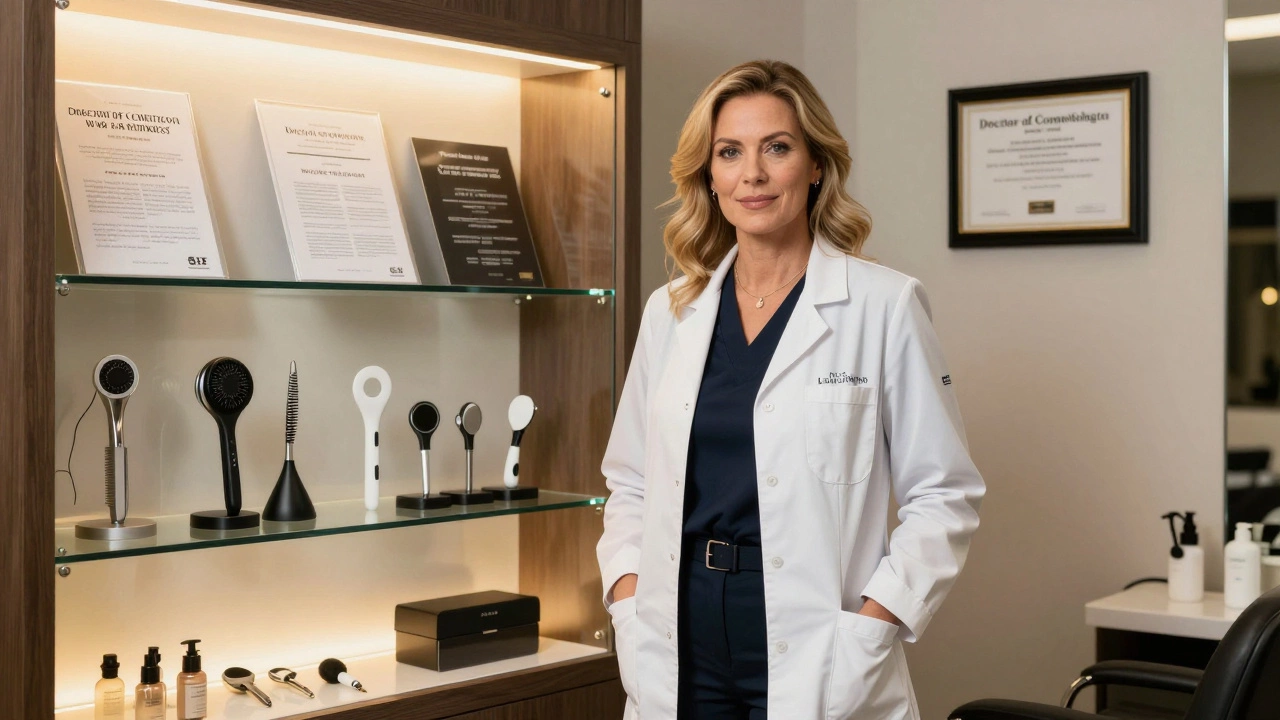
When people talk about a cosmetology doctorate, an advanced academic degree focused on skin, hair, and cosmetic science. Also known as Doctor of Cosmetology, it’s often confused with professional certifications like NVQs—but they’re not the same thing. In the UK, most beauty professionals don’t need a doctorate to work in salons, spas, or clinics. What they need is hands-on training, proven skills, and nationally recognized qualifications like NVQs, work-based qualifications that prove you can do the job, not just talk about it. A doctorate in cosmetology is rare here, usually pursued by researchers, university lecturers, or those developing new cosmetic products—not by stylists or estheticians looking to earn a living.
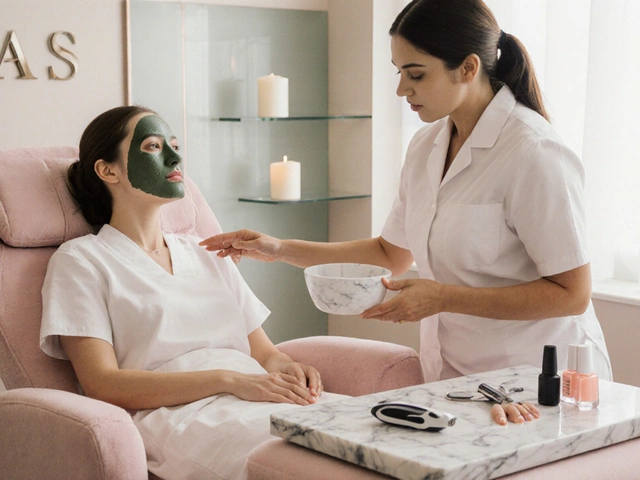
The beauty industry in the UK runs on practical skills, not academic titles. Most employers care about whether you can perform a facial, style hair, or apply lash extensions correctly—not whether you have a PhD. That’s why Level 1 Beauty Therapy, the entry-level qualification that teaches basic skin care, hygiene, and client interaction, and NVQ Level 3, the standard for qualified beauty therapists across the UK are what actually open doors. These qualifications are built around real work, assessed in real salons, and accepted by every major employer. A doctorate might sound impressive on paper, but it won’t help you get hired at a high street spa if you can’t demonstrate how to safely remove wax or apply makeup for different skin types.
So why does the idea of a cosmetology doctorate keep popping up? Mostly because of misleading marketing from overseas institutions or online courses that promise "elite" status. In the UK, if you want to advance beyond being a therapist, you don’t need a doctorate—you need experience, a strong portfolio, and maybe a teaching qualification if you want to train others. Some people go on to study cosmetic science at university, but that’s usually a BSc or MSc, not a doctorate. Even then, it’s for R&D roles, not client-facing work. The real value in beauty training isn’t in the title on your wall—it’s in the confidence you build in your hands, the clients you trust you with, and the skills you can prove day after day.
Below, you’ll find real guides from people who’ve walked the path—whether they started with a Level 1 course, earned their NVQ, or figured out how to teach themselves haircuts at home. You won’t find fluff about doctorates here. Just clear, practical advice on what actually works in UK beauty training today.