
Cosmetology Career Path Calculator
Calculate Your Progress to the Doctor of Cosmetology
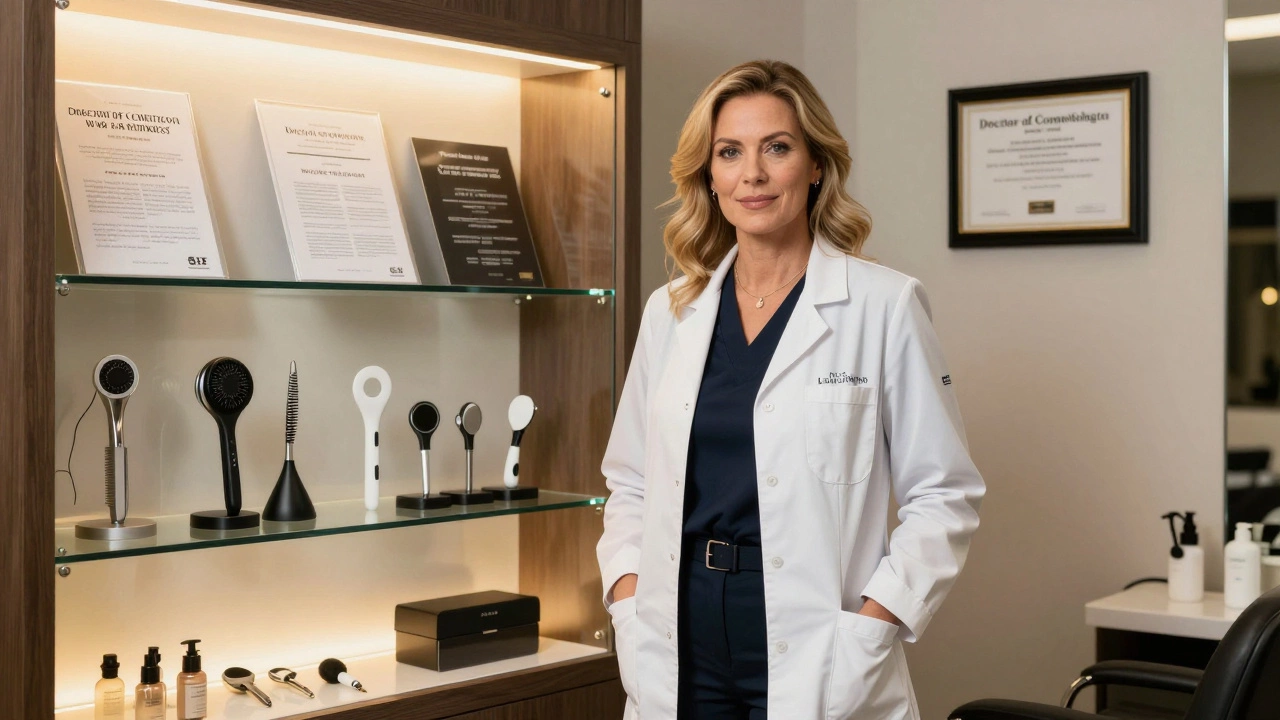
When people ask what the highest degree in cosmetology is, they’re often thinking about how far you can go in this field-beyond cutting hair or applying makeup. The truth is, cosmetology doesn’t work like traditional college degrees. You won’t find a Ph.D. in cosmetology at a university. But that doesn’t mean there’s no top level. In fact, the highest recognized credential in the field is the Doctor of Cosmetology, and it’s not just a title-it’s a real, earned credential with strict requirements.
There’s No Ph.D. in Cosmetology, But There Is a Doctorate
Many assume the highest degree in any field must be a Ph.D. That’s true in academia, but cosmetology is a licensed, hands-on profession. It’s regulated by state boards and professional associations, not universities. So instead of a Doctor of Philosophy, the top credential is the Doctor of Cosmetology (D.Cosmet. or D.C.), awarded by accredited institutions like the International Academy of Cosmetology and the National Association of Cosmetology Arts & Sciences.
This isn’t an honorary title. To earn it, you need more than years of experience. You need:
- At least 10 years of active, licensed practice in cosmetology
- A master’s-level credential in cosmetology or beauty therapy
- Completion of a 300-hour advanced doctoral curriculum covering salon management, skin pathology, chemical science, and ethics
- A published research paper or case study on a topic in advanced cosmetology
- Passing a proctored written and practical exam
Only about 1,200 people in the U.S. hold this credential as of 2025. It’s not common, but it’s the most advanced recognition you can get.
What Comes Before the Doctorate?
If the Doctor of Cosmetology is the peak, what’s the path to get there? Most people start with a state-licensed cosmetology license. That requires 1,000 to 1,600 hours of training, depending on your state. After that, you can move into specialized certifications.
Here’s the typical progression:
- State Cosmetology License - The baseline. Lets you work in salons, spas, or retail. Covers hair, skin, nails, and basic makeup.
- Advanced Certification in Hair Design - Focuses on color theory, cutting techniques, and texture management. Often requires 200-400 extra hours.
- Master Cosmetologist - A step above the license. Requires 3+ years of experience and passing a state or national advanced exam. Some states offer this as a formal designation.
- Master of Science in Cosmetology - Offered by a few institutions like the International Institute of Cosmetology. This is a two-year, post-secondary program covering biochemistry of hair, dermatology, business management, and advanced product formulation. You need your state license to enroll.
- Doctor of Cosmetology - The top tier. Only open to those with a master’s and significant professional experience.
Many people stop at the master’s level. That’s enough to teach at cosmetology schools, open a high-end salon, or become a brand educator for companies like L’Oréal or Redken.
Why Isn’t There a Ph.D. in Cosmetology?
You might wonder why universities don’t offer a Ph.D. in cosmetology. The answer is simple: cosmetology isn’t primarily a research field. It’s a service industry built on skill, technique, and client trust. While research exists-like studies on hair protein damage or chemical safety-it’s usually done by chemists, dermatologists, or material scientists, not cosmetologists.
That’s why the highest credential stays practical. The Doctor of Cosmetology doesn’t require you to write a dissertation on neural pathways in scalp stimulation. It requires you to show you can solve real-world problems: fixing damaged hair after bleach disasters, managing a multi-location salon, or training new stylists using evidence-based methods.
The field values doing over theorizing. That’s why top professionals don’t chase Ph.D.s-they chase mastery.
Who Actually Gets the Doctor of Cosmetology?
Most holders of this credential aren’t just stylists. They’re:
- Owners of multi-million-dollar salon chains
- Authors of textbooks used in cosmetology schools
- Trainers for major beauty brands
- Consultants for state licensing boards
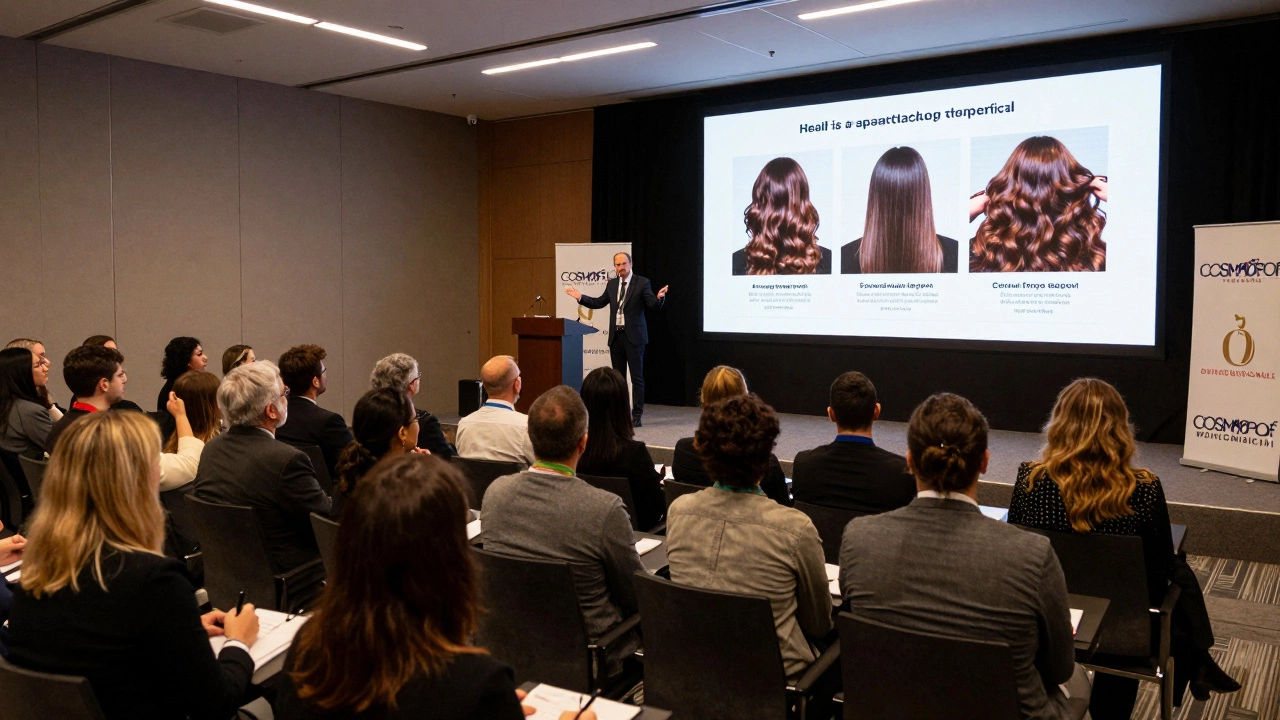
- Speakers at international beauty expos like Cosmoprof Worldwide
One example is Dr. Elena Rodriguez, who earned her Doctor of Cosmetology in 2022. She spent 14 years working in high-end salons in New York and LA, then created a new method for repairing chemically damaged hair using plant-based proteins. Her research was published in the Journal of Advanced Hair Science and is now part of the curriculum at 17 cosmetology schools.
Her doctorate didn’t make her richer overnight. But it gave her authority. Brands asked her to develop products. Schools invited her to teach. Clients came from three states just to book her for consultations.
Is the Doctor of Cosmetology Worth It?
It’s not for everyone. If you just want to cut hair and make people feel good, your state license is enough. If you want to teach, lead a team, or build a brand, the Master’s level will get you there.
But if you want to shape the future of the industry-to write standards, design new techniques, or influence policy-then the doctorate is the only credential that gives you that seat at the table.
It costs between $8,000 and $15,000 and takes 1-2 years to complete after you’ve already spent years working. It’s not a shortcut. It’s a commitment.
But for those who’ve spent decades mastering their craft, it’s the final badge of respect.
What About International Degrees?
In Europe, especially in the UK and Germany, the highest qualification is often a Level 7 Diploma in Advanced Beauty Therapy, which is equivalent to a master’s degree. Some institutions there offer postgraduate doctorates in aesthetics, but they’re usually tied to medical or dermatological science, not salon practice.
In the U.S., the Doctor of Cosmetology remains the only credential that’s specifically designed for salon professionals, not medical estheticians or dermatology technicians.
If you’re in the U.S. and aiming for the top, stick with the Doctor of Cosmetology. It’s the only one that’s recognized by the National Association of Cosmetology Arts & Sciences and accepted by state licensing boards.
How to Start on the Path
Here’s what to do if you want to reach the highest level:
- Get your state cosmetology license. No exceptions.
- Work full-time in a salon for at least 5 years. Focus on mastering multiple skills-not just hair, but skin, nails, and client consultation.
- Pursue a Master of Science in Cosmetology from an accredited school. Look for programs approved by the National Accrediting Commission of Cosmetology Arts & Sciences (NACCAS).
- Start publishing. Write blog posts, present at local trade shows, record tutorials. Build a portfolio of your work and teaching.
- Apply for the Doctor of Cosmetology program after 10 years of experience. Most programs require a letter of recommendation from a current doctorate holder.
The path isn’t fast. But if you’re serious about being more than a stylist-if you want to be a leader, a teacher, a pioneer-then it’s the only road that leads to the top.
Is a Doctor of Cosmetology the same as a Ph.D.?
No. A Ph.D. is a research-focused academic degree, usually earned in universities and centered on original scholarly work. The Doctor of Cosmetology is a professional doctorate designed for licensed practitioners. It focuses on applied expertise, leadership, and industry contribution-not theoretical research.
Can you get a doctorate in cosmetology online?
No. The Doctor of Cosmetology requires hands-on practical exams and in-person mentorship. Online courses can help with theory, but the final credential demands live demonstrations, client case reviews, and supervised practice. No accredited program offers it fully online.
Do you need a college degree to get a Doctor of Cosmetology?
Not a traditional college degree. But you do need a Master of Science in Cosmetology or an equivalent advanced credential. Most applicants have completed a two-year post-secondary program in cosmetology science, not a four-year university degree.
How much does a Doctor of Cosmetology earn?
Salaries vary. Most doctorate holders don’t work as regular stylists. They earn between $80,000 and $180,000 annually as educators, consultants, brand developers, or salon owners. Some top consultants earn more through speaking gigs and product royalties.
Is the Doctor of Cosmetology recognized outside the U.S.?
It’s respected internationally, especially in countries with strong salon industries like Canada, Australia, and Japan. But each country has its own top credential. In the UK, the Level 7 Diploma is the benchmark. In Europe, the European Federation of Cosmetology (FEC) recognizes the Doctor of Cosmetology as equivalent to a professional doctorate.


Write a comment