
Plumbing Career Path Estimator
Select your preferred entry path into the plumbing trade to see a breakdown of costs, timeline, and potential earnings.
Apprenticeship
Earn while you learn
NVQ Level 2 Course
Fast-track qualification
Apprenticeship Analysis
Recommended for School LeaversBest for those who want to earn money immediately without student debt. You gain practical experience from day one under supervision.
There is a common myth that plumbing is just turning a wrench and tightening a pipe. If you believe that, you are in for a shock. Is plumbing work easy? The short answer is no. It is physically demanding, mentally taxing, and requires a sharp eye for detail. But is it *hard* to learn? That depends on how you define hard.
If you are asking because you want to quit your office job and build something real with your hands, the barrier to entry is lower than you think. You do not need a university degree. You do not need to be a math genius. What you do need is grit, patience, and a willingness to get dirty. This guide breaks down what the trade actually looks like, why people love it, and why others quit within the first year.
The Physical Reality of the Job
Before we talk about tools or certificates, let’s talk about your body. Plumbing is not a desk job. Ever. Even if you spend half your day designing heating systems on a laptop, the other half involves crawling into crawl spaces, standing on ladders, and lifting heavy copper coils.
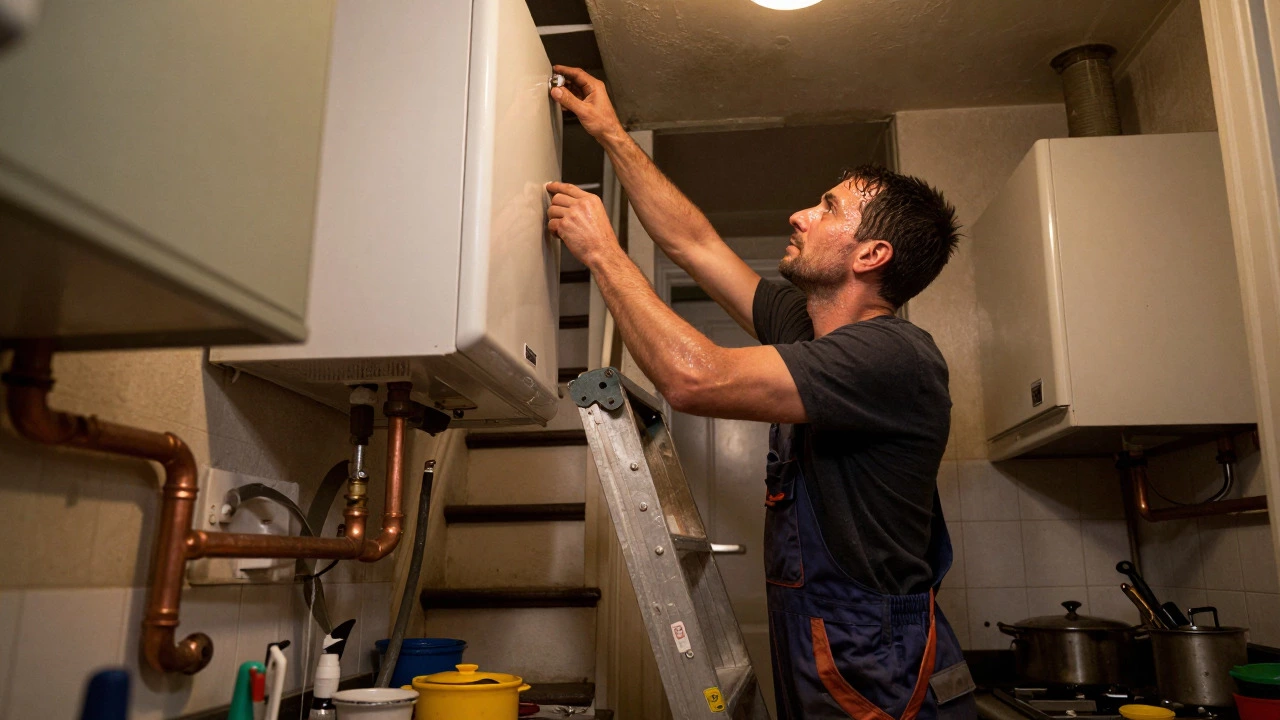
In Bristol, where many homes are Victorian terraces with narrow staircases and low ceilings, this challenge is amplified. Imagine fitting a new boiler in a kitchen that has no access panel, while balancing on a wobbly step ladder. Your shoulders will burn. Your back will ache. This is normal.
- Strength: You need functional strength to lift materials like water heaters (which can weigh over 100kg when full) and bundles of pipework.
- Flexibility: You will twist yourself into knots to reach valves behind sinks or under floorboards.
- Stamina: A typical shift involves constant movement. There is rarely a moment to sit down until the job is done.
If you hate physical activity, plumbing will feel impossible. If you enjoy being active but dislike the monotony of a gym, plumbing offers a varied workout every single day.
The Mental Challenge: It’s Not Just Pipes
Many beginners underestimate the brainpower required. Plumbing is applied physics and geometry. You need to understand pressure, gravity, flow rates, and temperature differentials. When a customer calls saying their shower is cold, you aren’t just guessing. You are diagnosing a system.
Consider a simple leak. Is it a loose joint? A cracked washer? Or is it corrosion from old galvanized steel pipes reacting with modern fittings? Each scenario requires a different solution. You must read technical diagrams, interpret building regulations, and calculate pipe sizes to ensure water flows efficiently without bursting the pipes due to high pressure.
This is where vocational training becomes critical. Self-taught plumbers often struggle with complex systems like underfloor heating or smart home integration. Formal education teaches you the "why" behind the "how."
What Do Plumbing Courses Actually Teach?
If you are serious about this career, you will likely start with an NVQ Level 2 in Plumbing. This is the gold standard in the UK. But what does it cover? It is not just theory. It is hands-on competency.
A typical course structure includes:
- Core Skills: Installing and maintaining pipework using various materials like copper, PVC, and PEX (cross-linked polyethylene).
- Heating Systems: Understanding combi boilers, system boilers, and heat pumps. With the UK pushing for green energy, knowledge of heat pumps is becoming essential.
- Regulations: Learning the Building Regulations Part G (Water Supply) and Part H (Drainage). Ignorance of these rules can lead to failed inspections and legal issues.
- Safety: Handling hazardous materials, working at heights, and electrical safety basics (since plumbers often work near electrics).
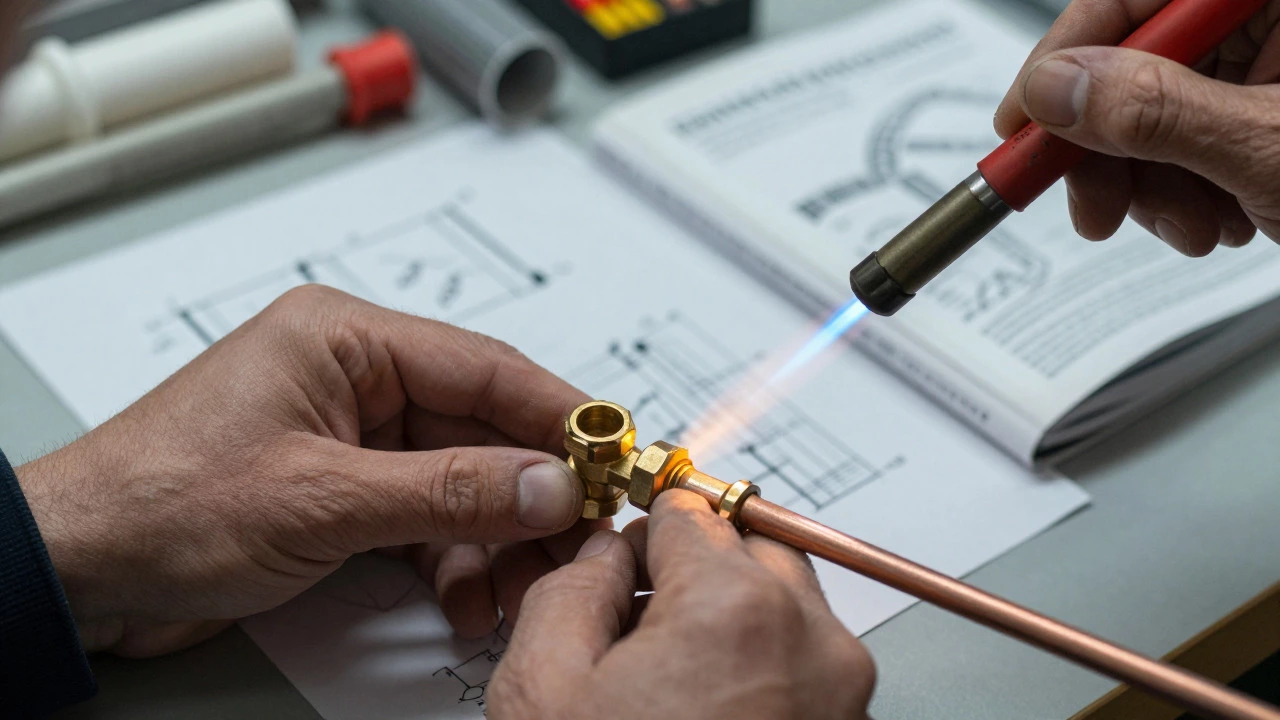
These courses are designed to be accessible. They assume you know nothing. Instructors walk you through soldering joints, pressing connections, and testing pressures. The difficulty lies in mastering the precision. A poorly soldered joint might hold for a week, then fail. Good plumbing lasts decades.
Why People Find It Difficult
So, where do most apprentices stumble? It usually comes down to three areas:
1. Attention to Detail
Plumbing forgives nothing. A tiny air bubble in a radiator can cause noise. A slightly misaligned pipe can stress a joint until it cracks. You need to be meticulous. If you are the type of person who rushes through tasks, you will spend twice as much time fixing mistakes.
2. Customer Interaction
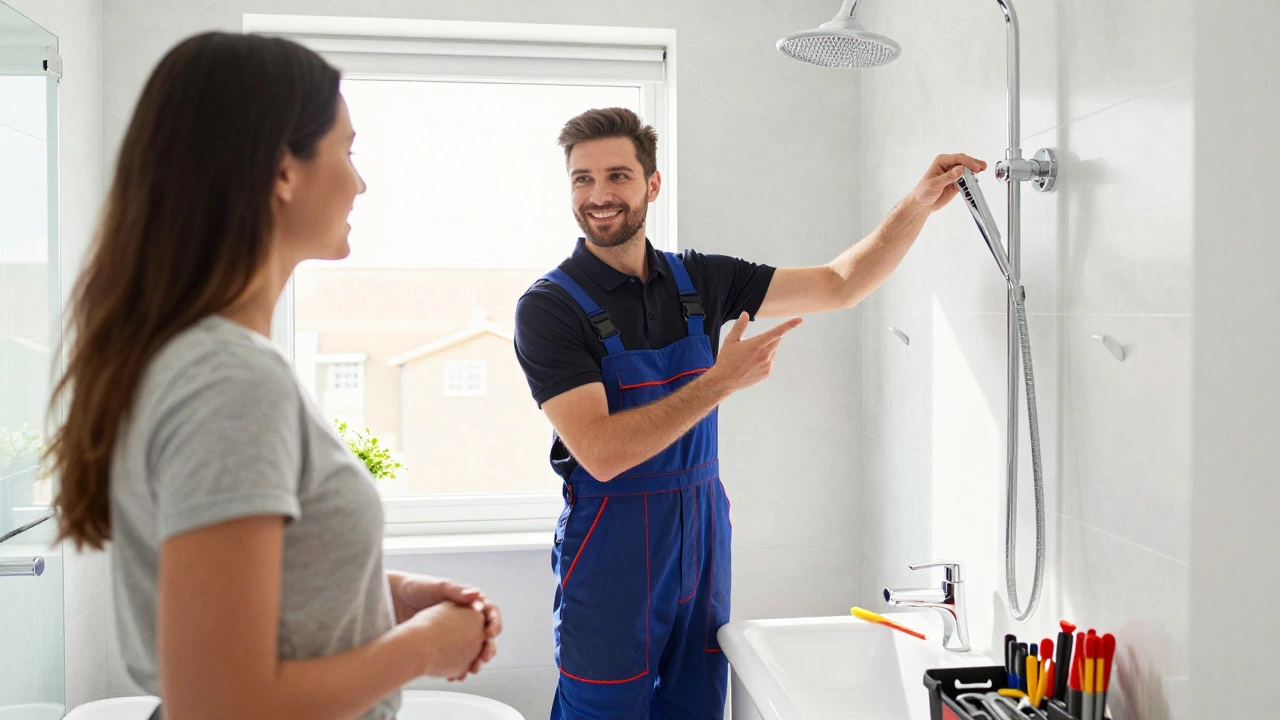
You are entering people’s homes. Often, they are stressed because they have no hot water or a flooded bathroom. You need emotional intelligence to calm them down, explain the problem clearly, and justify the cost. Bad communication skills can ruin a good technical repair.
3. Problem Solving Under Pressure
Imagine arriving at a house with a burst pipe at 7 AM on a Sunday. The homeowner is panicking. You have limited tools in your van. You need to diagnose the issue, source parts quickly, and fix it before the water damage spreads. This requires cool-headed decision-making.
The Rewards: Why It’s Worth It
If plumbing is so hard, why do people do it? Because it pays well, offers independence, and provides tangible results. At the end of the day, you can point to a functioning heating system and say, "I built that." There is a deep satisfaction in solving a puzzle that directly improves someone’s quality of life.
Financially, qualified plumbers in the UK can earn between £30,000 and £50,000+ depending on experience and location. Self-employed plumbers often earn significantly more, especially those who specialize in high-demand areas like gas fitting or renewable energy installations.
| Path | Time Commitment | Cost | Best For |
|---|---|---|---|
| Apprenticeship | 4-5 Years | Low (Employer Pays) | School leavers wanting to earn while learning |
| NVQ Level 2 Course | 6-12 Months | Medium (£2,000 - £5,000) | Career changers seeking quick qualification |
| Self-Taught + DIY | Indefinite | Variable | Hobbyists (Not recommended for professional work) |
Is It Too Late to Start?
A common question is whether age matters. The answer is no. I have seen 20-year-olds struggle with focus and 50-year-olds excel because of their life experience and discipline. Plumbing values reliability and honesty over youth. If you are mature enough to show up on time and treat customers with respect, you will succeed.
The key is to start with formal training. Don’t rely on YouTube videos. While helpful for tips, they cannot replace the structured learning of an NVQ course. Look for accredited providers in your area. Check if they offer work placement opportunities, as practical experience is invaluable.
Next Steps for Aspiring Plumbers
If you are convinced that plumbing is the right path for you, here is what you should do next:
- Research Local Colleges: Look for colleges offering NVQ Level 2 Plumbing courses. Ensure they are approved by relevant awarding bodies.
- Try a Taster Session: Many vocational centers offer one-day workshops. Use this to see if you enjoy the hands-on aspect.
- Network: Talk to local plumbers. Ask them about their daily challenges. Their insights will give you a realistic view of the industry.
- Prepare Physically: Start exercising. Focus on core strength and flexibility. Your body is your primary tool.
Plumbing is not easy, but it is achievable. It requires dedication, continuous learning, and a strong work ethic. But for those who stick with it, the rewards-both financial and personal-are substantial.
Do I need to be good at math to become a plumber?
You do not need advanced calculus, but you do need basic arithmetic and geometry. You will calculate pipe lengths, angles for bends, and pressure drops. Most plumbing courses teach the specific math skills you need, so don’t worry if you struggled in school.
How long does it take to qualify as a plumber in the UK?
An NVQ Level 2 course typically takes 6 to 12 months to complete. However, to become fully competent and potentially register with bodies like Gas Safe (for gas work), you may need additional specialized training and experience, which can add another 1-2 years.
Can I learn plumbing online?
Online courses can teach theory, such as building regulations and system design. However, plumbing is a hands-on trade. You cannot learn to solder or press pipes purely online. Look for blended learning options that combine online theory with practical workshops.
Is plumbing a safe career?
Plumbing has risks, including burns, cuts, and falls. However, strict health and safety protocols minimize these dangers. Proper training emphasizes safety equipment usage, correct lifting techniques, and hazard identification. Compared to many construction jobs, plumbing is relatively safe when best practices are followed.
What is the difference between a plumber and a gas fitter?
A general plumber works with water supply and drainage systems. A gas fitter specializes in installing and repairing gas appliances like boilers and cookers. Gas fitting requires additional certification (Gas Safe Register) due to the higher risk of explosion and carbon monoxide poisoning. Many plumbers cross-train to become dual-skilled.

Write a comment