
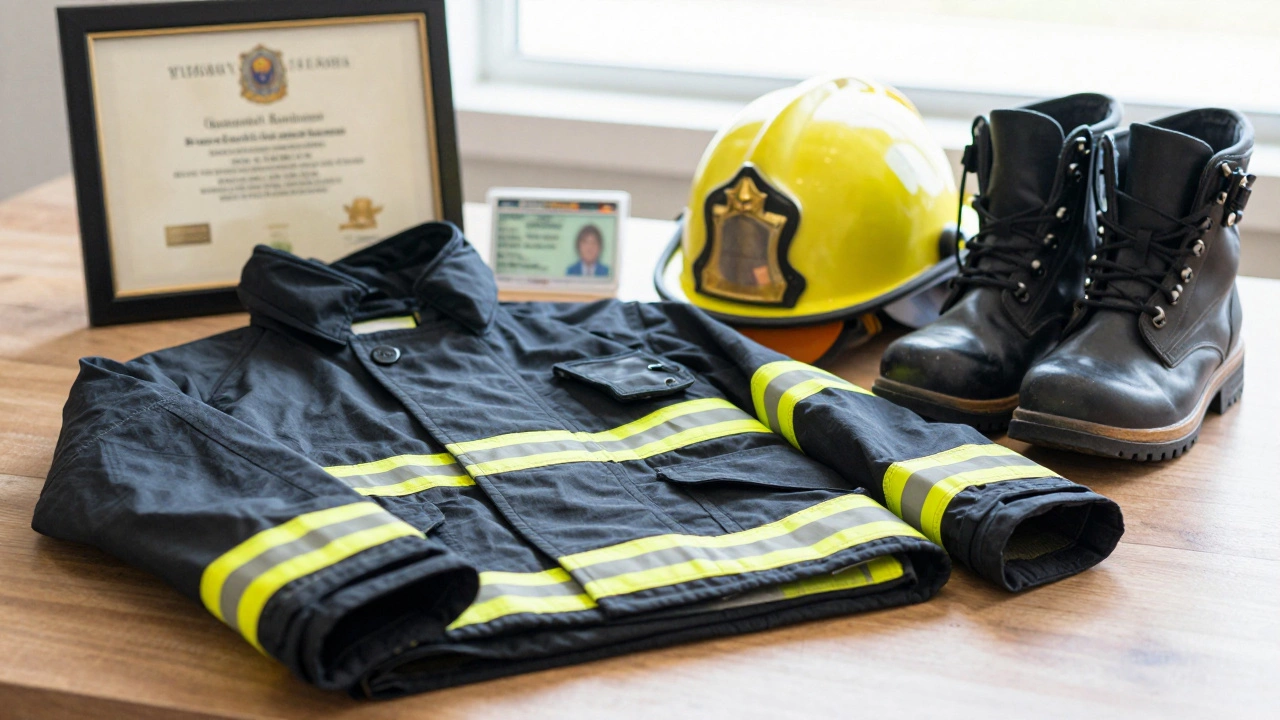
Virginia Firefighter Readiness Checker
Check the boxes below to see how close you are to meeting the foundational requirements for the Old Dominion's fire services.
Foundational Requirements
Physical & Medical Readiness
Competitive Edge (Bonus)
Thinking about fighting fires in the Old Dominion? It's a high-stakes job that requires more than just a desire to help people. Whether you're looking at a full-time career with a city department or wanting to serve your neighbors as a volunteer, the path is governed by specific state standards. You aren't just signing up for a job; you're entering a highly regulated profession where certifications can mean the difference between a successful rescue and a tragedy.
Quick Takeaways
- Minimum age is typically 18, though some departments allow 17 with parental consent.
- A high school diploma or GED is the baseline educational requirement.
- Medical and physical fitness tests are non-negotiable.
- Certification through the firefighter requirements Virginia standards usually involves a state-approved academy.
- Clean criminal records and valid driver's licenses are mandatory.
The Basic Entry Requirements
Before you even look at a training manual, you need to meet the foundational criteria. Most departments in Virginia won't even look at your application if you don't have these boxes checked. First, you need a high school diploma or a GED. While some advanced roles might ask for an Associate's degree in Fire Science, the entry-level door opens with a basic secondary education.
Age is another factor. You generally need to be 18 years old. However, because Virginia has such a strong culture of volunteerism, some rural departments let teenagers start as "junior firefighters" or trainees at 16 or 17 to get a feel for the gear and the grit. You also need a valid driver's license. You won't be driving the big rig on day one, but you need to prove you can operate a vehicle safely and legally.
Then there's the legal side. Most departments require a background check. While a minor traffic ticket from five years ago won't disqualify you, felony convictions-especially those involving violence or theft-are usually deal-breakers. You're being trusted with the keys to people's homes and the safety of their lives; integrity is the primary currency here.
Physical and Medical Readiness
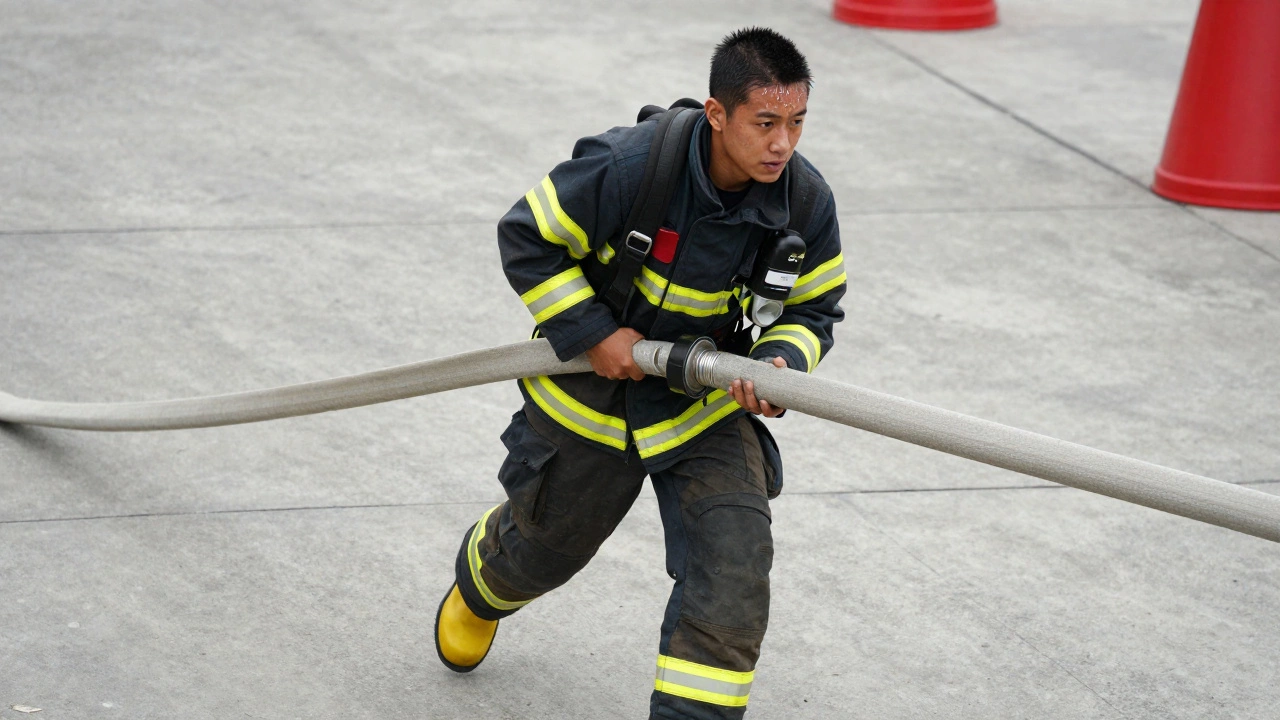
Firefighting is one of the most physically demanding jobs on the planet. You'll be carrying 50 to 75 pounds of gear while climbing ladders or dragging a 200-pound unconscious person out of a smoke-filled room. Because of this, you'll face a Candidate Physical Ability Test (CPAT) or a department-specific physical agility test.
Expect to be tested on things like stair climbs, hose drags, and equipment carries. If you can't maintain a steady pace while wearing a weighted vest, you won't make it through the academy. It's not about being a bodybuilder; it's about functional strength and cardiovascular endurance. You need lungs that can handle the stress of a SCBA (Self-Contained Breathing Apparatus) and a heart that won't quit when the heat rises.
Medical screenings are just as critical. You'll likely undergo a full physical, including vision and hearing tests. You need to be able to hear a teammate's shout over the roar of a fire and see through a haze of smoke. Many departments also require a drug screen. In a profession where safety is paramount, being under the influence is a zero-tolerance offense.
Navigating the Certification Process
In Virginia, the gold standard for training is managed through the Virginia Department of Fire Programs (VDFP). The VDFP is the state agency responsible for overseeing the certification and training standards for all firefighters in the Commonwealth. They ensure that a firefighter in Fairfax is trained to the same basic safety standards as one in Roanoke.
To get certified, you'll usually go through a program that meets NFPA 1001 standards. The NFPA, or National Fire Protection Association, sets the global benchmarks for fire safety and firefighter professional qualifications. The "Firefighter I" certification is your entry ticket. It covers the basics: ventilation, search and rescue, and nozzle operation.
If you want to move up, you'll pursue "Firefighter II" certification. This level is less about how to swing a tool and more about how to lead a crew and manage a scene. Many aspiring pros will also get their EMT (Emergency Medical Technician) certification. Why? Because in the modern fire service, a huge percentage of calls are actually medical emergencies, not fires. Being a "dual-certified" firefighter makes you significantly more employable.
Comparing Training Paths
Depending on your goals, you'll choose one of two main paths. Career firefighters are paid employees who usually live at the station. Volunteer firefighters are community members who respond to calls while holding other jobs. The requirements overlap, but the training pipeline differs.
| Requirement | Career Firefighter | Volunteer Firefighter | |
|---|---|---|---|
| Education | HS Diploma (Degree Preferred) | HS Diploma or GED | |
| Training | Full-time paid academy | Part-time / Modular training | |
| Medical | Strict pre-employment physical | Basic health screening | |
| Pay | Salary + Benefits | Unpaid / Stipend based | |
| Certification | ProBoard / IFSAC accredited | VDFP State Certification |
The Fire Academy Experience
Getting into an academy is the hardest part; surviving it is the real challenge. A typical Virginia fire academy is a grueling mix of classroom theory and "pit" training. You'll spend mornings learning about fire chemistry-how fuel, oxygen, and heat create the fire triangle-and afternoons drenched in sweat, practicing hose deployments.
You'll learn how to "mask up" in under a minute, how to use a Halligan tool to force a door, and how to read smoke patterns to predict a flashover. Flashover is that terrifying moment when every surface in a room reaches its ignition temperature and the whole place erupts. Learning to spot the signs is what keeps you alive.
Beyond the technical skills, the academy is a psychological test. Instructors will push you to your limit to see if you'll panic when things go wrong. They aren't being mean for the sake of it; they're simulating the stress of a real emergency. If you can't follow a direct order while exhausted and covered in soot, you're a liability on a fire ground.
Continuing Education and Specializations
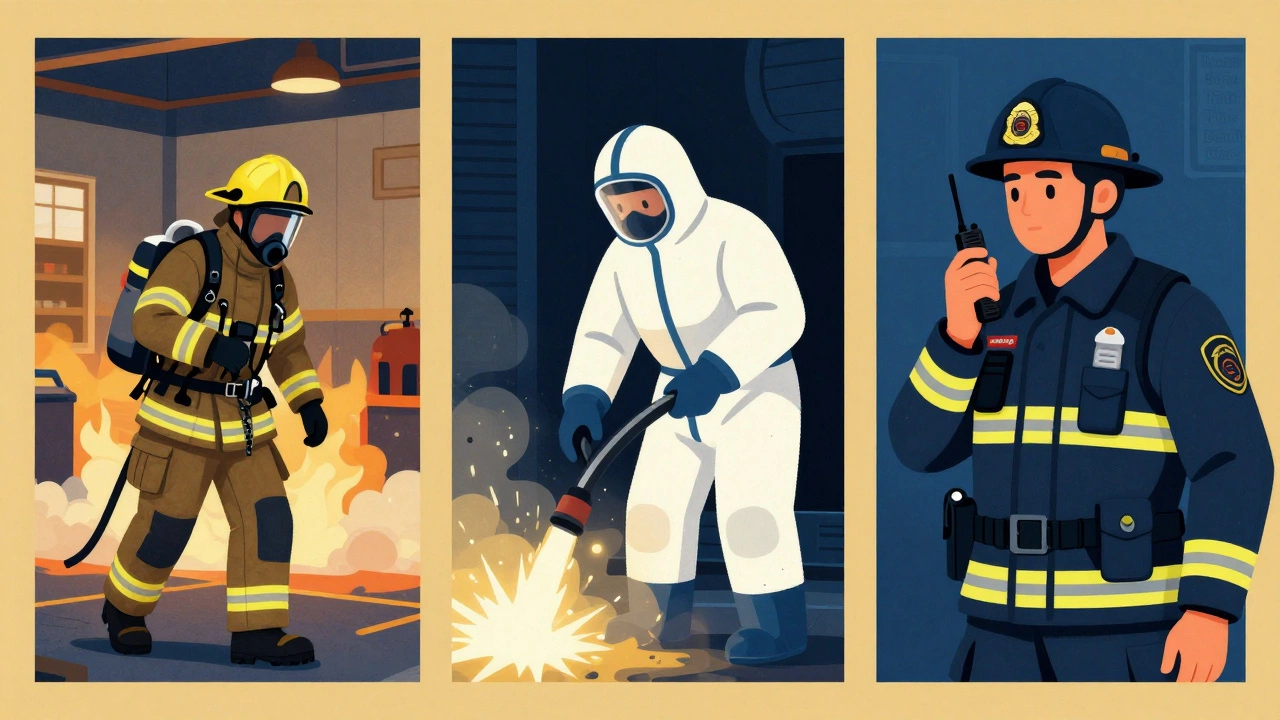
Once you have your initial certifications, the learning doesn't stop. Firefighting is a lifelong study. You'll likely move into specialized teams based on your interests and the needs of your department. Some firefighters specialize in HazMat (Hazardous Materials) response, learning how to contain chemical spills or gas leaks.
Others might go into Technical Rescue, which involves extracting people from crashed cars (extrication) or rescuing hikers from cliffs. If you're interested in the air, you might train for wildland firefighting, which is a different beast entirely, focusing on containment lines and controlled burns in Virginia's forested regions.
Many veteran firefighters eventually pursue Fire Officer certifications. This shifts the focus to administration, personnel management, and incident command. You stop being the one holding the hose and start being the one coordinating the entire operation from the command post.
Frequently Asked Questions
Do I need a college degree to be a firefighter in Virginia?
No, a high school diploma or GED is the minimum requirement for most departments. However, having a degree in Fire Science or Emergency Management can give you a competitive edge during the hiring process and may help you move into leadership roles faster.
Can I become a volunteer firefighter if I don't live in that specific town?
Generally, yes, as long as you live within a reasonable commuting distance. Many volunteer departments welcome anyone willing to put in the work, regardless of their specific home address, provided they can respond to calls in a timely manner.
How long does the fire academy take?
It varies by program. Career academies are often intensive full-time programs lasting 3 to 6 months. Volunteer modular training may take a year or more, as classes are scheduled around the students' other jobs.
Is an EMT certification required?
It's not always a strict requirement for entry, but it is highly encouraged. Many departments will actually pay for you to get your EMT certification after you're hired because the majority of emergency calls are medical in nature.
What happens if I fail the physical test?
Most departments will not allow you to enter the academy if you fail the initial physical. However, they will often tell you exactly where you fell short, allowing you to train and re-apply during the next hiring cycle.
Next Steps and Tips
If you're serious about this path, don't wait for a job posting to start training. Start a rigorous fitness routine focusing on strength and cardio. Join a local gym and start doing weighted step-ups and sprints. This isn't just about passing the test; it's about preventing injuries once you're in the heat of the job.
Reach out to your local fire station. Most captains are happy to give a prospective recruit a tour or explain how their specific department operates. Ask about the local training requirements and if they have any "explorer" programs for young adults. Getting your foot in the door through a volunteer position is often the fastest way to a paid career.
Finally, keep your record clean. Avoid any legal trouble and keep your driving record spotless. The vetting process is thorough, and the fire service is a small world. Your reputation starts long before you put on the helmet.



Write a comment