
Hobby Welder Matchmaker
Answer these quick questions to find out which welding process and machine type fits your needs best.
Budget Selected: £250
Recommendation Title
Process Type
Why this fits you:
Estimated Cost:
£0 - £0
Essential Extras:
List of accessories
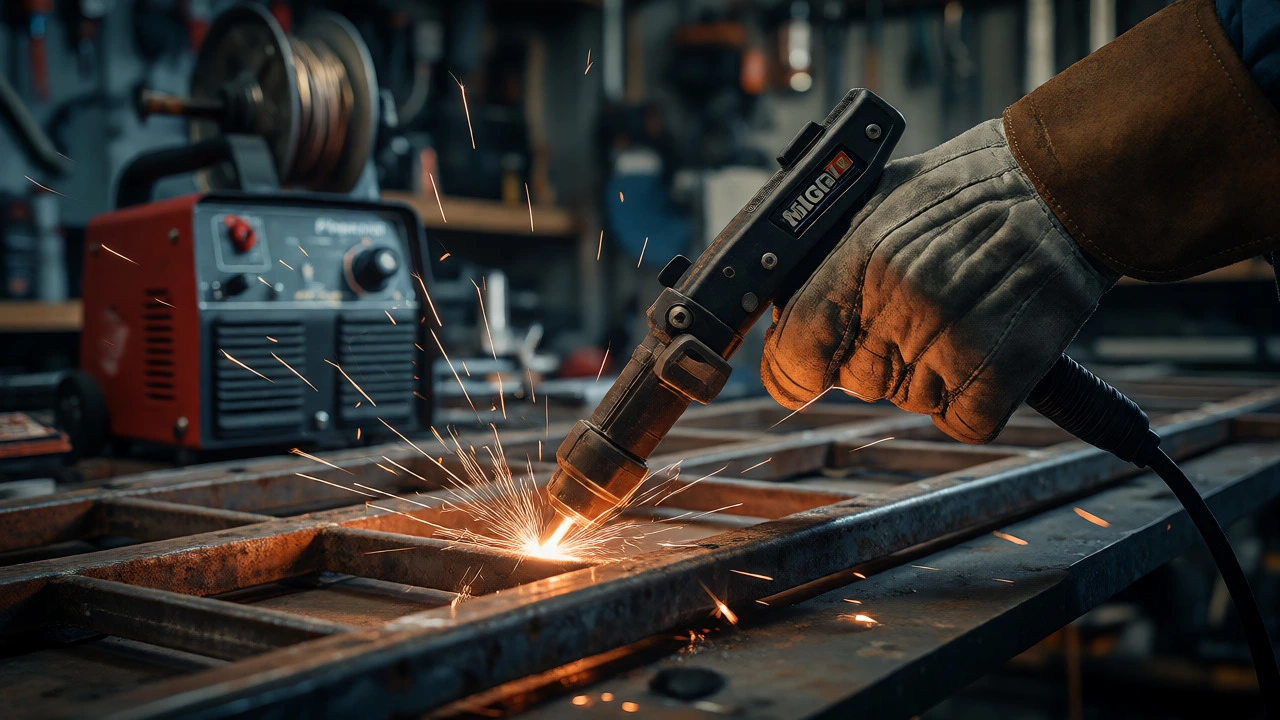
You just watched a video of someone fusing two pieces of steel with a spark shower that looks like fireworks. You want to do that. Maybe you want to fix your garden gate, build a custom shelf, or finally tackle that rusty exhaust pipe on your old car. But then you look at the prices. Professional rigs cost more than your first car. The terminology-MIG, TIG, Stick, flux-core-sounds like alphabet soup. And the reviews are conflicting: one says buy this, another says it will melt if you look at it wrong.
Here is the truth: you don't need a £2,000 machine to start welding. You need the right tool for the job you actually plan to do. Most people who ask "what's a good hobby welder?" are looking for versatility without breaking the bank. They want something that works out of the box, doesn't require a degree in electrical engineering to set up, and can handle both thin sheet metal and thicker structural steel. Let’s cut through the noise and find the machine that fits your garage and your budget.
What Makes a Welder "Good" for a Hobbyist?
A professional welder cares about duty cycle (how long it runs before overheating) and arc stability under industrial conditions. A hobbyist cares about ease of use, portability, and forgiving nature. If you mess up the settings, a pro machine might spit or stick; a good hobby machine should still give you a usable bead.
The core metric you need to understand is duty cycle. This isn't just marketing fluff. It tells you how many minutes out of ten you can weld continuously at maximum power before the machine needs to cool down. For home projects, you rarely need more than 3-5 minutes of continuous welding. You spend more time grinding, measuring, and clamping than you do actually striking an arc. So, a machine with a 60% duty cycle at 140 amps is plenty for weekend warrior tasks.
Another critical factor is power source compatibility. In the UK, most homes have standard 230V outlets. Some heavy-duty machines require 400V three-phase power, which you likely don’t have unless you live in a converted warehouse. Always check the plug. If it needs a special socket, you’re adding cost and hassle before you’ve even started.
MIG vs. TIG vs. Stick: Which Process Fits Your Projects?
This is the biggest decision you’ll make. There is no single "best" process because each excels at different things. Think of them as tools in a toolbox: you wouldn’t use a screwdriver to hammer a nail.
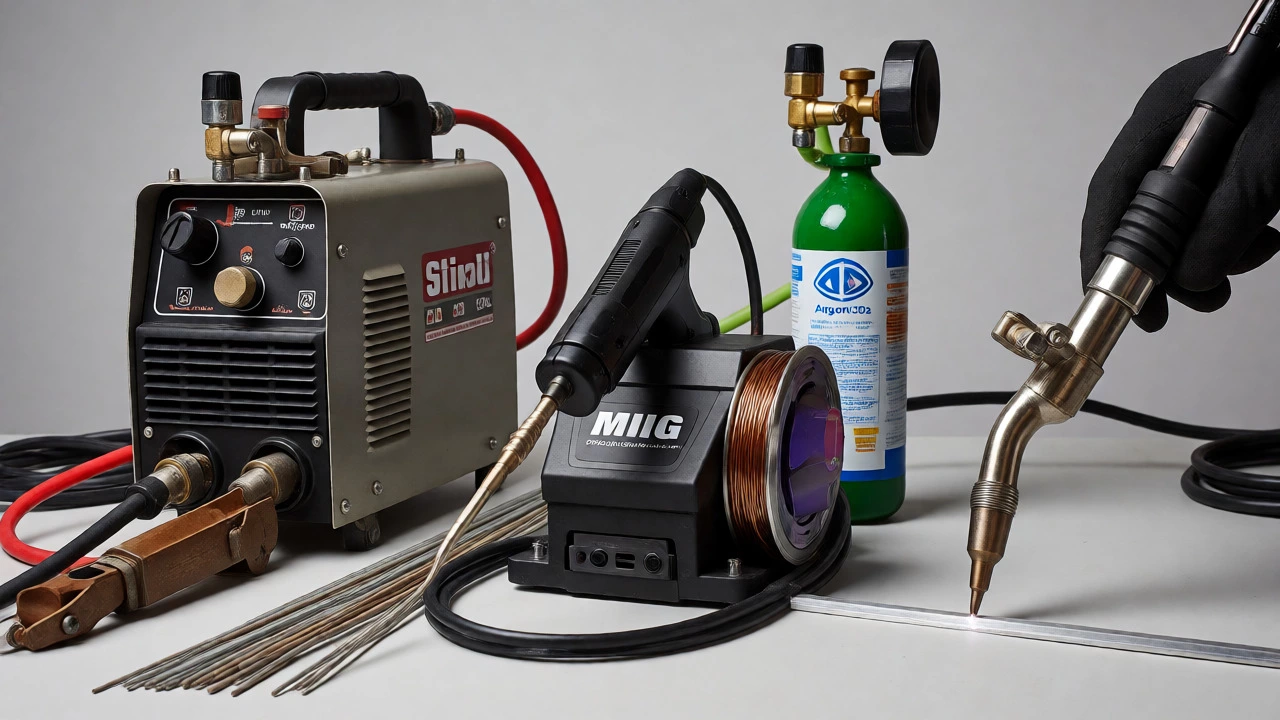
MIG Welding (Metal Inert Gas) is the go-to for beginners. It uses a wire feed gun that acts like a glue gun for metal. You pull the trigger, and the machine feeds wire while shielding gas protects the weld from air contamination. It’s fast, easy to learn, and great for auto body work and light fabrication. However, it requires buying gas cylinders (usually Argon/CO2 mix), which adds ongoing cost and logistics.
TIG Welding (Tungsten Inert Gas) is the precision artist. You hold a tungsten electrode in one hand and feed filler rod with the other. It produces beautiful, clean welds on aluminum, stainless, and thin steel. But it has a steep learning curve. Your hands must be steady, and coordination takes months to master. If you want to weld bicycle frames or intricate art, this is your path.
Stick Welding (Shielded Metal Arc Welding) is the rugged outdoorsman. It uses consumable electrodes coated in flux. No gas needed. It works in wind, rain, and on dirty, rusty metal. It’s messy and spatters everywhere, but it’s incredibly cheap to run and perfect for farm repairs, fences, and thick structural steel.
| Feature | MIG (Wire Feed) | TIG (Precision) | Stick (Arc) |
|---|---|---|---|
| Learning Curve | Low (Days) | High (Months/Years) | Medium (Weeks) |
| Best For | Cars, Sheet Metal, General Fabrication | Aluminum, Stainless, Art, Thin Steel | Rusty Steel, Outdoor Repairs, Thick Beams |
| Running Cost | Medium (Gas + Wire) | Medium-High (Gas + Tungsten) | Low (Electrodes only) |
| Portability | Bulky (Needs Gas Bottle) | Bulky (Needs Gas Bottle) | Very Portable |
The Rise of Flux-Core Welders: The Budget Hero
If you hate the idea of renting gas bottles or lugging them around, look at Flux-Core Welding. This is a type of MIG welding that uses a tubular wire filled with flux instead of solid wire. The flux generates its own shielding gas when burned, so you don’t need an external tank.
This makes flux-core machines cheaper to operate and much more portable. You can take a small flux-core welder to a remote cabin or a friend’s driveway without worrying about running out of argon. The downside? The welds aren’t as pretty as gas-shielded MIG. There’s slag (a crusty residue) you have to chip off, and the arc is a bit rougher. But for fixing gates, trailers, and furniture, nobody cares about aesthetics-they care about strength.
Many modern "multi-process" welders allow you to switch between gas MIG and flux-core by simply changing the polarity of the torch cable. This flexibility is gold for a hobbyist. You get one machine that covers 80% of common household jobs.
Top Recommendations for Different Needs
Let’s get specific. Since we are talking about hobbyists, we are looking at entry-level to mid-range machines available in the UK market as of late 2026. Prices fluctuate, but these categories remain stable.
The All-Rounder: Multi-Process Inverter Welders
If you want one machine to rule them all, look for a multi-process inverter. These compact units can handle MIG, Lift TIG, and Stick. Brands like Sherpa, Clarke, and Sealey dominate this space in the UK.
For example, a Clarke MMA/MIG/TIG combo unit costing around £300-£400 gives you incredible versatility. You can practice stick welding on scrap rebar today, try MIG on a car panel tomorrow, and dabble in TIG next month. Just remember: you will need to buy separate kits for gas MIG and TIG (torch, regulator, hoses). Budget an extra £100 for those accessories.
The Beginner’s Choice: Dedicated Flux-Core MIG
If you know you mostly want to weld steel for repairs and don’t care about aluminum, skip the multi-process complexity. Get a dedicated flux-core MIG welder. Machines like the Clarke MIG175 or similar models from Draper are workhorses. They are simple: load wire, turn knob, weld. No gas bills. No complex setup. You can be welding within 20 minutes of unboxing. Expect to pay £150-£250. This is the highest value-for-money option for pure utility.
The Precision Seeker: Entry-Level AC/DC TIG
If you dream of welding aluminum bike frames or making jewelry-grade joints, you need TIG. But avoid DC-only machines if you want to weld aluminum. Aluminum oxidizes instantly, and you need the AC frequency to break that oxide layer. Look for a basic AC/DC TIG machine with pulse control. Brands like Everlast (often imported) or higher-end UK brands like Powertig offer decent entry points. These start around £500+. It’s a significant jump, but necessary for quality aluminum work.
Essential Accessories You Can’t Ignore
The welder is only half the battle. Many beginners burn through their budget forgetting safety gear and consumables. Here is what you actually need:
- Auto-Darkening Helmet: Do not buy the cheapest fixed-shade helmet. You will waste hours trying to see the puddle. An auto-darkening filter (ADF) with a large viewing area lets you position your torch before the arc starts. Look for one with variable shade settings (9-13).
- Leather Gloves: Not gardening gloves. You need gauntlet-style leather gloves that cover your forearms. Sparks bounce off, and molten slag sticks to cotton. Buy them big enough to wear over sleeves.
- Angle Grinder: You cannot weld dirty metal. You need an angle grinder with flap discs to grind away rust, paint, and mill scale until the metal shines silver. This step determines 90% of your weld quality.
- Clamps: Magnetic squares and C-clamps hold pieces together. Welding pulls metal as it cools; if it moves, the weld cracks.
Common Pitfalls for New Welders
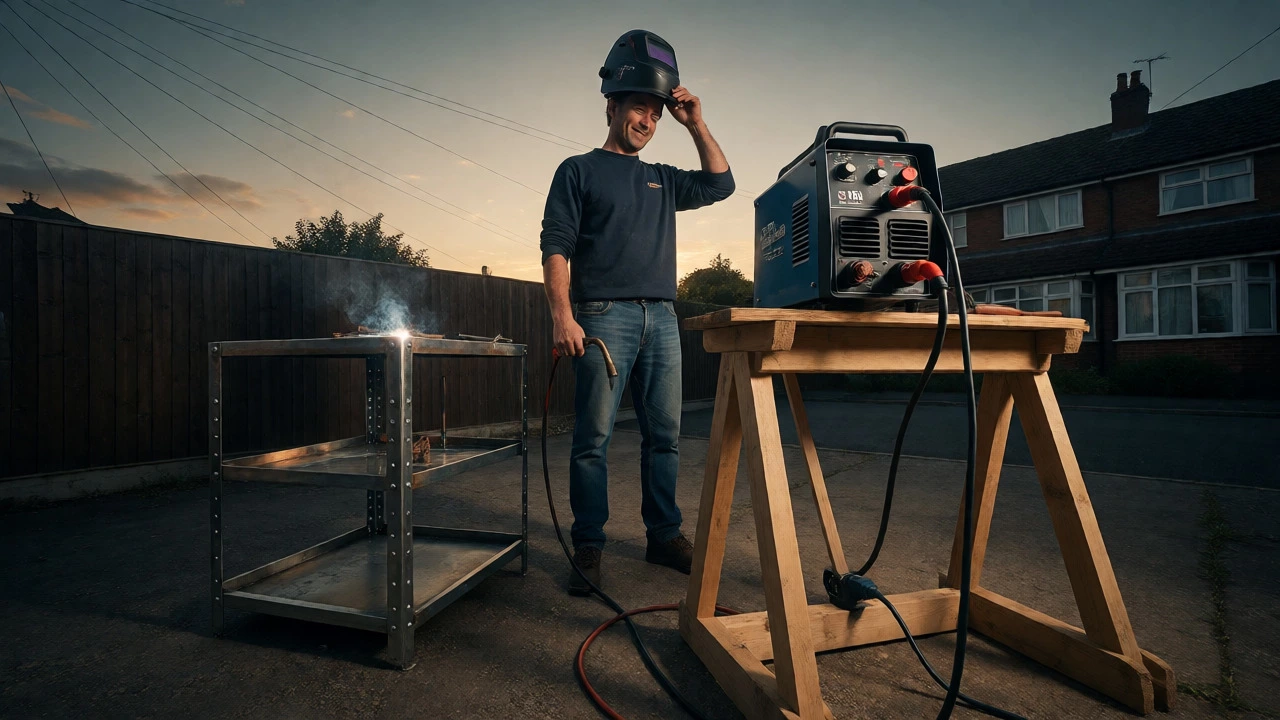
I see the same mistakes every week in local workshops. First, they buy a machine rated for 10mm steel but try to weld 1mm sheet metal. It burns through immediately. Check the minimum thickness rating. Second, they ignore ventilation. Welding fumes contain manganese and hexavalent chromium (if welding stainless). Open your garage door. Better yet, get a fume extractor fan. Third, they rush the prep. Grinding takes longer than welding. Accept it.
Also, beware of "duty cycle" lies. Cheap Amazon specials often claim 60% duty cycle at max amperage, but in reality, they trip out after 2 minutes. Read user reviews specifically mentioning "overheating." If possible, buy from a supplier with a good return policy so you can test it on your own scrap pile.
Final Verdict: What Should You Buy?
If you are completely new and want to fix general things around the house, buy a flux-core MIG welder. It’s cheap, easy, and effective. If you want to grow into automotive work or fine fabrication, invest in a multi-process inverter and start with stick welding to build confidence, then move to gas MIG. If you are artistic and patient, save up for a proper AC/DC TIG machine.
Remember, the best welder is the one you actually use. Don’t let analysis paralysis stop you. Buy a scrap bucket of mild steel, put on your helmet, and start striking arcs. The skill matters more than the brand.
Can I weld aluminum with a cheap hobby welder?
Not easily. Standard MIG welders struggle with aluminum because it dissipates heat quickly and oxidizes. You generally need a TIG welder with AC capability or a specialized push-pull MIG system. For a beginner, stick to steel until you gain experience.
Do I really need gas for MIG welding?
For traditional MIG, yes. Gas shields the weld pool from oxygen, preventing porosity (holes). However, flux-core welding does not require external gas, making it a popular alternative for hobbyists who want to avoid cylinder rentals.
How much does it cost to run a hobby welder?
Electricity costs are negligible (pennies per hour). The real costs are consumables: wire/electrodes (£10-£20 per pack), gas refills (£20-£40 per bottle), and replacement parts like contact tips and nozzles. Budget roughly £50-£100 initially for supplies beyond the machine itself.
Is Stick welding harder than MIG?
Yes, initially. Stick welding requires maintaining a consistent distance between the electrode and the metal while feeding the rod manually. MIG automates the wire feed, making it easier to keep a steady arc. Most beginners find MIG faster to learn.
What voltage do I need for a home workshop?
In the UK, standard 230V household sockets are sufficient for most hobby welders up to 160-180 amps. Avoid machines requiring 400V three-phase power unless you have installed it professionally. Ensure your circuit breaker can handle the surge current during startup.

Write a comment