
UK Welding Sector Demand & Salary Estimator
Select a sector below to view detailed employment prospects, key skills, and average entry-level salaries based on 2026 market data.
Renewable Energy
Wind/Solar Infrastructure
£35k - £45k
Oil & Gas / Petrochemical
Offshore & Onshore Pipelines
£40k - £60k+
Construction
Infrastructure & Structural
£30k - £40k
Manufacturing
Fabrication & Assembly
£28k - £35k
Marine & Shipbuilding
Vessels & Subsea Structures
£35k - £50k
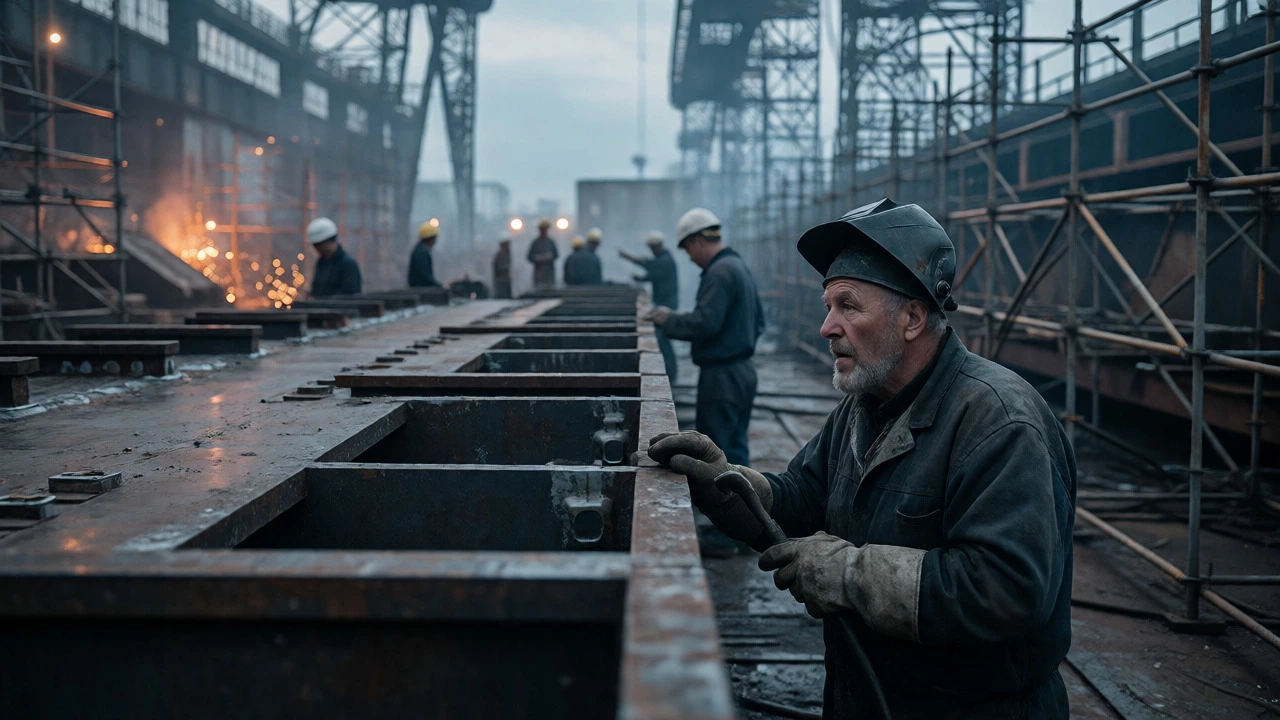
Walk into any major shipyard in Glasgow or a manufacturing hub in the Midlands today, and you’ll likely hear the same complaint from site managers: they can’t find enough qualified welders. It’s not just anecdotal grumbling. The gap between available jobs and certified professionals has widened significantly over the last few years, driven by an aging workforce and a surge in infrastructure projects. If you’re considering picking up a torch or upgrading your skills, the question isn’t whether there are jobs-it’s whether you have the right credentials to grab them before they disappear into the ether of unfilled vacancies.
The Current State of the Skilled Trades Gap
Let’s cut through the noise. Yes, welders are in high demand, but "demand" is a tricky word. It doesn’t mean every entry-level candidate gets a job offer on Tuesday. It means the market is desperate for specific competencies. In the UK, we’re facing a demographic cliff. A large portion of our experienced welding engineers are retiring, and the pipeline of new entrants hasn’t kept pace. According to recent data from the Construction Industry Training Board (CITB), the sector needs tens of thousands of new workers annually just to maintain current output levels, let alone grow it.
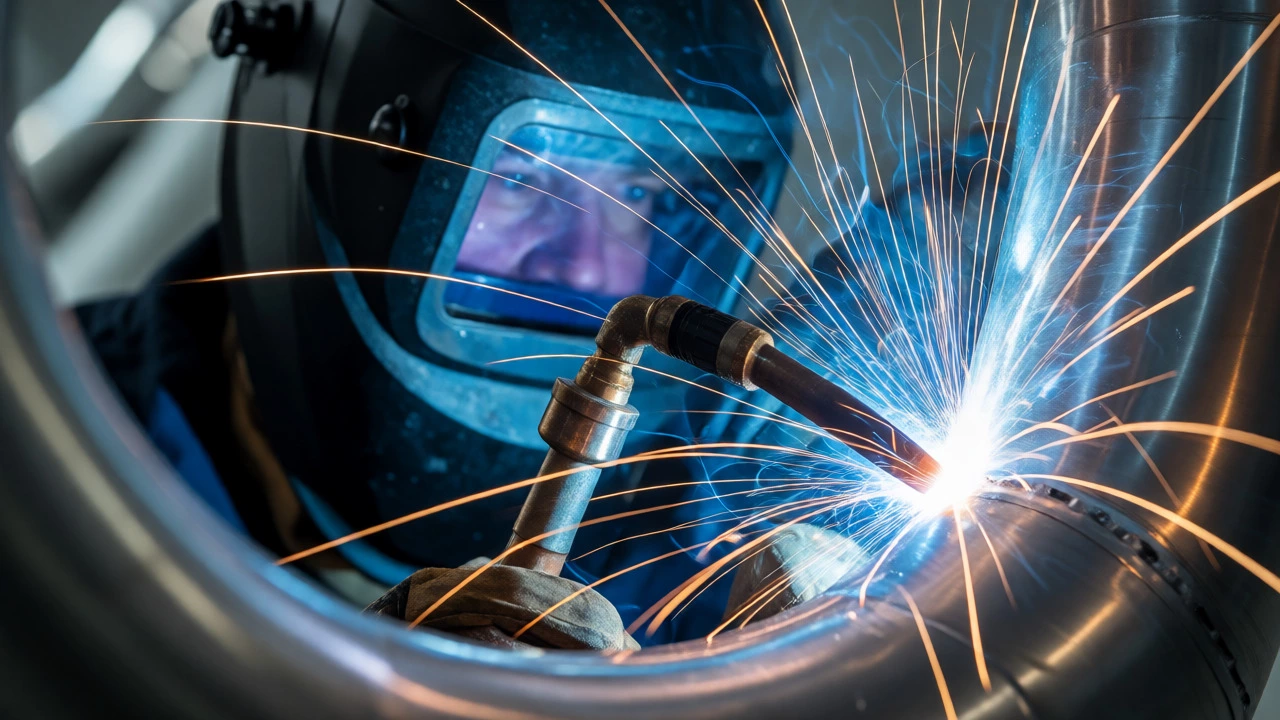
This shortage isn’t limited to one niche. While some sectors like general fabrication see steady competition, specialized areas like underwater welding, pipefitting for oil and gas, and aerospace TIG welding face acute shortages. If you’re thinking about entering this field now, you aren’t walking into a saturated market; you’re walking into a buyer’s market where employers are actively hunting for talent. But here’s the catch: they aren’t hunting for hobbyists. They want proof of skill.
Why the Shortage Exists (And Why It’s Not Going Away)
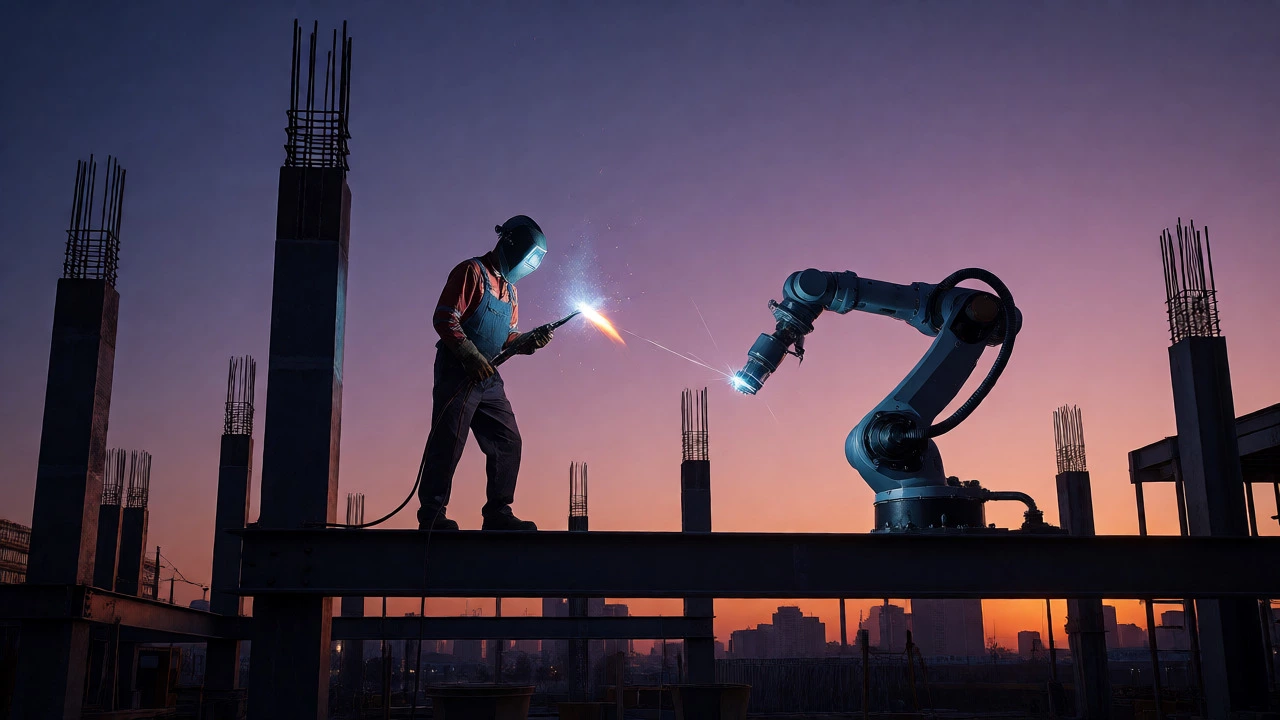
You might wonder why universities haven’t solved this with robotics. Automation has certainly changed the landscape. Robotic arms handle repetitive tasks in automotive factories, reducing the need for manual labor on assembly lines. However, robots struggle with complex, non-standard joints found in construction, energy infrastructure, and bespoke engineering. This is where human dexterity and problem-solving shine.
Another factor is the perception gap. For decades, vocational training was undervalued compared to academic degrees. Many young people were steered toward office jobs, leaving trade schools underpopulated. Now, as those office roles become vulnerable to AI and automation, physical trades are seeing a renaissance. But rebuilding a workforce takes time. You can’t train a structural welder in three months. It requires rigorous practice, certification, and often apprenticeships that last years. This lag time ensures that demand will outstrip supply for at least the next decade.
Sector-Specific Opportunities in 2026
Not all welding jobs are created equal. To maximize your employability, you need to understand which sectors are hiring. Here’s a breakdown of where the heat is right now:
| Sector | Demand Level | Key Skills Required | Average Entry Salary (Est.) |
|---|---|---|---|
| Renewable Energy (Wind/Solar) | Very High | TIG, MIG/MAG, Structural Steel | £35,000 - £45,000 |
| Oil & Gas / Petrochemical | High | Pipe Welding, ASME Codes, Safety Certs | £40,000 - £60,000+ |
| Construction & Infrastructure | Steady/High | Stick (SMAW), Flux-Cored, Site Safety | £30,000 - £40,000 |
| Manufacturing & Fabrication | Moderate | MIG/MAG, Robotics Operation, Quality Control | £28,000 - £35,000 |
| Marine & Shipbuilding | Niche/High | Aluminium Welding, Pressure Testing | £35,000 - £50,000 |
Notice the trend? The highest pay correlates with the hardest certifications and the most hazardous environments. Renewable energy, particularly offshore wind farms, is booming. The UK government’s push for net-zero targets means massive investment in turbine towers and subsea structures. These projects require precision welding that machines still can’t fully replicate in variable weather conditions.
Certification Is Your Ticket Out of Unemployment
If you take one thing away from this article, make it this: no certification equals no job. In the UK, you can’t just buy a kit and start working on critical infrastructure. Employers require accredited qualifications. The gold standard remains the City & Guilds NVQ/SVQ levels or equivalent international standards like AWS (American Welding Society) if you’re looking at global contracts.
Many beginners underestimate the rigor of these tests. Passing a practical exam involves meeting strict tolerances for penetration, bead uniformity, and defect rates. Failing a test costs money and time-both things you don’t have when you’re unemployed. Investing in a reputable welding course that includes mock exams and extensive practice hours is crucial. Look for providers who have strong ties to local industries, as they often have direct pipelines to employment.
How to Future-Proof Your Career
Being a good welder isn’t enough anymore. The modern welder needs to be tech-savvy. As automation creeps in, the role shifts from purely manual execution to oversight and maintenance of automated systems. Learning to operate robotic welding cells or understanding basic metallurgy makes you indispensable.
- Learn Multiple Processes: Don’t stick to just MIG. Master TIG for precision and Stick for outdoor durability. Versatility increases your hireability.
- Get Health & Safety Qualified: Most sites require CSCS cards or similar safety passports. Without them, you can’t step on site.
- Specialize Early: Generalists compete with everyone. Specialists in aluminum or stainless steel compete with fewer people.
Consider also the soft skills. Communication, teamwork, and problem-solving are highly valued. On a busy site, a welder who can read blueprints accurately and communicate issues with engineers saves time and money. That reliability is worth more than raw speed.
Is It Worth the Grind?
Welding is physically demanding. You’ll deal with heat, fumes, awkward positions, and tight deadlines. It’s not a desk job, and it’s not always glamorous. But the financial stability and job security offered by being a skilled tradesperson are hard to beat in today’s economy. Unlike many white-collar roles, your skills can’t be outsourced to another country easily because the work must happen where the structure is built.
So, are welders still in high demand? Absolutely. But the bar for entry is higher than ever. The era of learning on the job with minimal training is fading. Today’s employer wants a certified, safety-conscious, technically proficient professional ready to hit the ground running. If you’re willing to put in the training hours and get the right papers, the opportunities are vast, lucrative, and resilient against economic downturns.
Do I need a degree to become a welder?
No, you do not need a university degree. Instead, you need vocational qualifications such as NVQ/SVQ Levels 1-3 or equivalent certificates like City & Guilds. Apprenticeships are also a common route, combining on-the-job training with classroom learning.
Which type of welding is most in demand right now?
TIG (GTAW) and Pipe Welding are currently in very high demand, especially in the renewable energy, aerospace, and oil & gas sectors. These processes require higher precision and are harder to automate effectively compared to standard MIG welding.
How long does it take to become a qualified welder?
A basic introductory course can take a few weeks, but becoming fully competent and certified typically takes 1-2 years of dedicated training or apprenticeship. Achieving mastery in multiple processes and materials can take several years of experience.
Is welding a safe career choice?
With proper training and adherence to health and safety regulations, welding is safe. Modern protective equipment and ventilation systems mitigate risks like UV radiation and fume inhalation. Obtaining relevant safety certifications (like CSCS in the UK) is mandatory for most site roles.
Can women succeed in the welding industry?
Absolutely. Welding is increasingly gender-neutral, with many successful female welders and welding inspectors. Physical strength is less critical than technique, consistency, and attention to detail. The industry is actively encouraging diversity to address the skills shortage.


Write a comment