
Hospitality Career Skills Assessment
Select the skills you possess or have experience with. This will help determine your current level of readiness for various roles in the hospitality industry.
Essential Soft Skills
Critical Hard Skills
Resilience & Leadership
Your Progress
Select at least 3 skills to get a detailed analysis.
Your Hospitality Readiness Report
Entry Level
Based on your selected skills.
Skill Breakdown
Recommended Next Steps
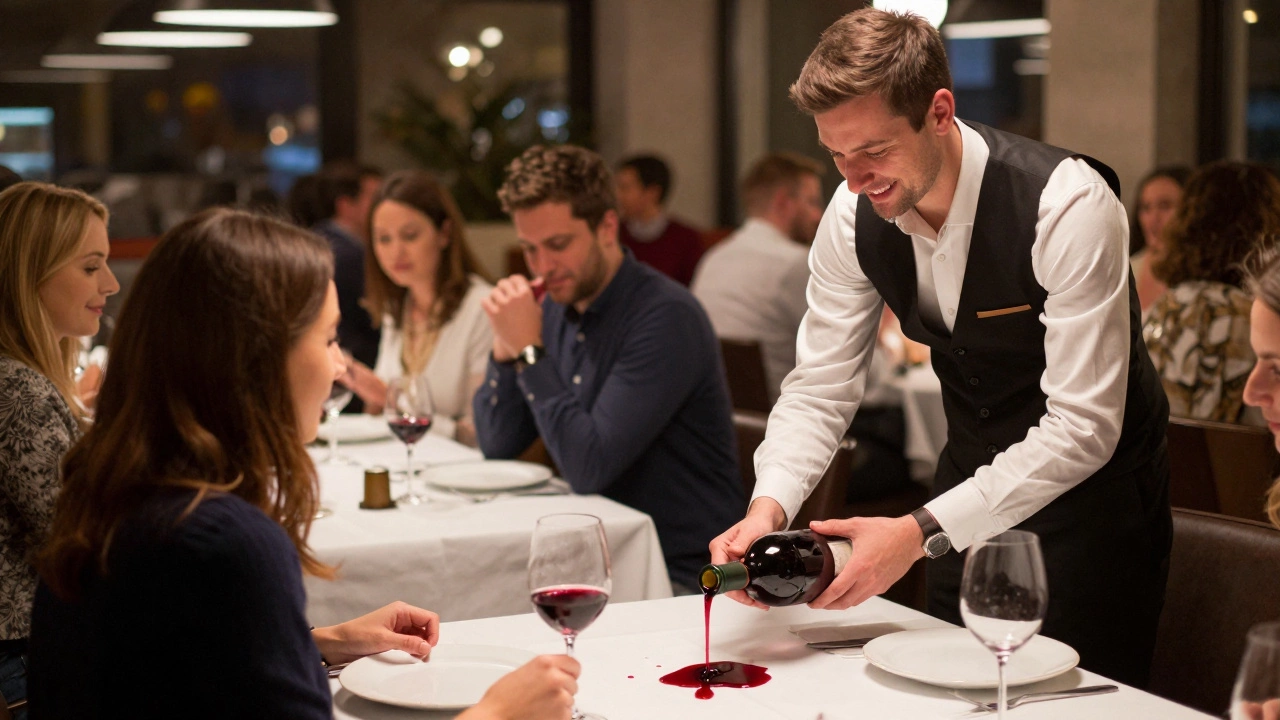
Picture this: It’s Saturday night. The restaurant is packed, the kitchen is screaming out orders, and a guest just spilled red wine on their white tablecloth while complaining about the temperature of their soup. In that moment, your degree certificate doesn’t matter. What matters is whether you can de-escalate the situation, fix the mess, and keep the rest of the dining room calm. This is the reality of working in the hospitality industry, which encompasses hotels, restaurants, tourism, and event management sectors focused on guest satisfaction.
Many people think hospitality is just about smiling and serving food. That’s a dangerous myth. If you walk into an interview thinking it’s only about being friendly, you’ll likely fail. Employers are looking for a specific blend of emotional intelligence, operational know-how, and physical stamina. Whether you are aiming for a role as a front-desk agent, a sous chef, or a general manager, the core requirements remain surprisingly consistent.
The Non-Negotiables: Essential Soft Skills
Soft skills are often harder to teach than technical abilities. You can show someone how to use a reservation system in an afternoon. Teaching them how to handle a grieving family who lost a wedding ring at your pool takes years of experience. These interpersonal traits are the backbone of successful hospitality careers.
Empathy is perhaps the most critical skill. It’s not just about being nice; it’s about reading the room. When a guest walks in looking exhausted after a twelve-hour flight, they don’t want small talk. They want efficiency, a warm towel, and a quiet check-in. Empathy allows you to anticipate needs before they are spoken. Studies in service psychology consistently show that guests remember how you made them feel long after they forget what you served them.
Then there is communication. In hospitality, communication isn't just talking; it's listening actively. Miscommunication between the floor staff and the kitchen is the number one cause of service errors. Clear, concise verbal updates prevent disasters. For example, telling the kitchen "Table 4 has a severe nut allergy" requires immediate, unambiguous transmission. If you mumble or assume the next person heard you, you risk a medical emergency.
You also need high levels of adaptability. No two days in hospitality are identical. A sudden storm might cancel all outdoor events. A key supplier might go bankrupt overnight. Staff might call in sick. The ability to pivot quickly without panicking separates the amateurs from the professionals. You must be comfortable with chaos and able to find order within it.
The Toolkit: Critical Hard Skills
While soft skills get you hired, hard skills keep you employed. These are the tangible, measurable abilities you learn through training, certification, or practice. Without these, even the friendliest employee becomes a liability.
Technical proficiency with Property Management Systems (PMS) and Point of Sale (POS) software is mandatory. Most major hotels and restaurant chains use platforms like Oracle Opera, Micros, or Toast. You need to know how to process payments, manage room keys, update guest profiles, and generate reports. If you slow down the checkout line because you’re fumbling with the interface, you create bottlenecks that frustrate every guest behind you.
Financial literacy is another overlooked hard skill. Even entry-level staff need to understand basic cash handling, tipping regulations, and expense tracking. Managers need to grasp budgeting, payroll forecasting, and inventory cost analysis. Knowing the difference between prime cost (food and labor) and overhead helps you make smarter decisions about waste reduction and staffing levels.
Don’t underestimate the importance of health and safety compliance. Knowledge of local hygiene regulations, fire safety protocols, and allergen management is legally required in many jurisdictions. In the UK, for instance, understanding Food Safety Level 2 standards is often a prerequisite for any kitchen role. Ignorance here isn’t cute; it’s illegal.
| Skill Type | Examples | How It’s Learned | Impact on Guest Experience |
|---|---|---|---|
| Soft Skills | Empathy, Adaptability, Communication | Experience, Coaching, Self-reflection | Emotional connection, loyalty, reviews |
| Hard Skills | PMS Software, Cash Handling, Hygiene Certs | Training Courses, Certification, Practice | Efficiency, accuracy, legal compliance |
Physical and Mental Resilience
Hospitality is physically demanding. You will stand for eight to ten hours a day. You will lift heavy boxes of supplies. You will clean up spills that require bending and scrubbing. Physical stamina is not optional. If you have back problems or low endurance, you need to assess whether the role fits your body type or if you need accommodations.
Mental resilience is equally important. The industry operates on thin margins and high stress. Guests may take out their frustrations on you, not because you did anything wrong, but because you are the visible face of the company. Developing thick skin means not taking insults personally. It’s about compartmentalizing negative interactions so they don’t affect your performance with the next guest.
Leadership and Teamwork Dynamics
Even if you aren’t a manager, you are part of a team. Hospitality relies on seamless coordination. The bartender needs the server to push drinks. The housekeeper needs the front desk to update room statuses. If you work in silos, the operation collapses.
For those aiming for leadership roles, conflict resolution becomes vital. You’ll mediate disputes between staff members, handle difficult guest complaints, and negotiate with suppliers. Effective leaders in hospitality inspire rather than dictate. They lead by example, staying late when the team is overwhelmed and celebrating wins together.
Continuous Learning and Adaptation
The hospitality landscape is changing rapidly. Post-pandemic, travelers expect contactless check-ins, enhanced sanitation, and personalized digital experiences. Staying relevant means continuously updating your skills. This might involve learning new tech tools, understanding sustainability practices, or studying emerging travel trends.
Certifications can boost your credibility. Consider courses in wine and spirits education, advanced first aid, or project management. These add value to your resume and signal to employers that you are committed to professional growth.
Do I need a degree to work in hospitality?
No, a degree is not strictly necessary for most entry-level roles. Many successful managers started as waiters or receptionists. However, a degree in Hospitality Management can accelerate your path to executive positions and provide structured knowledge in finance, marketing, and operations.
What is the most important skill for a hotel receptionist?
Problem-solving under pressure is key. Receptionists are the first point of contact and often handle complex issues like overbookings, lost luggage, or billing errors. Combining this with strong computer skills for booking systems is essential.
How can I improve my empathy in customer service?
Practice active listening. Focus entirely on what the guest is saying without interrupting. Try to put yourself in their shoes-imagine you are tired, hungry, or stressed. Respond to their emotions first, then address the factual issue. Role-playing scenarios with colleagues can also help build this muscle.
Is physical fitness really required for hospitality jobs?
Yes, especially for front-of-house and kitchen roles. You will be on your feet for long shifts, lifting trays, and moving quickly. Good posture and regular exercise can help prevent common injuries like back strain and foot pain.
What certifications are valuable in the hospitality industry?
Food Safety Level 2 (for kitchen staff), First Aid at Work, Wine & Spirit Education Trust (WSET) certificates, and certifications in specific software like Oracle Opera or Microsoft Office Suite are highly valued by employers.


Write a comment