

Training someone to be a teaching assistant isn’t about giving them a checklist and hoping they figure it out. It’s about building confidence, understanding child development, and learning how to step in at just the right moment-without taking over. Many schools hire teaching assistants with good intentions but little structure, leaving them overwhelmed and ineffective. The truth? A great teaching assistant doesn’t just help with paperwork or supervise lunchtime. They’re a quiet force that keeps learning moving forward.
Start with the role, not the tasks
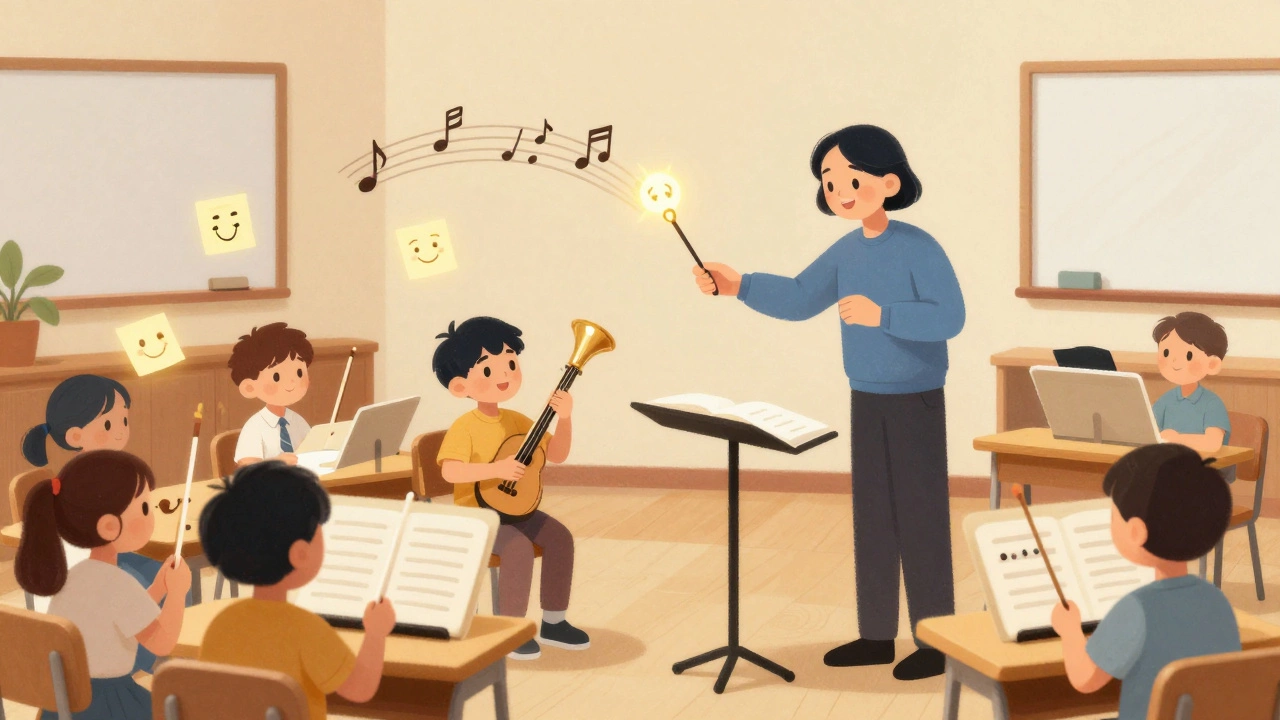
Before you teach anyone how to hold a pencil for a child who struggles, or how to organize flashcards, you need to explain what the job actually is. A teaching assistant isn’t a substitute teacher. They’re not a babysitter. They’re a support system designed to help the teacher reach every student, especially those who need extra time, space, or a different way to learn.Think of it like this: the teacher is the conductor. The teaching assistant is the section leader in the orchestra-knowing when to play louder, when to hold back, and when to help a musician who’s lost their place. Without that support, the whole piece falls apart.
Many new assistants think their job is to fix problems. It’s not. Their job is to create conditions where the child can fix them themselves. That means patience, observation, and knowing when to say nothing at all.
Observe before you act
One of the biggest mistakes new assistants make is jumping in too fast. A child is struggling with a math problem? They reach for the pencil. A student looks confused during reading? They start explaining.Stop. Watch first.
What’s the child doing before they get stuck? Are they avoiding eye contact? Fidgeting? Rereading the same line? These are clues. A good assistant learns to read behavior like a weather map. If a student’s shoulders tense up every time they’re asked to read aloud, that’s not defiance-it’s anxiety. The solution isn’t to read for them. It’s to give them a quiet moment, a partner, or a script they can practice alone first.
Train assistants to spend their first week in the classroom doing nothing but observing. Not helping. Not correcting. Just watching. Have them write down three things they notice about each student: what they do when they’re confused, what makes them smile, and what shuts them down. That’s the foundation.
Build practical skills, not theory
You don’t need a 50-page manual on child psychology. What you need are clear, repeatable techniques that work in real classrooms.Here are five skills every assistant should master before stepping into a classroom:
- Breaking tasks into tiny steps - Instead of saying "Do your math sheet," say "First, read the first problem. Then, circle the numbers. Now, write the answer in the box."
- Using visual cues - A sticky note with a smiley face means "You’re doing great." A red card on the desk means "I need a break." These are silent signals that reduce pressure.
- Positive redirection - Instead of "Don’t shout," say "Let’s try using our quiet voice." The brain responds better to what to do than what not to do.
- Managing transitions - Moving from math to recess is where chaos starts. Train assistants to give a 5-minute warning, then a 2-minute warning, then a hand signal. Routines prevent meltdowns.
- Documenting progress quietly - Keep a small notebook. Not grades. Just notes: "Liam used a ruler without being asked," or "Maya asked for help instead of crying today." These notes help teachers adjust lessons.
These aren’t theories. These are tools used daily in primary schools across England. Practice them until they become automatic. The goal isn’t to memorize them-it’s to make them feel natural.

Role-play real classroom moments
Theory doesn’t stick. Practice does.Set up short role-play sessions. One person plays the teacher, another the student, and the trainee plays the assistant. Give them a scenario:
- A child refuses to join group work.
- A student keeps copying off a neighbor’s paper.
- A child cries every time they’re asked to read aloud.
Let the trainee try different approaches. Then switch roles. After each round, ask: "What did you notice? What worked? What made it worse?"
This isn’t performance. It’s rehearsal. The classroom is unpredictable. The more they’ve practiced reacting calmly, the less likely they are to panic when things go sideways.
Teach them how to talk to teachers
A teaching assistant who doesn’t communicate with the teacher is like a GPS that doesn’t update. They’ll keep guiding you down a road that’s been closed for weeks.Train assistants to give short, clear updates at the end of each day. Not a long story. Just three bullets:
- What went well today?
- What was tricky?
- What should we try tomorrow?
They don’t need to be experts. They just need to be observant. And they need to know their input matters.
Some assistants feel like they’re just there to follow orders. That’s wrong. The best assistants are the ones who notice patterns the teacher misses-like how a child behaves differently after lunch, or how a certain phrase triggers a meltdown. When they share that, the teacher can adjust. That’s partnership.
Let them see the impact
People stay in roles when they feel useful. Not when they’re told they’re doing a good job. When they see the change they’ve made.At the end of a month, show them this:
- Here’s the note you wrote about Sam. He didn’t speak for the first two weeks. Now he raises his hand once a day.
- Here’s the reading log you kept for Aisha. She went from skipping sentences to reading a whole paragraph without help.
- Here’s the photo of the class during group work-you were the one who sat with the quietest group and helped them build their story.
Don’t just say "thank you." Show them the proof. That’s what keeps people coming back. That’s what turns a helper into a vital part of the team.
What doesn’t work
There are a few common training traps that make assistants less effective:- Over-reliance on scripts - If every interaction is scripted, the assistant loses their ability to think on their feet.
- Trying to be the hero - The goal isn’t to solve every problem. It’s to help the child solve them.
- Ignoring boundaries - An assistant shouldn’t be giving out homework advice to parents or making decisions about special needs without teacher input.
- Skipping reflection - If they never stop to ask "What did I learn today?" they’ll repeat the same mistakes.
Training isn’t about filling their head with rules. It’s about sharpening their judgment.
Support doesn’t end on day one
New assistants need ongoing support. That means:- Monthly check-ins with the lead teacher
- Access to a simple resource folder (printed or digital) with quick tips
- Time to sit in on planning meetings-even just for 15 minutes
- A mentor-someone who’s been there, who can answer questions without judgment
Teaching assistants are often the most under-supported staff in schools. Don’t make that worse. Give them space to grow. Give them time to ask questions. Give them credit when they get it right.
Because the truth is, the best teaching assistants don’t come from courses. They come from care. And the right training doesn’t teach them how to do the job-it helps them become the kind of person who wants to do it well.
Do I need qualifications to become a teaching assistant?
No formal qualifications are required to start as a teaching assistant in most UK schools. Many begin as volunteers or classroom helpers and gain experience on the job. However, having a Level 2 or Level 3 Teaching Assistant qualification (like an NVQ or CACHE course) can help with career progression and pay. Schools often support staff in working toward these while employed.
Can someone with no teaching experience be a good assistant?
Absolutely. Many of the best teaching assistants have never been teachers. What matters more than experience is patience, empathy, and the ability to follow guidance. A person who listens well, stays calm under pressure, and notices small changes in behavior can be far more effective than someone with a teaching degree but no emotional connection to children.
How long does it take to train a teaching assistant?
Basic training can take 2-4 weeks of focused practice, especially if the person is observing daily and doing role-plays. But becoming truly effective takes months. The best assistants keep learning for years. It’s not a course you finish-it’s a skill you grow.
What’s the biggest mistake new assistants make?
The biggest mistake is trying to fix things too quickly. Many assistants jump in to answer questions, complete tasks, or correct mistakes before the child has had a chance to try. This stops learning. The goal isn’t to make the work look perfect-it’s to help the child learn how to do it themselves.
Should teaching assistants work with one child or the whole class?
It depends on the day and the needs. Some days, they’ll work one-on-one with a child who needs extra support. Other days, they’ll help a small group or circulate around the class offering gentle prompts. The best assistants are flexible. They know when to focus deeply and when to stay broad.
If you’re training someone to be a teaching assistant, remember this: you’re not preparing them for a job. You’re helping them become someone who makes learning possible for others. That’s not just important-it’s essential.



Write a comment