
Welding Test Difficulty Simulator
Select your test parameters below to see an estimated difficulty rating and preparation tips based on industry standards.
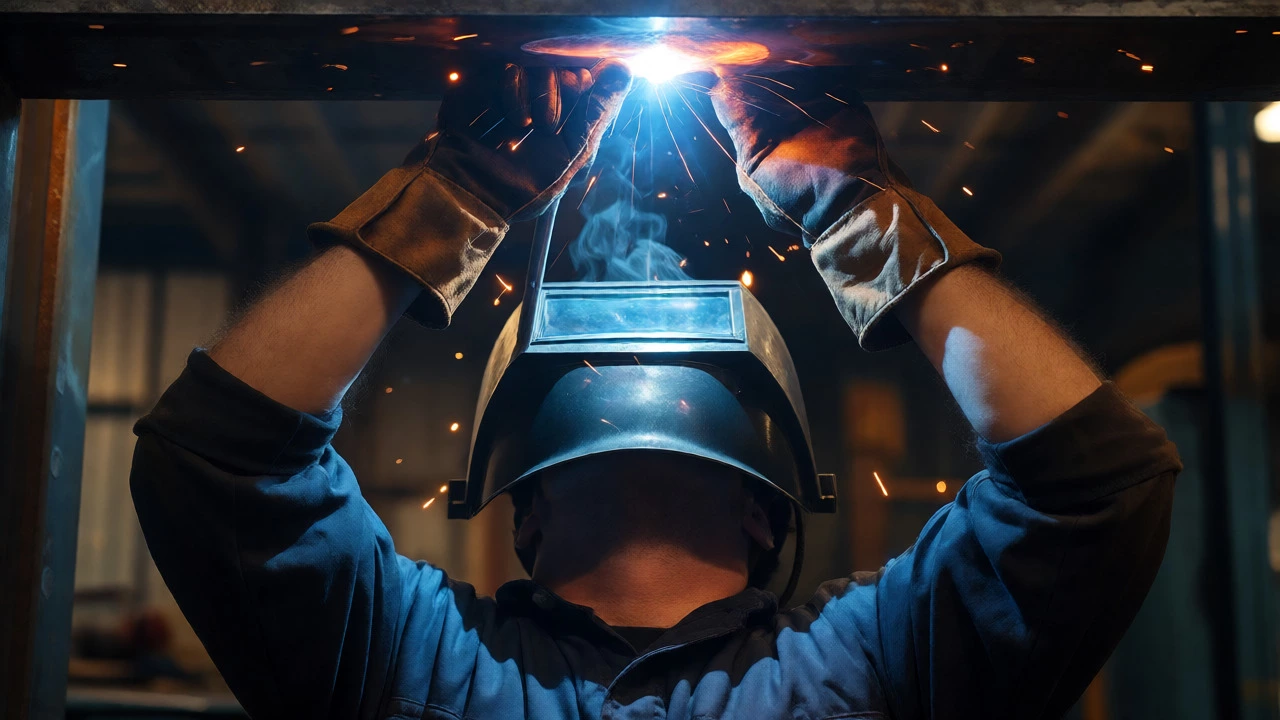
Most new welders think the hardest part of the job is holding a torch steady while sparks fly everywhere. It’s not. The real nightmare starts when you’re asked to pass a certification test that decides whether you get hired or sent home. If you’ve ever wondered what is the hardest welding test to pass, the answer usually points to one specific beast: the American Welding Society (AWS) D1.1 Structural Steel Code tests, particularly those involving overhead positions on thick plate steel.
But here’s the twist: "hard" is subjective. For some, it’s the physical strain of welding upside down. For others, it’s the mental pressure of knowing a single pore in your weld means failing an X-ray inspection. This guide breaks down why certain tests are notorious, which certifications trip people up the most, and how you can actually beat them without losing your mind.
The Contenders: Why Some Tests Are Tougher Than Others
Welding isn't just about melting metal; it's about controlling physics under strict rules. The difficulty of a test depends on three main factors: position, material thickness, and inspection method. Let’s look at what makes these elements so unforgiving.
AWS D1.1 Structural Steel Code is the primary standard for structural steel welding in the United States. It sets the bar high because it demands precision in critical infrastructure applications like bridges and skyscrapers. When a welder fails this, they aren’t just making a bad bead; they’re potentially compromising safety.
Consider the Overhead Position (4G). In welding shorthand, '4' refers to the position, and 'G' stands for groove. This requires the welder to lay beads directly above their head against gravity. Molten metal wants to drip into your face, not stay in the joint. Controlling the puddle here requires exceptional hand-eye coordination and breath control. Most beginners quit before they even master the 6G pipe test, but the 4G plate test is where many seasoned pros still sweat bullets during re-certification.
Then there’s the inspection method. Visual inspection is forgiving compared to Non-Destructive Testing (NDT). Methods like Radiographic Testing (RT) or Ultrasonic Testing (UT) don’t care if your weld looks pretty. They hunt for internal defects like slag inclusion, lack of fusion, or porosity. If you fail RT, you don’t know exactly where the flaw is until the film comes back, which adds a layer of psychological stress that visual-only tests simply don’t have.
The Pipe Welding Gauntlet: 6G Certification
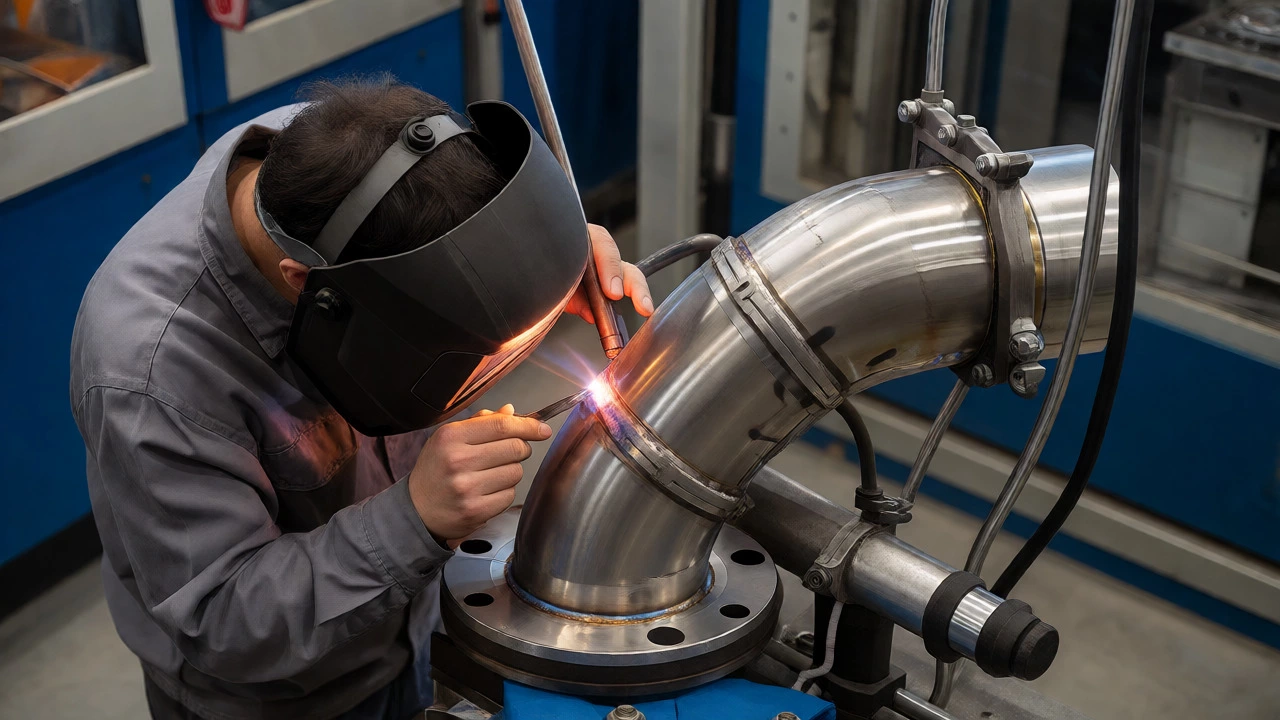
If structural steel is hard, pipe welding is the final boss. Specifically, the 6G Pipe Welding Test is widely considered the most difficult common welding qualification because it combines all four basic positions into one continuous joint.
Here’s why it’s brutal:
- All-Position Requirement: You start at the bottom (5G), move up the sides (2G equivalent), and finish over the top (1G equivalent). Your body has to contort, and your angle changes constantly.
- Tight Tolerances: Pipe joints often require root passes that must fuse perfectly with the inside of the pipe. Miss the root, and the whole cap pass is garbage.
- No Room for Error: Unlike flat plate welding, you can’t easily grind out a mistake in a pipe joint without weakening the wall thickness. One bad tack weld can ruin hours of work.
Many industrial employers specifically ask for 6G certified welders because passing it proves you can handle any orientation. If you can weld a 6G pipe, you can weld anything. But getting there takes months of practice. Many trainees fail their first attempt because they rush the root pass or burn through the thin backing ring.
| Test Type | Primary Challenge | Failure Rate (Est.) | Best For |
|---|---|---|---|
| AWS D1.1 4G Plate | Gravity control & heat management | High | Structural Ironworkers |
| ASME IX 6G Pipe | Multi-position endurance & root fusion | Very High | Pipeline & Pressure Vessel Welders |
| Aluminum TIG (GTAW) | Heat sensitivity & oxide removal | Moderate-High | Aerospace & Automotive Specialists |
| Stainless Steel SMAW | Contamination control & distortion | Moderate | Food Grade & Chemical Plants |
Material Matters: Aluminum and Stainless Steel
It’s not just about position; it’s about what you’re welding. Carbon steel is relatively forgiving. It heats slowly and holds its shape well. Aluminum is a different story entirely. Aluminum conducts heat five times faster than steel and melts at a much lower temperature. This creates a narrow window between "cold lap" (not enough heat) and "burn-through" (too much heat).
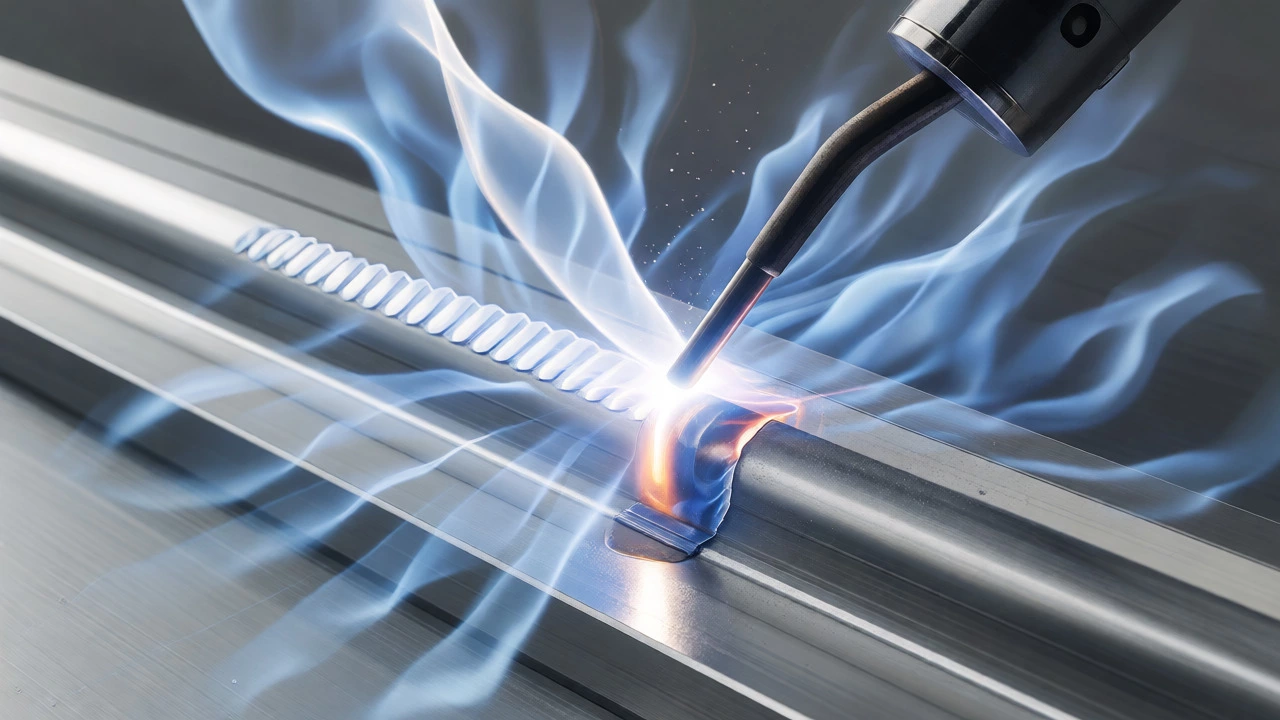
When you take an aluminum TIG (Gas Tungsten Arc Welding) test, you’re fighting invisible enemies. Aluminum oxide forms instantly on the surface, creating a crust that traps dirt and moisture. If you don’t clean it properly with stainless steel brushes and acetone, your weld will be porous. Plus, aluminum doesn’t change color as it heats up. Steel glows red; aluminum stays silver until it suddenly turns liquid. Learning to read that subtle sheen is a skill that takes years to refine, making aluminum tests notoriously tricky for newcomers.
Stainless steel brings its own headaches. It’s prone to distortion and contamination. If you use a carbon steel brush on stainless, you’ll introduce iron particles that cause rust later. Inspectors check for this. Also, stainless requires precise interpass temperatures. Get too hot, and you ruin the corrosion-resistant properties. Too cool, and you get lack of fusion. Balancing speed and heat input on stainless is a mental game as much as a physical one.
How to Prepare for the Hardest Tests
So, how do you survive the AWS D1.1 or ASME IX gauntlet? Practice alone isn’t enough. You need deliberate, structured preparation.
First, simulate test conditions. Don’t just weld whenever you feel like it. Set a timer. Wear your full PPE (Personal Protective Equipment), including the hood that limits your visibility. If you practice with a clear lens but test with a dark shade, you’ll be disoriented. Replicate the awkward angles. If you’re testing for 6G, clamp your pipe at 45 degrees and weld it exactly like that. Muscle memory builds when you repeat the exact motion under stress.
Second, learn to read your failures. Most people fail because they don’t understand *why* they failed. Did you have undercut? That means you moved too fast or had too much amperage. Porosity? Check your gas flow and shielding. Cracking? Maybe your pre-heat was insufficient. Keep a logbook. Write down every parameter-amperage, voltage, travel speed-and correlate it with the defect. Over time, you’ll develop an intuition for what the arc sounds and feels like when things go wrong.
Third, manage your nerves. Test anxiety causes shaky hands and poor breathing. Breath control is critical in TIG welding. Hold your breath, and your hands shake. Exhale slowly, and you stabilize. Some pro welders meditate before tests. Others visualize the entire process from tacking to capping. Find what calms you down. Remember, the inspector isn’t trying to trick you; they’re looking for consistency. If you can produce consistent quality, you pass.
Common Pitfalls That Cause Failure
Even experienced welders fail tests due to simple oversights. Here are the big ones:
- Ignoring Pre-Qualification Requirements: Each code (AWS, ASME, API) has specific variables. If you practice with E7018 rods but the test requires E6010, you’re doomed. Always confirm the filler metal and electrode type beforehand.
- Undercutting: This is the most common visual rejection. It happens when the base metal melts away along the toe of the weld, leaving a groove. It weakens the joint structurally. Fix it by slowing down your travel speed and adjusting your angle.
- Inadequate Cleaning: Oil, paint, or mill scale on the joint leads to porosity. Spend more time cleaning than welding. A dirty joint is a failed joint, no matter how pretty the bead looks.
- Rushing the Root Pass: In pipe welding, the root determines everything. If the root lacks penetration, the rest of the weld is hollow. Take your time. Listen to the arc. A steady, crisp sound indicates good fusion.
Another trap is fatigue. Long tests, especially on large plates or pipes, exhaust your arms and shoulders. Plan your breaks if allowed. Stretch between passes. Hydrate. Dehydration affects concentration, and a momentary lapse can ruin a multi-hour effort.
Does Failing Mean You’re Not Cut Out for Welding?
Absolutely not. Failing a certification test is a rite of passage. Even master welders with 20 years of experience occasionally flunk re-certifications due to rustiness or unfamiliar codes. The key is resilience. Analyze the failure report. Was it visual? Internal? Geometric? Use that data to target your practice.
Employers respect welders who fail and come back stronger. It shows humility and dedication. Many successful pipeline welders failed their first 6G test multiple times. They didn’t quit; they adjusted their technique. So, if you bomb your first attempt, don’t pack up your gear forever. Clean off your gloves, review the code requirements, and book another slot.
Is the 6G pipe test harder than the 4G plate test?
Generally, yes. The 6G pipe test requires mastering all four welding positions (flat, horizontal, vertical, overhead) in a single continuous joint. The 4G plate test only requires overhead welding. However, 4G can be physically more demanding for the neck and shoulders due to sustained overhead work, while 6G demands greater versatility and stamina.
Why is aluminum welding considered so difficult?
Aluminum has high thermal conductivity, meaning it dissipates heat quickly, requiring higher amperage. It also melts at a lower temperature than steel, creating a narrow processing window. Additionally, aluminum forms a tough oxide layer that must be cleaned meticulously to prevent porosity. The lack of visible color change as it heats makes judging temperature difficult for beginners.
What is the difference between AWS and ASME welding codes?
AWS (American Welding Society) codes, like D1.1, typically govern structural steel construction (buildings, bridges). ASME (American Society of Mechanical Engineers) Section IX governs pressure vessels and piping systems. ASME tests are often stricter regarding internal integrity (X-ray/UT) and documentation, while AWS focuses heavily on visual and structural strength for load-bearing applications.
How long does it take to prepare for a difficult welding test?
For a beginner aiming for a complex test like 6G pipe or aluminum TIG, expect 3 to 6 months of dedicated practice. This includes learning machine settings, practicing joint prep, and simulating test conditions. Experienced welders switching to a new code may need 2 to 4 weeks of focused refresher training to adapt to specific tolerances and procedures.
Can I retake a failed welding test immediately?
It depends on the certifying body and employer policy. Generally, you can retake a test after addressing the cause of failure. However, repeated failures may require additional documented practice or a waiting period. Always consult the specific code requirements (e.g., AWS D1.1 Clause 6) for retake protocols, as they vary by jurisdiction and contract.


Write a comment