
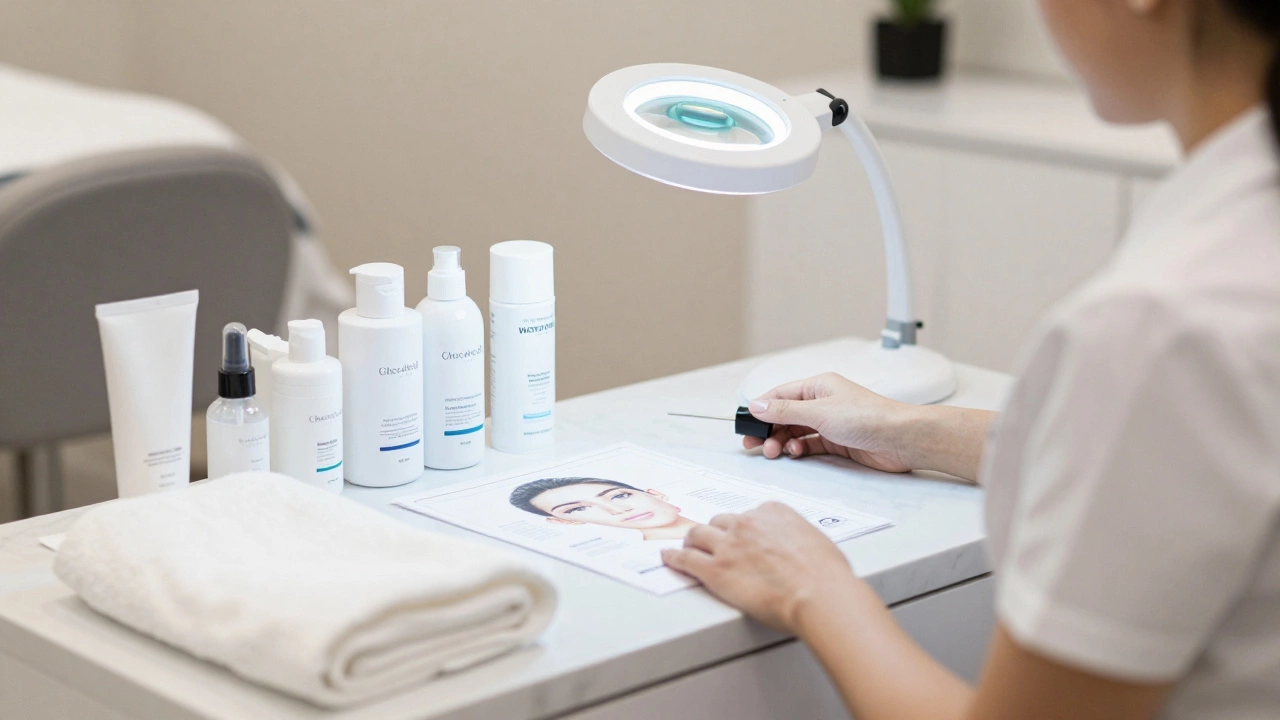
Quick Takeaways
- A fully qualified therapist typically holds a Level 3 qualification or higher.
- Certification involves both theoretical knowledge and hundreds of hours of practical experience.
- Qualified status is essential for obtaining professional insurance and working in medical-grade clinics.
- Ongoing CPD (Continuing Professional Development) is required to keep skills current.
Defining the Fully Qualified Professional
When we talk about a fully qualified beauty therapist is a professional who has completed a comprehensive, accredited program of study and practical assessment, typically reaching a Level 3 standard in the UK. Unlike someone who has just taken a short course in lash extensions or a weekend workshop in waxing, a fully qualified therapist has a deep understanding of anatomy, physiology, and skin chemistry. They don't just know how to apply a product; they know why a specific ingredient works for a particular skin type and when a client should be referred to a doctor instead.
The jump from being 'trained' to 'fully qualified' usually happens at the NVQ Level 3 mark. At this stage, the therapist moves beyond basic beauty tasks and enters the realm of advanced treatments. For example, while a Level 2 therapist can do a basic facial, a Level 3 therapist can perform detailed skin analysis and recommend a full course of treatment to solve a specific problem, like adult acne or premature aging.
The Educational Path: From Basics to Expert
Becoming qualified isn't something that happens overnight. It's a tiered process that ensures safety and competence. Most students start with a foundation level, often an NVQ Level 2, which covers the 'bread and butter' of the industry: manicures, pedicures, basic waxing, and simple facials. This is the entry point, but it's not where the 'fully qualified' title usually sits.
To reach full qualification, students progress to the Level 3 diploma. This is where the workload gets intense. You're no longer just following a manual; you're studying the lymphatic system, hormonal impacts on the skin, and complex contraindications. If a client comes in with a rash, a fully qualified therapist can distinguish between a simple allergy and a condition that requires medical intervention. This knowledge is what protects the client and the business from legal liabilities.
| Feature | Level 2 (Basic) | Level 3 (Fully Qualified) | Level 4+ (Advanced/Specialist) |
|---|---|---|---|
| Core Focus | Basic maintenance & grooming | Advanced skin & body treatments | Medical aesthetics & laser |
| Typical Treatments | Waxing, basic nails, makeup | Electrical facials, body wraps | Chemical peels, Microneedling |
| Knowledge Depth | Surface level skin types | Anatomy & Physiology (A&P) | Dermal science & pharmacology |
| Insurance Status | Limited coverage | Full professional indemnity | Specialized high-risk coverage |
The Role of Accredited Bodies and Standards
Qualification is only as good as the body that grants it. In the UK, the gold standard usually involves certifications from City & Guilds or VTCT (Vocational Training for Cosmetic Therapy). These organizations set the national standards. When a therapist says they are qualified, they are usually referring to these benchmarks. Why does this matter? Because insurance companies rely on these standards.
If a therapist uses a high-frequency machine on a client's face without a recognized Level 3 qualification, they are operating outside their scope of practice. If something goes wrong, their insurance provider will likely refuse the claim because the therapist wasn't 'qualified' to use that specific equipment. This is why you'll see high-end salons strictly requiring certificates from accredited bodies rather than just 'experience' or a certificate from an unverified online course.
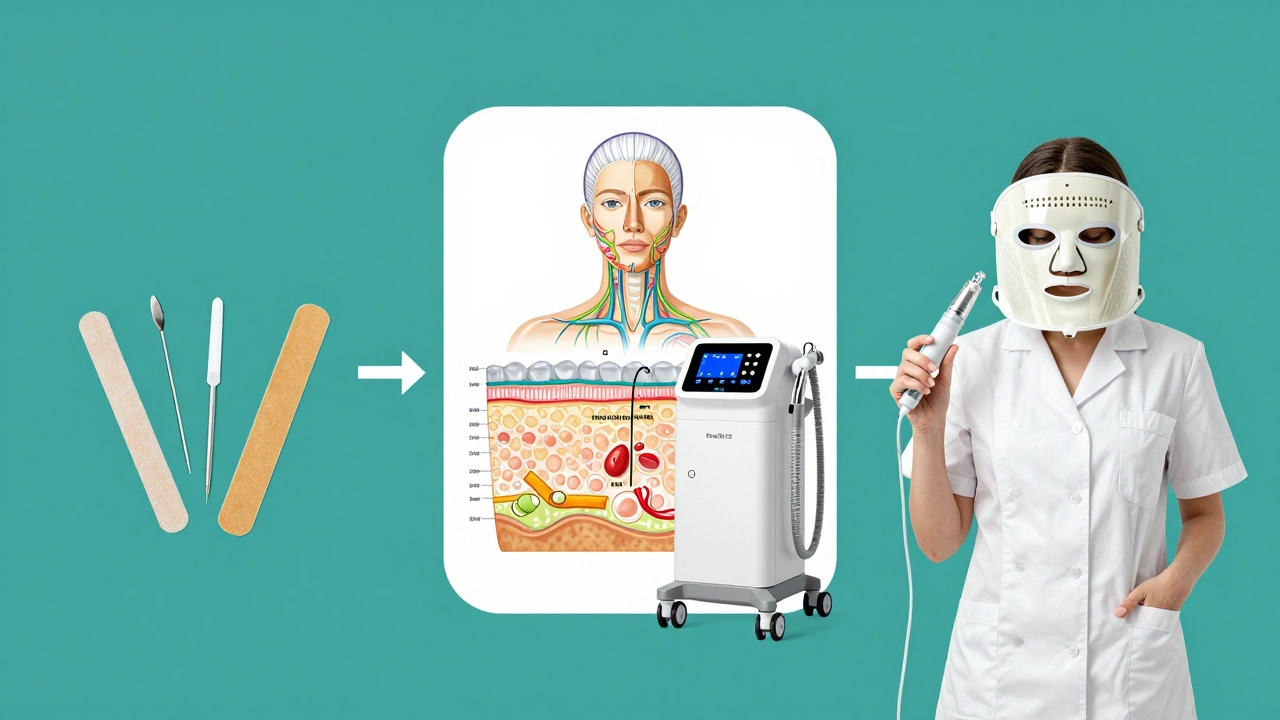
Essential Skills Beyond the Certificate
A piece of paper proves you passed a test, but being a truly effective fully qualified beauty therapist involves a mix of hard and soft skills. First, there's the technical mastery of Esthetics. This is the art and science of skin care. A therapist must be able to perform a detailed consultation, identifying whether a client has oily, dry, or combination skin and adapting the treatment on the fly.
Then there's the physical demand. It's a job that requires standing for hours and using a lot of upper-body strength for massages. But perhaps the most underrated skill is the psychological one. Therapists often act as unofficial counselors. They need to maintain professional boundaries while making the client feel safe and relaxed. This 'bedside manner' is what turns a one-time customer into a lifelong client.
Specializations and the Path to Advanced Therapy
Once someone is fully qualified at Level 3, they don't just stop. The beauty industry moves fast. New technologies like LED light therapy or ultrasound skin scrubbing emerge every few years. This leads to the world of advanced aesthetics. Many therapists move into Cosmetic Dermatology, focusing on anti-aging and skin corrective treatments.
Some might specialize in bridal makeup, while others dive into the world of holistic therapies, combining beauty with aromatherapy or reflexology. The key here is CPD (Continuing Professional Development). A therapist who qualified in 2010 but hasn't taken a course since is technically qualified, but they aren't current. In a professional setting, staying 'current' is just as important as the initial qualification.
How to Verify a Therapist's Qualifications
If you're a salon owner hiring staff or a client wanting peace of mind, how do you check if someone is actually qualified? Don't just look for a framed certificate on the wall-those can be bought. Ask for the awarding body. A real pro will proudly tell you they are 'City & Guilds qualified' or 'VTCT certified'.
You can also ask about their insurance. Any legitimate, fully qualified beauty therapist will have professional indemnity and public liability insurance. If they hesitate or say they 'don't need it' because they're experienced, that's a massive red flag. Professional insurance is only granted to those who can prove their qualifications through certified documentation.
Can I call myself a beauty therapist if I only have a Level 2 certificate?
You can call yourself a beauty therapist, but you are not 'fully qualified' in the professional sense of the term. You are limited to basic treatments and cannot perform advanced electrical or specialized skin treatments. Most employers will view you as an entry-level therapist.
What is the difference between an esthetician and a beauty therapist?
In many regions, these terms are used interchangeably. However, 'esthetician' often leans more toward skin care and facial treatments, while 'beauty therapist' is a broader term that includes body treatments, massage, and nail care. In the UK, 'beauty therapist' is the more common professional designation.
How long does it take to become fully qualified?
Depending on the route, it can take anywhere from 18 months to 3 years. A fast-track diploma might take a year of intensive study, while an apprenticeship (NVQ) often takes longer because it integrates work experience with classroom learning.
Do I need a license to practice beauty therapy?
In the UK, there isn't a single government license like a medical license, but you need qualifications to get insurance. Without insurance, you cannot legally or safely run a business, as you'd be personally liable for any accidents or reactions clients have to treatments.
Is a Level 3 qualification enough to open my own salon?
Yes, a Level 3 qualification is generally the minimum requirement to be considered a professional capable of running a salon. However, you will also need business knowledge, such as health and safety regulations, accounting, and marketing, which are often taught in separate vocational modules.
Next Steps for Aspiring Therapists
If you're just starting out, the best path is usually a combination of a college course and a part-time job in a salon. This allows you to apply the theory of anatomy and physiology to real-life clients immediately. Look for courses that offer a clear path from Level 2 to Level 3 without gaps.
For those already qualified, the next step is specialization. Whether it's moving into advanced laser treatments or focusing on organic, vegan skincare, finding a niche is how you increase your earning potential. Don't let your certificates gather dust-keep taking workshops and staying on top of the latest trends in dermal science.



Write a comment