
Gender-Neutral Hairdressing Term Checker
Check Professional Hairdressing Terms
Enter a term related to hairdressing to see if it's appropriate for professional use. This tool verifies if terms are gender-neutral and industry-standard.
When you walk into a salon and ask who did your hair, you might hear, "That was Lisa"-but rarely do you hear, "That was a female hairstylist." So what’s the real word? And why does it even matter? If you’re thinking about taking hairdressing courses, knowing the right terms isn’t just about sounding professional-it’s about understanding the culture, history, and expectations of the trade.
There’s No Separate Title for a Female Hairstylist
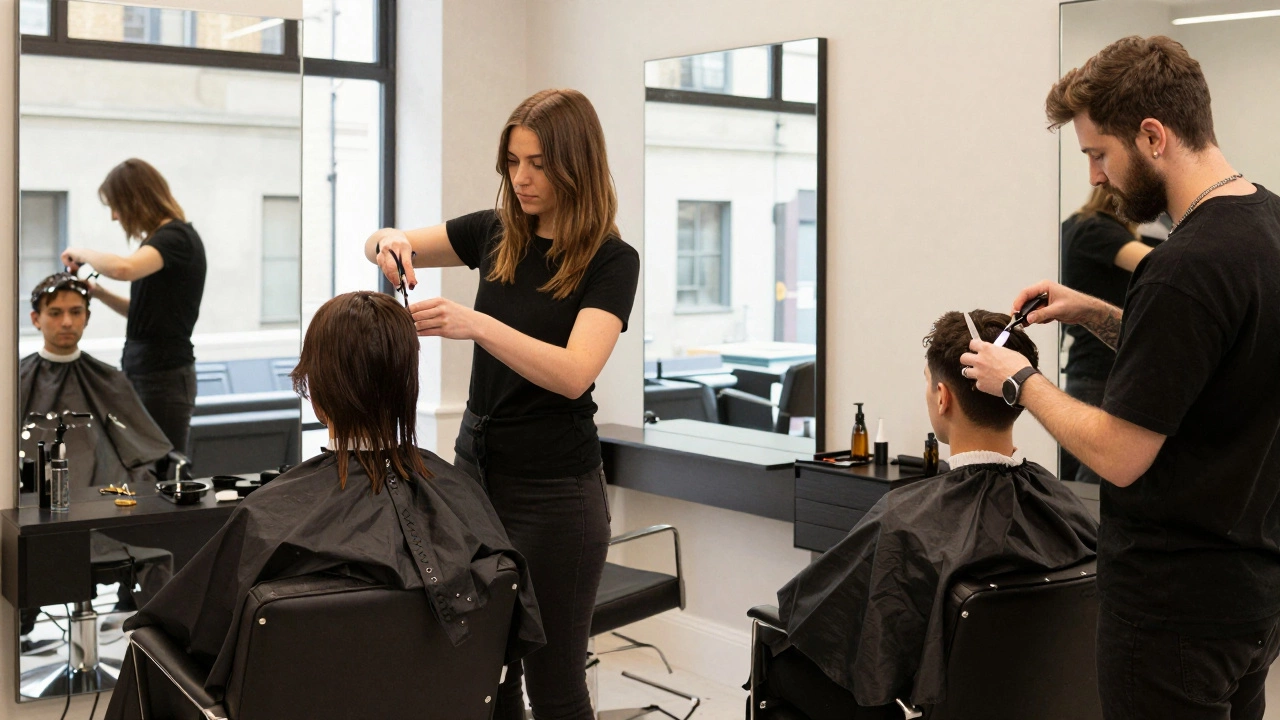
The simple truth? A female hairstylist is called a hairdresser. Or just a hairstylist. The same as a man. There isn’t a special word like "hairdressess" or "female stylist" used in the industry-and for good reason.
Back in the 1970s and 80s, you’d sometimes hear "hairdresser" used for women and "barber" for men. That’s outdated now. Modern salons don’t divide roles by gender. A person who cuts, colors, and styles hair-no matter their gender-is a hairdresser. The job doesn’t change based on who’s doing it.
Think about it: we don’t say "female electrician" or "female plumber." We say electrician or plumber. The same logic applies here. The profession defines the title, not the gender.
Why Do People Still Ask This?
It’s mostly because of old habits and confusion from pop culture. Movies and TV shows often show women as "hairdressers" and men as "barbers," especially in classic films where barbershops were all-male spaces. But today’s reality is different.
Barbershops still exist, yes-but they’re not exclusive to men anymore. Many women work as barbers, and many men work as hairdressers in full-service salons. The difference isn’t gender. It’s technique and training.
Barbers are trained to use clippers, razor cuts, and traditional men’s styles. Hairdressers are trained in scissors, coloring, and more varied textures-often including long hair and curly hair. But again, both men and women can be trained in either.
What About "Stylist"? Is That Different?
"Stylist" is a broader term. It can mean someone who does hair, makeup, wardrobe, or even photo shoots. In salons, "stylist" is often used interchangeably with "hairdresser," especially in high-end places.
But here’s the catch: if someone says, "I’m a stylist," they might mean they specialize in color or extensions, not just cuts. In many salons, stylists have more experience and charge higher rates. A junior hairdresser might do basic trims; a senior stylist might do balayage, keratin treatments, or bridal styling.
So if you’re taking hairdressing courses, don’t worry about being called a "female stylist." Just focus on learning the skills. The title will come naturally with experience.
How Salons Really Label Their Staff
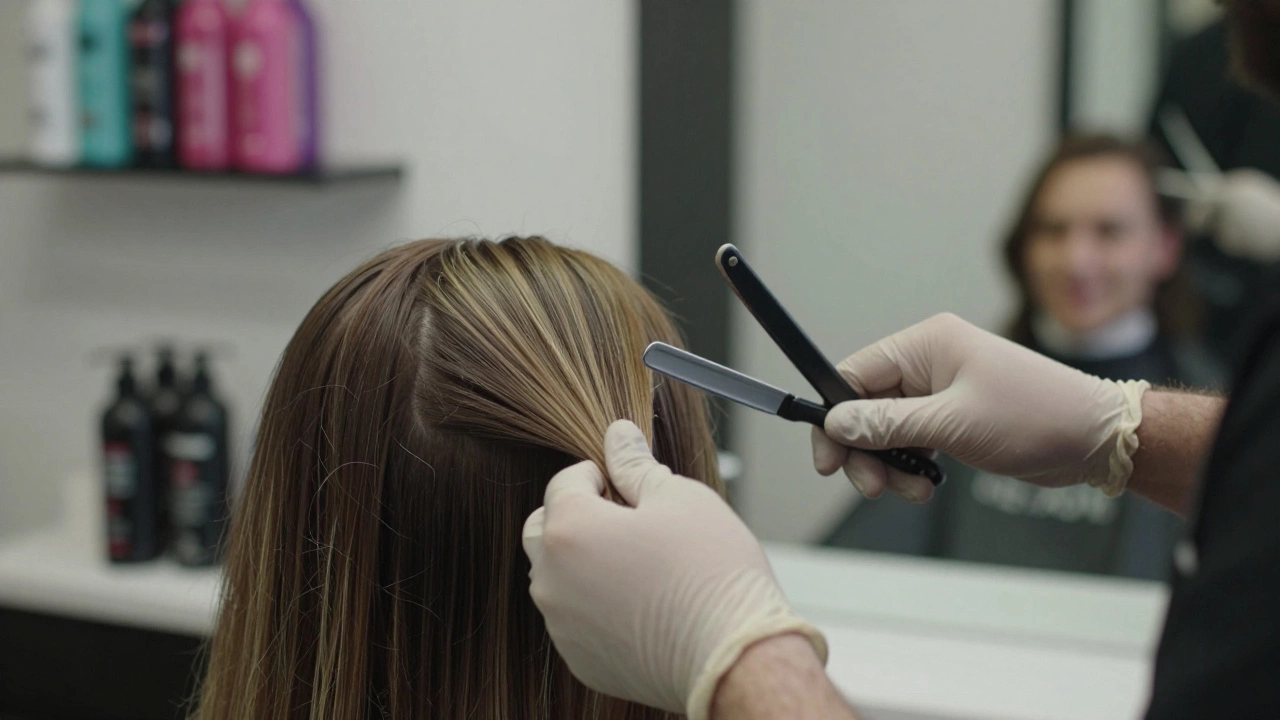
Look at any salon website or menu, and you’ll see titles like:
- Junior Hairdresser
- Senior Hairdresser
- Color Specialist
- Master Stylist
- Lead Stylist
- Barber
You won’t see "Female Hairdresser" or "Lady Stylist." Those terms don’t appear on job listings, pay slips, or NVQ certificates. In fact, using them could even be seen as outdated or unintentionally sexist.
Salons in the UK, like those in Bristol or London, follow strict guidelines from the British Association of Hairdressers and Barbers (BAHB). Their training standards don’t differentiate by gender. Your qualification is your qualification-whether you’re male, female, or non-binary.
What You’ll Learn in Hairdressing Courses
If you’re considering hairdressing courses, here’s what you’ll actually study:
- Scissor and clipper techniques
- Chemical processes (coloring, bleaching, perming)
- Scalp and hair health
- Client consultation and communication
- Salon hygiene and safety (including COSHH regulations)
- Working with different hair textures-curly, fine, thick, Afro-textured
None of these modules ask whether you’re a man or a woman. They assume you’re a professional learning a craft. And that’s how it should be.
Many students in these courses are women-but so are many of the top earners and salon owners. In fact, according to the UK’s Skills for Hairdressing report (2025), 78% of qualified hairdressers are women, but 42% of salon owners are men. That gap is shrinking fast as more women take leadership roles.
Why the Confusion Persists
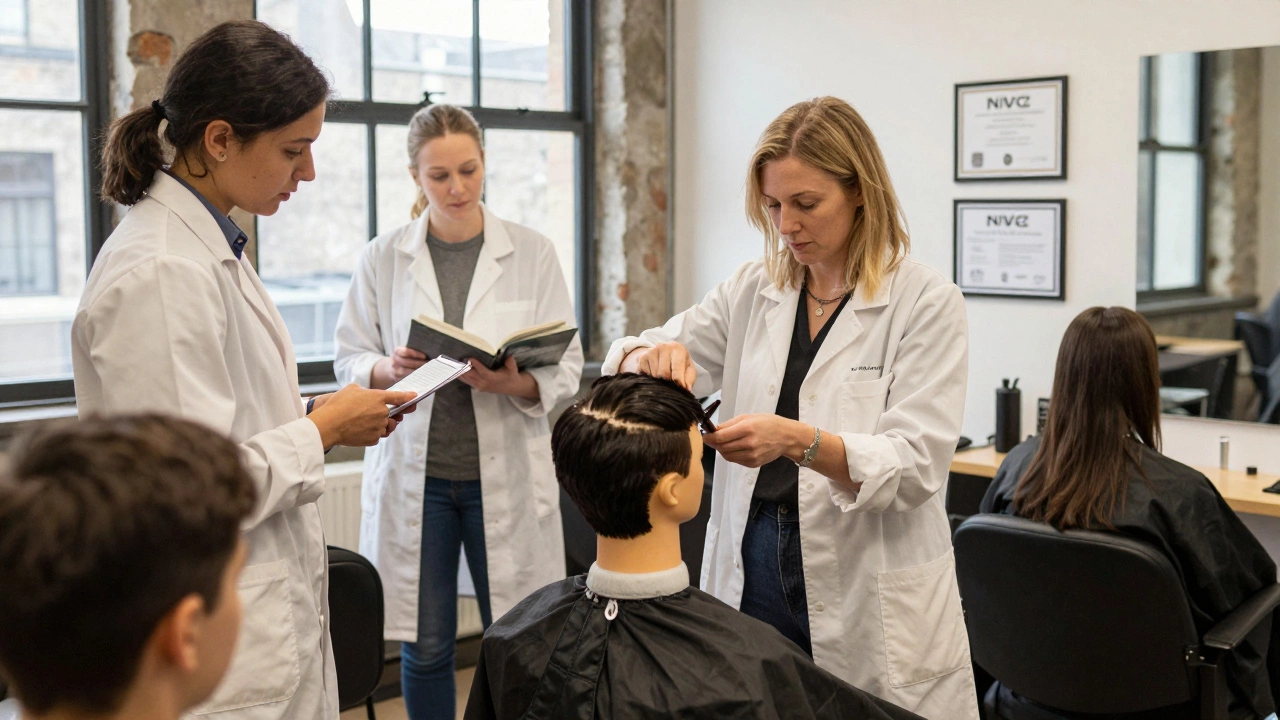
Some people still think "hairdresser" is a woman’s job because of how the industry looked 40 years ago. Back then, barbershops were mostly male-run, and salons were mostly female-run. But that split is gone.
Today, you’ll find men working in salons doing intricate color work. You’ll find women cutting men’s hair in barbershops. One of the most respected barbers in Bristol is a woman who trained in London and now teaches at a local NVQ center.
Language lags behind reality. We still say "stewardess" instead of "flight attendant," even though we changed it decades ago. Same here. The industry moved on. The words just haven’t caught up for everyone.
What to Call Yourself After Training
Once you finish your hairdressing courses and earn your Level 2 or Level 3 NVQ, you’ll be officially qualified as a:
- Qualified Hairdresser
- Professional Hair Stylist
- Certified Barber (if you took barbering modules)
Don’t add "female" before any of those. It’s unnecessary. Your skills, your portfolio, your client reviews-that’s what matters.
When you start working, your clients won’t care if you’re a man or a woman. They’ll care if you listen, if your cuts are clean, if your color looks natural, and if they leave happy. That’s the real title: reliable professional.
Final Thought: It’s About Respect, Not Labels
Asking "what is a female hairstylist called?" isn’t wrong. It comes from curiosity. But the answer isn’t about finding a new word. It’s about letting go of old assumptions.
The industry doesn’t need gendered terms. It needs skilled people. Whether you’re a woman starting your first apprenticeship or a man switching careers from construction, you’re entering a field where talent matters more than gender.
So if you’re thinking about hairdressing courses, don’t get hung up on titles. Get your hands on the scissors. Learn the chemistry. Build your client list. And when someone asks what you do, just say: "I’m a hairdresser."
Is "hairdresser" only for women?
No. "Hairdresser" is a gender-neutral term used for anyone who cuts, colors, or styles hair, regardless of gender. Men can be hairdressers, and women can be barbers. The title is based on skill, not identity.
What’s the difference between a barber and a hairdresser?
Barbers are trained to use clippers and razors, typically for men’s cuts, fades, and beard shaping. Hairdressers are trained in scissors, coloring, and styling all hair types, including long and curly hair. But many professionals now train in both, and gender doesn’t determine who does which.
Can women work in barbershops?
Yes. Many barbershops today employ women, especially as clients demand more inclusive services. In fact, some of the most popular barbershops in Bristol have female barbers who specialize in modern men’s cuts and beard grooming.
Do I need special training to be called a stylist?
Not officially. "Stylist" is often used informally for experienced hairdressers who handle color, extensions, or special occasions. But in formal settings like NVQ qualifications, you’re certified as a hairdresser or barber first. "Stylist" usually comes with seniority and client trust.
Are there any legal terms I must use after certification?
Yes. After completing your NVQ Level 2 or 3, you’re legally recognized as a "Qualified Hairdresser" or "Qualified Barber," depending on your course. You should use those exact terms on your CV and business cards. Avoid adding "female" or "male"-it’s not required and can raise questions about professionalism.


Write a comment