
Hairdressing Career Suitability Calculator
Career Suitability Assessment
This tool helps you evaluate if hairdressing is a sustainable career for you based on key challenges described in the article.
Key Challenges
- 73% experience chronic back pain
- 58% feel emotionally drained weekly
- Average income: $32,000/year
- 58% feel emotionally drained weekly
- 2.3x higher asthma risk
- 50% quit within 3 years
Being a hairdresser sounds glamorous-snipping hair, coloring locks, making people feel confident. But if you’re thinking about this career, you need to know what most people don’t tell you. Behind the mirrors and blow dryers, there’s a lot of physical strain, emotional labor, and financial uncertainty. This isn’t just a job. It’s a lifestyle. And it comes with real costs.
Physical Toll on Your Body
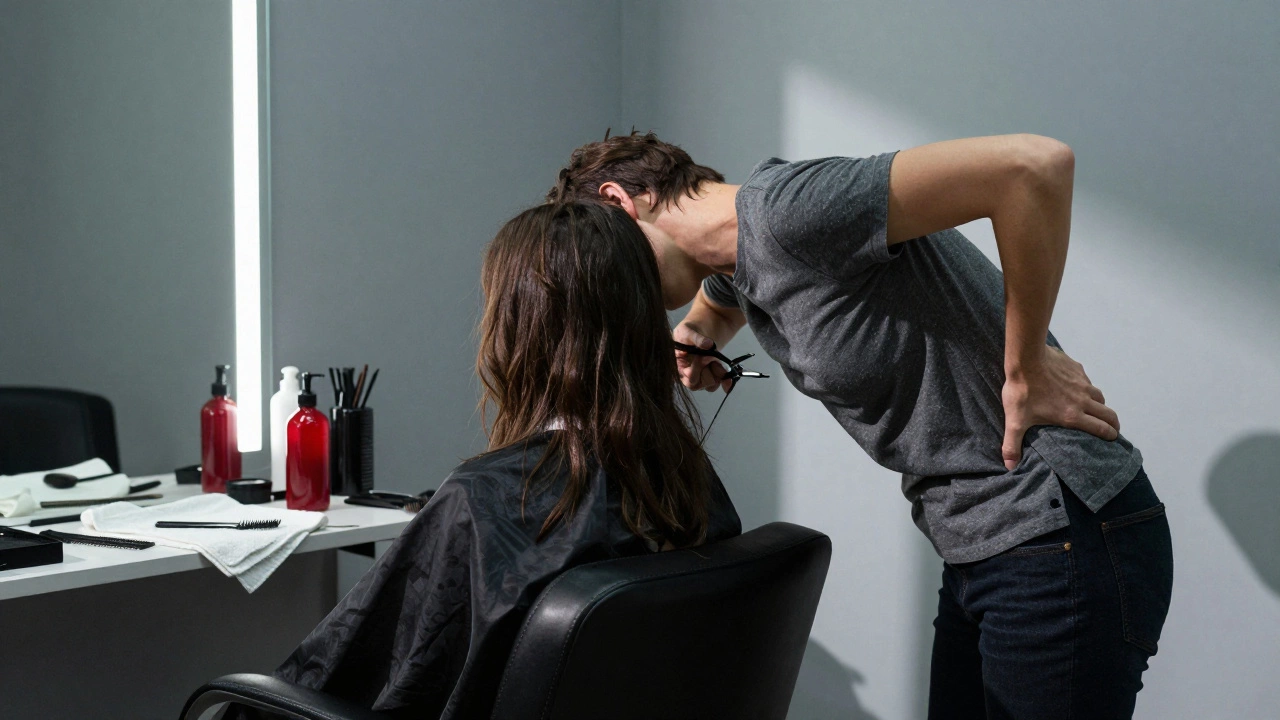
You stand for 8 to 10 hours a day, often on hard floors. Your back, shoulders, and feet take the hit. A 2024 study from the UK Hairdressing Council found that 73% of hairdressers report chronic lower back pain, and 61% suffer from wrist or hand strain. Why? Constant leaning over chairs, lifting heavy shears, holding arms up for hours. No one warns you that your body will start breaking down before you hit 40. Some hairdressers end up needing cortisone shots, physical therapy, or even surgery just to keep working.
Income Isn’t Stable
Most hairdressers don’t get a steady paycheck. You’re paid by commission, tips, or booth rent. That means your income swings with the season, the economy, or even how many clients cancel because they’re sick. In 2025, the average hairdresser in the US earned $32,000 a year-but that’s before taxes, supplies, and salon fees. High-end salons take 40-50% of your earnings. If you rent a chair, you’re paying $500-$1,200 a month just to have a spot. No sick days. No paid vacation. If you miss a day, you lose money. There’s no safety net.
Emotional Exhaustion
You’re not just cutting hair. You’re a therapist, a listener, a confidant. Clients talk about divorce, layoffs, family drama, and health scares. You smile. You nod. You remember their kid’s name. But you can’t vent back. You can’t say, “I’m tired too.” Over time, this emotional labor wears you down. Burnout isn’t rare-it’s common. A 2023 survey of 1,200 salon workers found that 58% felt emotionally drained by the end of the week. And it’s not just clients. You’re also dealing with demanding owners, last-minute schedule changes, and angry people who blame you when their color turns orange.
Constant Learning Pressure
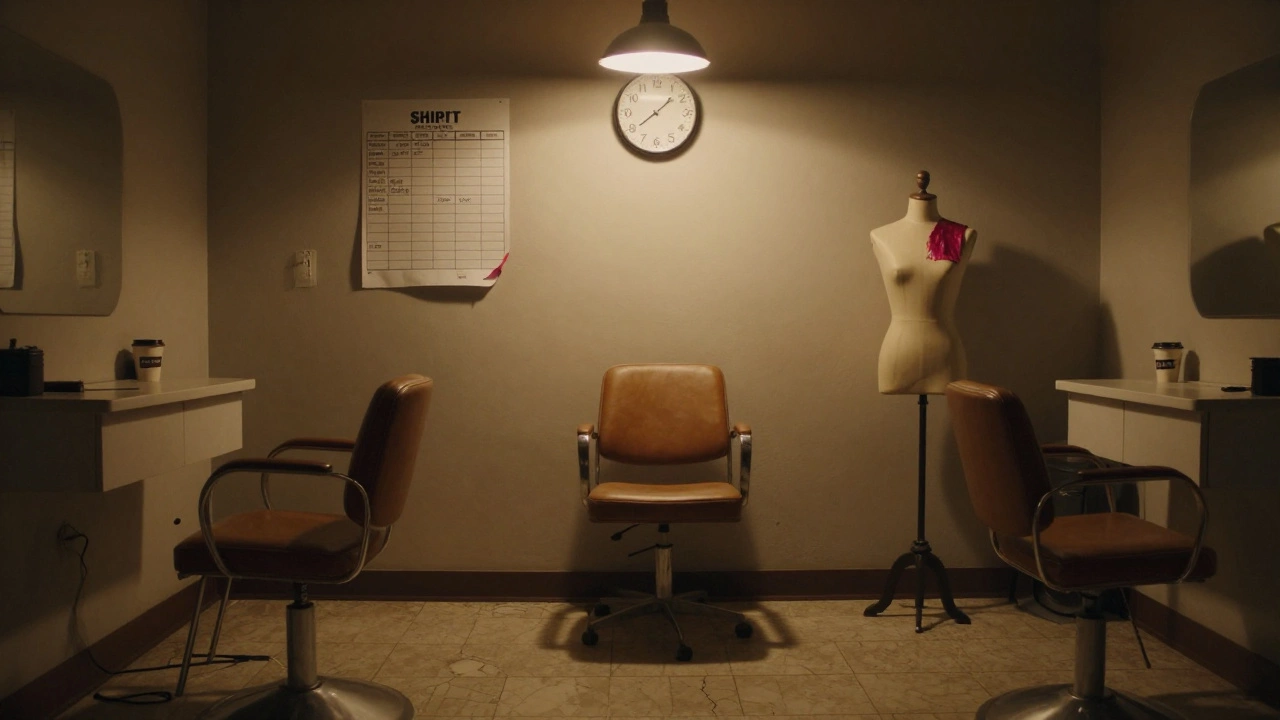
Trends change faster than ever. One month it’s curtain bangs. The next, it’s shaved sides with silver roots. If you don’t keep up, you lose clients. That means constant training-online courses, workshops, product demos. Most of it isn’t paid. You’re expected to spend your weekends learning new techniques, buying new tools, and practicing on mannequins. And if you skip a few months? Clients notice. They leave. And you’re back to square one.
Unpredictable Hours and No Work-Life Balance
Saturday and Sunday? Those are your busiest days. Holidays? You’re working. Family dinners? You miss them. Your kids’ soccer games? You’re holding a blow dryer. You can’t just quit at 5 p.m. because a client wants to reschedule. You’re always on call. And if you try to take a day off, the salon owner says, “We’re short-staffed.” There’s no real separation between work and personal life. You’re always “on,” even when you’re home.
Exposure to Harmful Chemicals
Every time you bleach, dye, or perm hair, you’re breathing in fumes. Ammonia, peroxide, formaldehyde-these aren’t harmless. Long-term exposure has been linked to respiratory issues, skin allergies, and even higher risks of certain cancers. A 2022 study in the Journal of Occupational Health found that hairdressers had 2.3 times higher rates of asthma than the general population. And while some salons have ventilation systems, most don’t. You’re expected to wear gloves, but gloves don’t stop inhalation. You’re at risk every day, and you’re rarely told how serious it is.
Limited Career Growth
There’s a ceiling. You can become a senior stylist. Maybe a salon manager. But beyond that? Options are thin. You can’t easily move into corporate roles, remote work, or tech fields. There’s no clear path to leadership unless you open your own salon-which means taking on debt, legal risks, and managing people. Most hairdressers stay in the same chair for decades because there’s nowhere else to go. And if you want to switch careers later? Your skills don’t transfer. You start over.
High Turnover and Low Morale
Half of all new hairdressers quit within the first three years. Why? The combination of physical pain, low pay, emotional fatigue, and no recognition adds up. Salons often treat stylists as replaceable. You’re not valued as a professional-you’re a cog in the machine. When you finally leave, you’re not moving up. You’re just leaving a job that broke you down. And the cycle continues. New people walk in, full of hope. They don’t know what’s coming.
It’s Not Just About Hair
People think hairdressing is about creativity. But it’s really about endurance. You’re not just a stylist-you’re a worker in a high-pressure, low-reward service industry. The glamour is a marketing trick. The reality? You’re tired. You’re sore. You’re stressed. And you’re often alone with it.
If you’re considering this career, go in with your eyes open. Talk to stylists who’ve been in it 10+ years. Ask them what they wish they’d known. Don’t just watch Instagram influencers. Look at the people still standing-and whether they’re really happy.
Is hairdressing a good career for someone who wants work-life balance?
No. Hairdressing demands long, irregular hours, especially on weekends and holidays. Most stylists work 50+ hours a week and often miss family events. There’s little flexibility unless you own your own salon, which brings its own pressures.
Do hairdressers make good money?
It depends. Entry-level stylists often earn minimum wage or less after salon fees. Even experienced stylists rarely make over $50,000 without owning their business. Most rely on tips and commissions, which fluctuate. High-end salons take a large cut, and booth renters pay rent regardless of income.
Are there health risks from working with hair products?
Yes. Long-term exposure to ammonia, peroxide, and formaldehyde in hair dyes and relaxers increases risks of asthma, skin irritation, and respiratory issues. A 2022 study found hairdressers had over twice the rate of asthma compared to the general public. Proper ventilation and protective gear help, but aren’t always provided.
Why do so many hairdressers quit within three years?
The combination of physical strain, emotional burnout, low pay, and lack of career advancement leads to high turnover. Many enter with passion but leave because the reality-constant standing, unpredictable income, and client demands-is unsustainable without support.
Can you advance in a hairdressing career?
Advancement is limited. You can become a senior stylist, trainer, or salon manager. But true upward mobility is rare. To move beyond that, you usually need to open your own salon-which requires capital, business skills, and risk. Most stylists stay in the same role for years because few other paths exist.



Write a comment