Can I Teach Myself to Cut Hair? Here’s What Actually Works
Yes, you can teach yourself to cut hair-but only if you start with the basics, use the right tools, and avoid common mistakes. Learn how to cut safely at home without a course.

When you try a DIY haircut, a self-guided hair cutting session done at home without professional help. Also known as at-home hair cutting, it’s become a practical choice for millions who want to save time, money, or just experiment with their look. It’s not just about scissors and a mirror—it’s about understanding your hair type, knowing which tools actually work, and learning how to trim without making mistakes that take weeks to grow out.
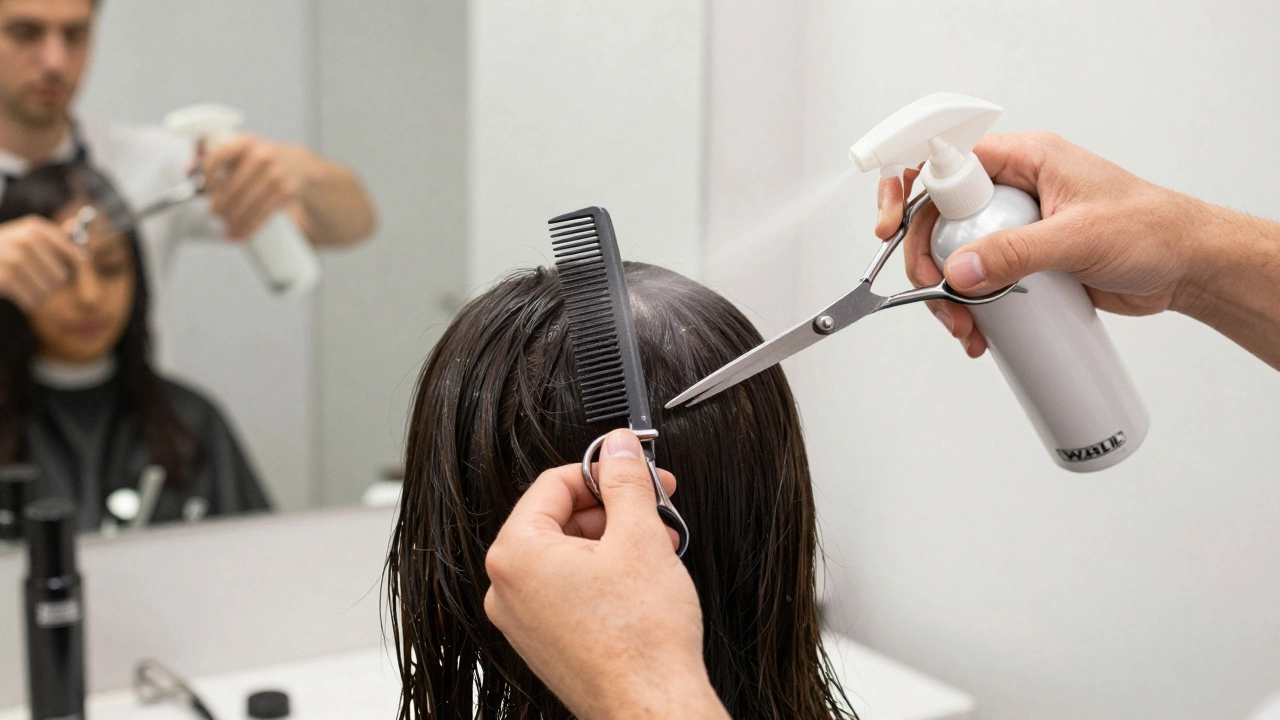
Most people who try DIY haircuts start because they’re tired of salon prices or long waits. But the real challenge isn’t the scissors—it’s knowing where to cut. A bad cut can ruin your confidence, and online tutorials often skip the basics. That’s why successful DIY haircuts rely on three things: the right tools, a clear plan, and patience. You don’t need a cosmetology degree. You do need a good pair of thinning shears, a comb, clips, and a mirror that lets you see the back of your head. Some people even use a barber cape or an old towel to catch the hair and keep the floor clean.
There’s a big difference between trimming split ends and giving yourself a full cut. If you’ve watched videos of people cutting their own bangs and think it’s easy, you’re not alone—but most of those videos leave out the messy middle. Real success comes from practicing on small sections first, using the point-cutting method for texture, and never rushing. People who stick with it often start with simple trims, then move to layering and shaping. And yes, you can learn this online. Some of the best online hairdressing courses, structured video lessons that teach hair cutting techniques for home use focus on real-world feedback, not just flashy edits.
What makes DIY haircuts different from salon work isn’t skill—it’s control. In a salon, your stylist reads your hair’s movement, thickness, and growth pattern. At home, you have to learn to do that yourself. That’s why many beginners start with their hair damp, not dry, because it’s easier to see where the weight falls. And if you’ve ever wondered why your bangs look uneven after a cut, it’s often because you didn’t section your hair properly. Clipping hair into sections keeps things even and prevents overcutting.
You don’t need to be a professional to give yourself a decent cut. But you do need to treat it like a skill you’re building—not a one-time fix. The same people who learn to cut their own hair often start learning how to style it, use products, and even fix mistakes with texturizing. Some even go on to take NVQ hairdressing, a UK vocational qualification that proves you can perform hairdressing tasks to industry standards courses later. Others stick with DIY because it just works for their lifestyle.
What you’ll find in the posts below isn’t just theory. It’s real advice from people who’ve done it—what tools they bought, which YouTube videos actually helped, and how they fixed their first bad cut. Whether you’re thinking about trimming your own hair for the first time or you’ve been doing it for months and want to level up, the guides here cover the gaps most tutorials ignore. No fluff. No hype. Just what you need to cut your hair better, safer, and with more confidence.
 1 Dec 2025
Yes, you can teach yourself to cut hair-but only if you start with the basics, use the right tools, and avoid common mistakes. Learn how to cut safely at home without a course.