
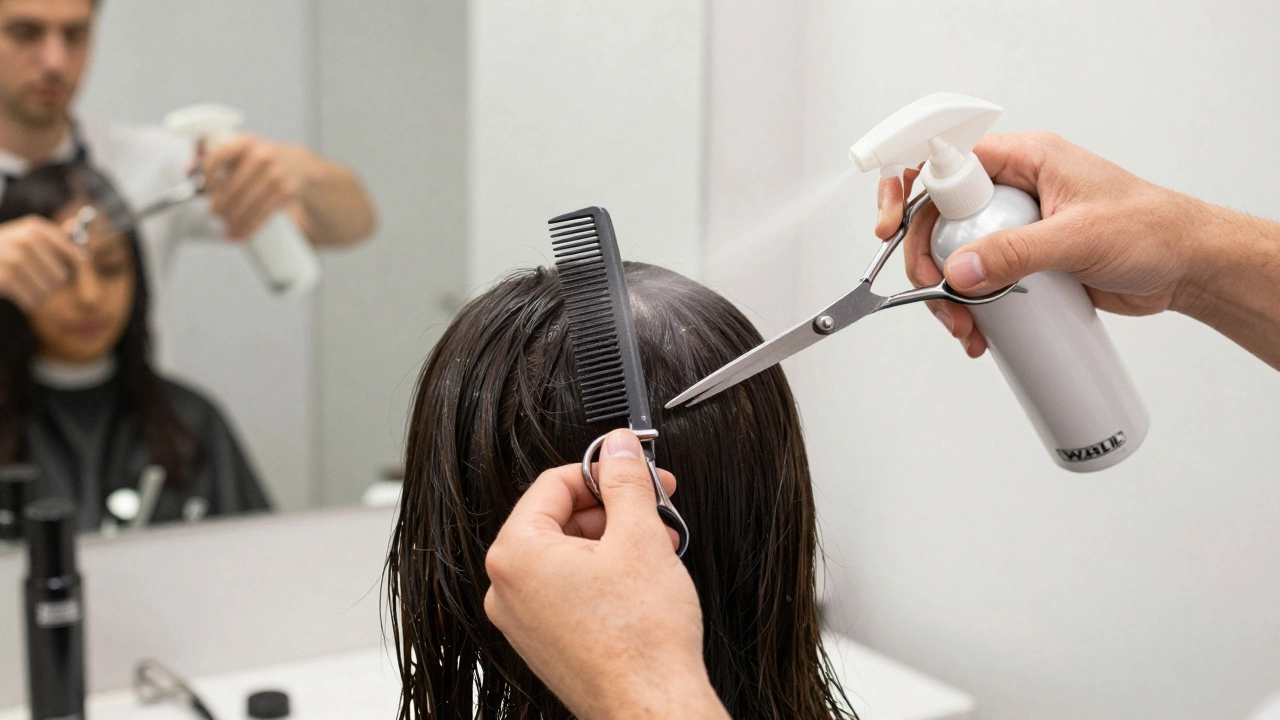
Can you really cut your own hair-or your family’s-and not end up looking like a startled hedgehog? The answer isn’t a simple yes or no. It’s more like: yes, but only if you know what you’re doing.
Thousands of people tried cutting their own hair during the pandemic. Some got lucky. Most didn’t. But that doesn’t mean self-taught haircuts are impossible. It just means most people skip the basics and jump straight to the scissors.
Why Most DIY Haircuts Fail
It’s not that the tools are bad. It’s not even that you’re clumsy. The real problem? You don’t know what you’re trying to achieve.
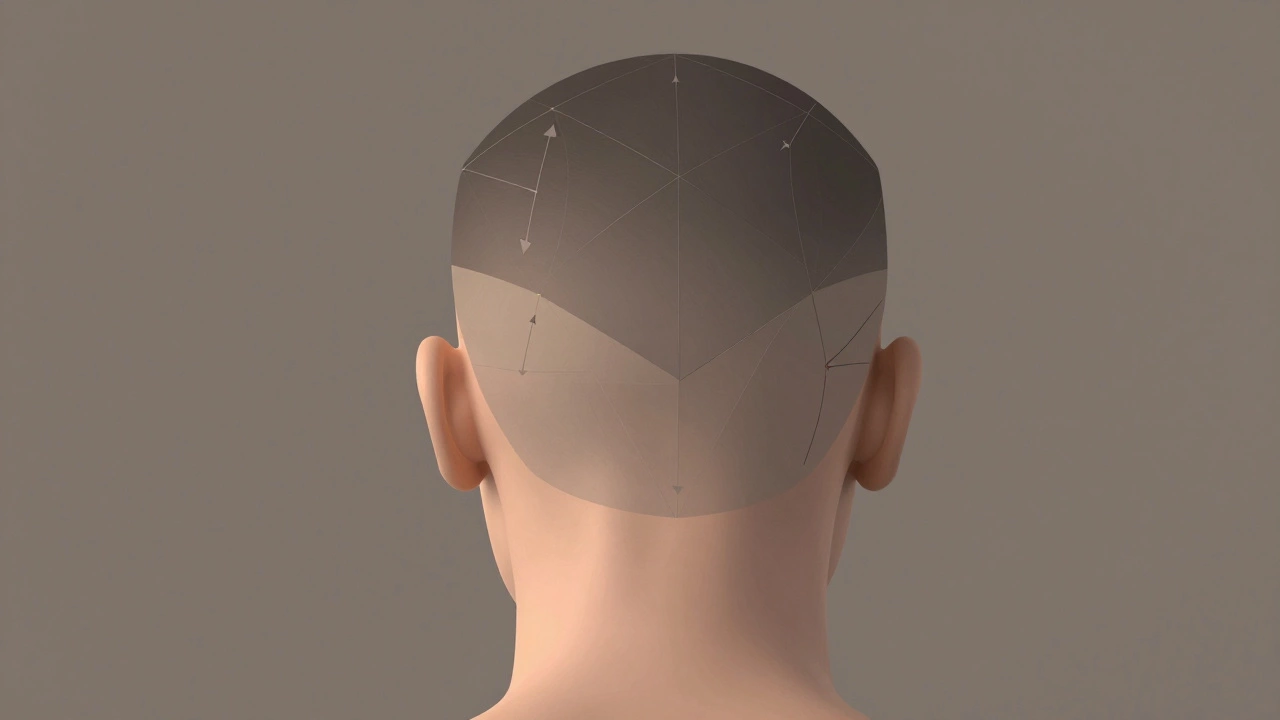
Think about it: when a professional cuts hair, they’re not just chopping off length. They’re balancing weight, shaping the crown, managing texture, and aligning growth patterns. A beginner sees a long fringe. A pro sees a 15-degree angle, a transition zone, and a line that needs to follow the natural curve of the head.
Without understanding these principles, you’re just guessing. And guessing with scissors is how you end up with uneven layers, bald patches behind the ears, or a neckline that looks like a jagged line drawn by a toddler.
What You Actually Need to Start
You don’t need a $500 set of clippers. You don’t need a salon chair. You need three things:
- A good pair of hair-cutting shears (not kitchen scissors)
- A fine-tooth comb
- A spray bottle with water
That’s it. You can buy professional-grade shears for under £40. Look for brands like Wahl a trusted brand in professional hair cutting tools since 1919, known for durability and precision, Andis a leading manufacturer of professional hair clippers and shears, widely used in salons across the UK, or even Laube a German-made brand offering high-quality hairdressing shears with ergonomic design. Avoid cheap sets from Amazon that say "professional" but weigh like plastic toys.
Why water? Wet hair is easier to control. Dry hair flies around, hides unevenness, and makes it impossible to see your lines. Mist it lightly-don’t soak it.
And never, ever cut hair when it’s dirty. Oils and product buildup make the blades slip and create uneven tension. Wash and towel-dry first.
Start with the Basics: The Buzz Cut
If you’ve never cut hair before, don’t try to layer your fringe. Start with a buzz cut. It’s forgiving. It teaches you control. And it’s the fastest way to build confidence.
Here’s how:
- Wash and towel-dry your hair. Let it dry naturally-no blow-drying.
- Attach a #4 guard to your clippers. This leaves about 12mm of hair.
- Start at the nape of the neck. Move upward in slow, even strokes. Don’t rush.
- Work your way around the head in three sections: back, sides, top.
- Check for symmetry. Look in a mirror from every angle.
- Switch to a #3 guard for the sides if you want a tighter fade.
- Use the clippers without a guard to clean up the neckline. Draw a straight line from ear to ear, just above the collar.
That’s it. No fancy techniques. No blending. Just clean lines. Do this once a week for a month, and you’ll start to feel how the hair responds to pressure, angle, and speed.
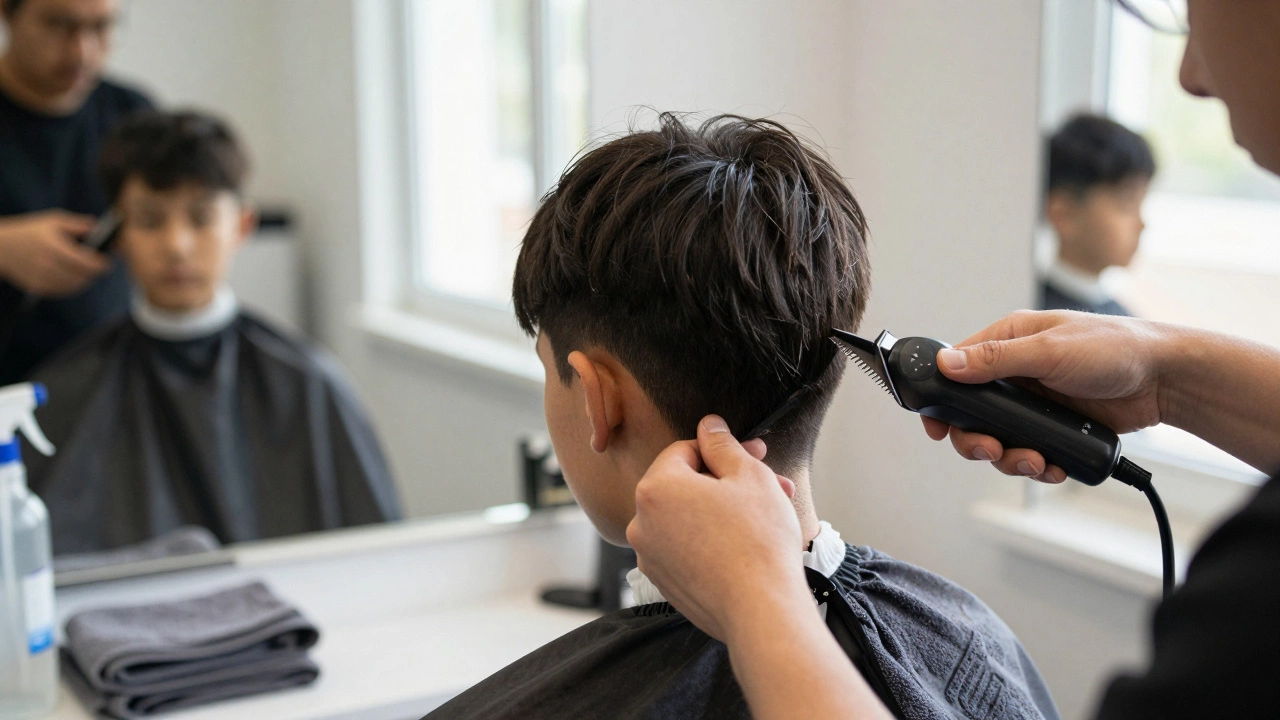
Moving Beyond the Buzz: Learning to Cut Layers
Once you’re comfortable with clippers, you can start using shears. The next step? Cutting a basic blunt cut or a simple layered look.
Here’s the golden rule: cut less than you think you need to.
Most people cut too much on the first try. Hair shrinks when it dries. If you cut it wet and it looks short, wait 24 hours. It’ll look even shorter.
For a blunt cut:
- Section the hair into one horizontal panel at the nape.
- Comb it straight down.
- Pinch a small strand between your fingers, about 1 inch thick.
- Hold the shears parallel to your fingers and cut straight across.
- Repeat this around the entire head, always using the last cut as your guide.
For layers:
- Start at the back. Take a horizontal section and comb it straight out.
- Hold the hair at a 45-degree angle from your head.
- Cut diagonally upward-this creates soft, graduated layers.
- Move up the head in 1-inch sections, always using the previous cut as your reference.
Use a mirror behind you. Watch your angles. If you’re unsure, stop. Wait. Look again.
Common Mistakes (And How to Avoid Them)
Even experienced people mess up. Here are the top five mistakes-and how to fix them before they happen:
- Cutting too much at once → Always cut in small increments. You can always cut more. You can’t glue hair back on.
- Ignoring growth patterns → Hair grows in different directions on the crown and nape. Comb it naturally before cutting, don’t force it straight.
- Using dull shears → Dull blades tug and fray hair. Replace them every 6-12 months if you’re cutting regularly.
- Not using a comb → A comb lifts hair evenly. Cutting without one = uneven results.
- Trying to copy TikTok tutorials → Those are edited. They skip the messy parts. Real hair doesn’t fall into perfect layers on command.
When to Stop and Call a Pro
There’s a line between learning and risking damage. Cross it, and you might need a wig-or a very long grow-out.
Stop and book a salon appointment if:
- You’re cutting someone else’s hair and they’re not happy
- You’ve created a bald spot or a visible patch
- You’re cutting curly or thick hair and it’s frizzing out uncontrollably
- You’ve tried three times and it still looks uneven
There’s no shame in calling a professional. Even barbers go to other barbers. This isn’t about skill-it’s about knowing your limits.
What You Can Learn Without a Course
You don’t need a £2,000 NVQ course to learn the basics. YouTube has thousands of free tutorials. But not all of them are good.
Stick to channels that show:
- Real-time cuts (no fast-forwarding)
- Close-ups of the comb and shears
- Explanations of angles and tension
- Before-and-after shots with natural lighting
Good channels to follow: Barber Nation a UK-based channel focused on practical barbering techniques with real client examples, Haircuts by Mike a professional stylist who breaks down cuts for beginners using simple language, and Salon Secrets a channel that explains the why behind each cut, not just the how.
Watch each video twice. Once to see the cut. Once to see how the stylist holds the comb, where they stand, how they section the hair.
Is It Worth It?
Can you teach yourself to cut hair? Yes.
Should you do it instead of going to a salon every time? Maybe.
Most people who learn to cut their own hair save £500-£1,000 a year. They also gain control. No more waiting for appointments. No more "I just want it short" misunderstandings.
But it takes time. It takes patience. And it takes a willingness to fail-quietly-until you get it right.
If you’re willing to practice, learn from your mistakes, and respect the craft, you can absolutely cut your own hair. Not perfectly. Not every time. But well enough to look sharp, save money, and feel proud.
Start small. Be patient. And remember: the best haircut you’ll ever get is the one you can do yourself-with confidence.
Can I cut my own hair without any experience?
Yes, but start with simple styles like buzz cuts or blunt bobs. Avoid complex layers or fades until you’ve practiced for at least a month. Use good tools, wet hair, and cut slowly. Most beginners make mistakes-what matters is learning from them.
What’s the cheapest way to get started?
Buy a pair of professional hair shears (£30-£50), a fine-tooth comb (£5), and a spray bottle (£3). Skip the clippers at first. You don’t need them to learn basic cutting. Practice on a wig or a friend’s hair before trying your own.
How long does it take to get good at cutting hair?
Most people see real improvement after 10-15 practice cuts. That’s about 4-6 weeks if you cut once a week. Mastery takes years-but you don’t need mastery to look neat. Focus on clean lines and even lengths, not perfection.
Can I cut curly hair myself?
It’s harder. Curly hair shrinks when dry, so you must cut it wet and trust the shrinkage. Never cut curly hair dry unless you’re trained. Use the point-cutting technique to reduce bulk without losing shape. Start with a professional trim if you’re unsure.
Do I need a license to cut hair at home?
No, you don’t need a license if you’re cutting for yourself or family. But if you start charging people-even friends-you’re legally required to have a Level 2 NVQ in Hairdressing in the UK. This is about safety, hygiene, and liability-not skill.
What’s the biggest myth about self-taught haircuts?
That you can learn everything from TikTok. Most viral clips skip the boring parts: sectioning, tension control, and trimming mistakes. Real hairdressing is slow, repetitive, and detail-oriented. If a video looks too easy, it’s probably edited.
Next Steps
Here’s what to do next:
- Buy shears, a comb, and a spray bottle this week.
- Watch three tutorial videos from Barber Nation or Haircuts by Mike.
- Practice on a wig or a friend’s hair before your own.
- Track your progress: take a photo before and after each cut.
- After five tries, ask someone you trust: "Does this look even?"
You don’t need to be a stylist. You just need to be consistent. And patient. And willing to learn from every mistake.



Write a comment