
IT Certification Speed Calculator
Select a certification path and configure your study parameters to see how fast you can get certified.
AWS Cloud Practitioner
FastestCloud fundamentals & terminology
- • ~10 hours total
- • Entry-level friendly
Azure Fundamentals (AZ-900)
PopularMicrosoft cloud concepts & services
- • ~20 hours total
- • Proctored exam
Google IT Support
ComprehensiveFull support professional track
- • ~60 hours total
- • Prepares for A+ exam
CompTIA A+
RigorousHardware, software & troubleshooting
- • ~80 hours total
- • Two exams required
HIPAA Compliance
NicheHealthcare privacy regulations
- • ~8 hours total
- • Healthcare focus
CompTIA Security+
AdvancedCybersecurity fundamentals
- • ~100 hours total
- • Industry standard
Your Personalized Timeline
--
Estimated Days
--
Total Weeks
--
Projected Finish Date
Study Breakdown
Pro Tips for Speed:
- Use Anki flashcards for active recall
- Watch video lectures at 1.5x speed
- Take practice tests daily
You don’t need a four-year degree to break into the tech industry. In fact, if you are looking for speed, traditional education is often the wrong path. The real question isn't just "what is easy?" but rather "what can I finish in days or weeks that actually gets me hired?" For many professionals in 2026, the answer lies in specific, high-demand micro-credentials.
Getting certified quickly usually means focusing on foundational knowledge, compliance, or specific tool proficiency rather than deep engineering skills. Some certifications can be completed in a single weekend, while others might take a month of part-time study. Below, we break down the fastest routes to earning a credential that holds weight with employers.
The Under-One-Day Champions
If your goal is sheer speed, there are a handful of certifications designed to be taken almost immediately after a brief review of the material. These are not meant to make you an expert overnight, but they do prove you understand the basics of critical topics like security hygiene and cloud fundamentals.
CompTIA Security+ is widely considered the gold standard for entry-level cybersecurity, but it requires significant study. However, its cousin, Google Cybersecurity Professional Certificate, offers a faster route for beginners. While the full course takes a few months, many candidates find they can pass the associated exam within weeks if they already have some IT background. But even quicker is the Certified Information Systems Auditor (CISA) prep-wait, no, that’s hard. Let’s stick to the truly quick ones.
The absolute quickest valid credentials often come from vendor-specific introductory courses:
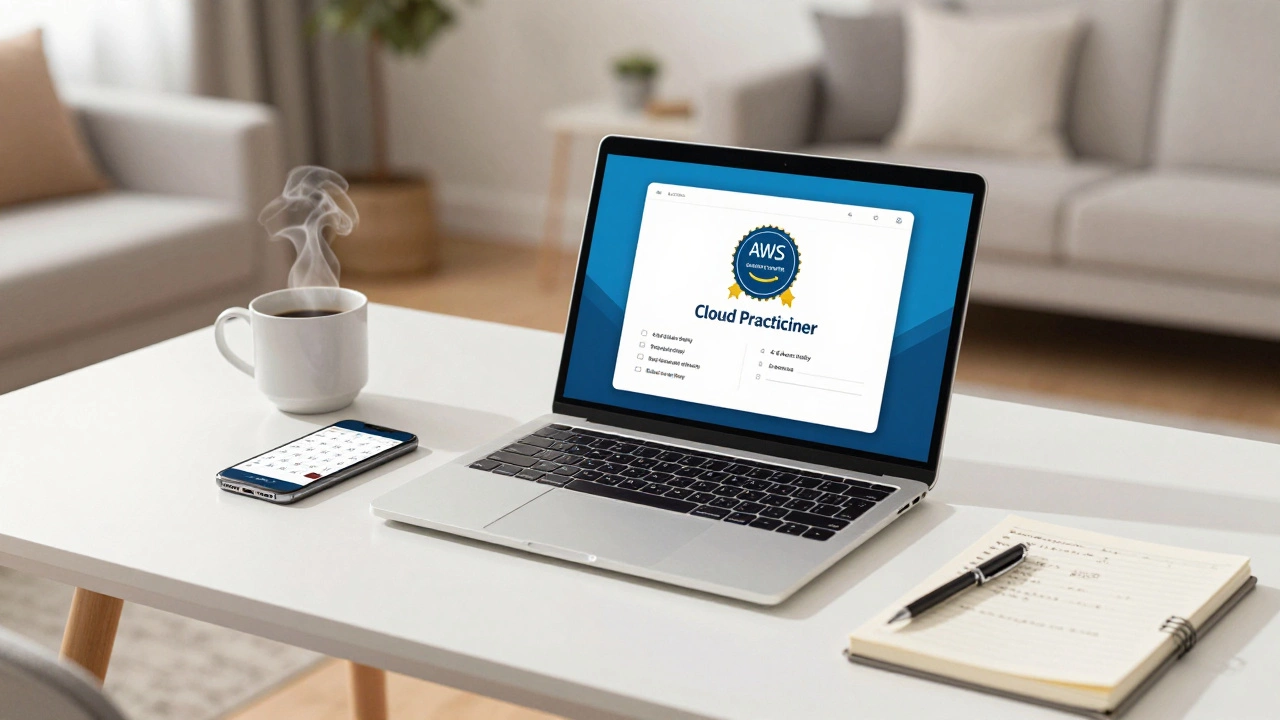
- AWS Cloud Practitioner Essentials: Amazon Web Services offers a free digital training badge upon completing their essential course. It takes about 4-6 hours. It’s not a proctored exam, but it shows initiative and basic familiarity with cloud terminology.
- Microsoft Azure Fundamentals (AZ-900):** This is a proctored exam, but the scope is narrow. If you spend two weekends studying the learning path, you can easily pass this in under 10 days. It validates your understanding of cloud concepts, Azure services, pricing, and support.
- Cisco Networking Basics: Cisco offers several non-credit, self-paced courses that provide digital badges upon completion. These can be finished in a single day and demonstrate basic networking literacy.
These aren't "job-ready" certifications in the sense that they will get you a senior role, but they are perfect for adding keywords to your LinkedIn profile or resume when you are pivoting careers.
The One-Week Sprint: Entry-Level IT Ops
If you are willing to dedicate a week of intense study (say, 2-3 hours a day), you can tackle more rigorous, industry-recognized certifications. The most famous here is CompTIA A+. While traditionally split into two exams, many bootcamps and accelerated study guides allow motivated learners to prepare in 7-10 days if they have prior computer repair experience.
However, there is a newer contender gaining traction: Google IT Support Professional Certificate. Coursera allows you to learn at your own pace. Many users report completing the five-course series in 2-4 weeks by spending 10-15 hours a week. Upon completion, you are eligible to sit for the CompTIA A+ exam, which Google partners with to waive fees for top performers. This is arguably the best balance of speed, cost, and recognition for someone starting from zero.
Compliance and Safety: The Hidden Fast Track
Not all IT work involves coding or fixing servers. A huge portion of the tech industry revolves around data privacy, health information, and workplace safety. These certifications are often overlooked because they sound boring, but they are incredibly fast to obtain and highly valued in healthcare, finance, and government sectors.
| Certification Name | Time to Complete | Cost Estimate | Best For |
|---|---|---|---|
| HIPAA Privacy & Security | 1-2 Days | $50 - $150 | Healthcare IT staff |
| GDPR Foundation | 2-3 Days | $100 - $300 | Data handlers in EU/UK markets |
| OSHA 10-Hour General Industry | 1 Day | $50 - $100 | Field technicians, data center workers |
For example, if you are working in a hospital’s IT department, having a HIPAA Compliance certificate can be as valuable as a technical cert. You can often complete these online modules in a single afternoon. They require no complex memorization, just an understanding of legal frameworks. This makes them ideal for people who need to boost their employability in regulated industries without spending months studying.
Why "Quick" Doesn't Mean "Easy"
It is important to manage expectations. A quick certification usually covers a broad surface area rather than deep expertise. Passing the Azure Fundamentals (AZ-900) exam does not make you a cloud architect. It makes you literate in cloud language. Employers know this. They use these quick certs as filters to see if you have the discipline to learn and the basic vocabulary to communicate.
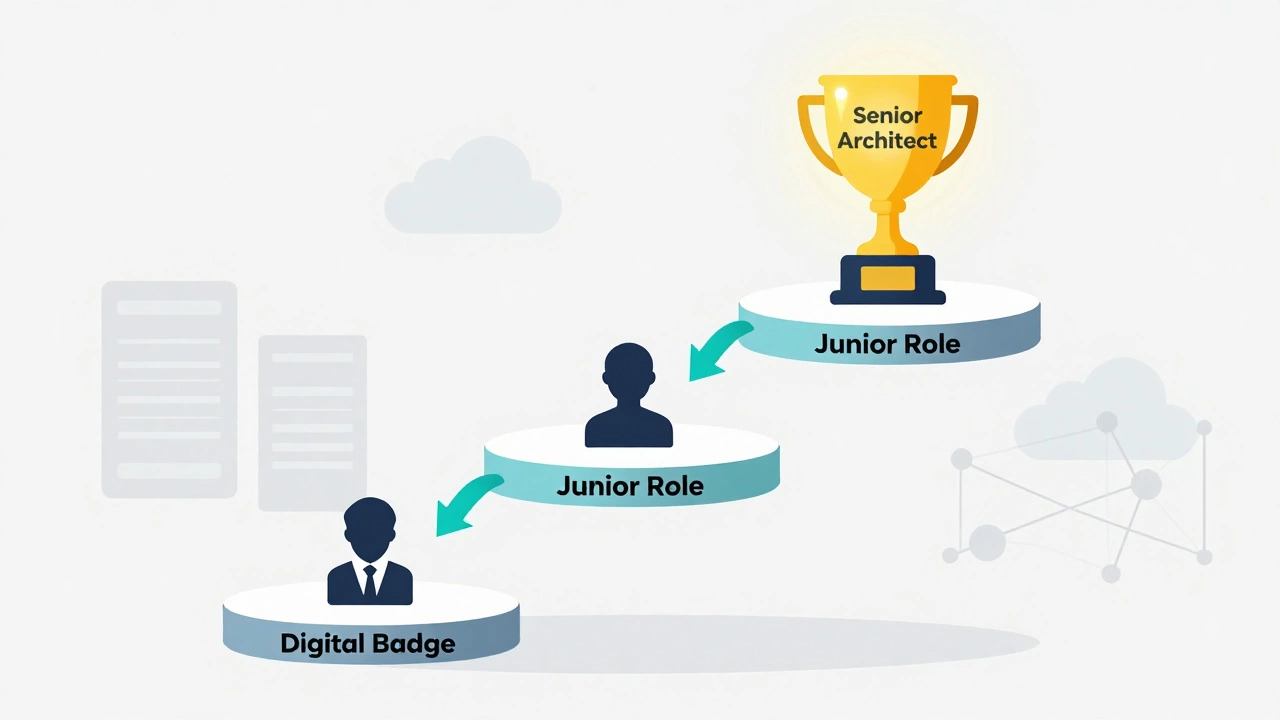
The strategy here is stacking. You don’t stop at the quick cert. You use it as a foothold. For instance:
- Get the AWS Cloud Practitioner badge (1 week).
- Use that knowledge to land an internship or junior helpdesk role.
- While working, study for the AWS Solutions Architect Associate (3-6 months).
This ladder approach is far more effective than trying to jump straight into a difficult, time-consuming certification like CISSP or CCNP without any foundational experience.
Tools That Speed Up Your Study
To achieve these timelines, you cannot rely on passive reading. You need active recall and spaced repetition. Here are the tools that serious candidates use in 2026 to cut study time in half:
- Anki: A flashcard app that uses algorithms to show you cards right before you forget them. Download pre-made decks for CompTIA or AWS exams to save hours of card creation.
- Exam Comps: Platforms like Boson or TutorialsDojo offer practice tests that mimic the actual exam engine. Taking a practice test every day gives you immediate feedback on weak areas.
- YouTube Playlists: Channels like Professor Messer (for CompTIA) or FreeCodeCamp (for various topics) provide structured, free video lectures. Watching at 1.5x speed is common among fast-track students.

Common Pitfalls to Avoid
Rushing leads to mistakes. The biggest error people make when seeking quick certifications is skipping the hands-on labs. You might memorize the definition of a Virtual Private Cloud (VPC), but if you haven’t clicked through the console to create one, you won’t retain the knowledge long-term. Even in a rush, spend at least 20% of your time doing practical exercises. Use free tiers of AWS, Azure, or Google Cloud to build something small. This practical context cements the theory faster than rote memorization ever could.
Another pitfall is choosing a certification that is too niche. Don’t get a quick cert for a software product that only three companies use. Stick to major platforms (Microsoft, Amazon, Google, Cisco, CompTIA) where the credential has universal recognition. This ensures your quick effort translates into broader job opportunities.
Is It Worth It?
In the competitive job market of 2026, yes. Recruiters use Applicant Tracking Systems (ATS) to filter resumes. Keywords matter. Having "CompTIA A+" or "Azure Fundamentals" on your resume helps you pass the initial automated screen. It signals that you are proactive and technically literate. While it may not guarantee an interview, it significantly increases your chances compared to having no credentials at all. For career changers, recent graduates, or those looking to pivot into IT operations, these quick wins are essential stepping stones.
What is the absolute fastest IT certification to get?
The fastest recognized credentials are digital badges from providers like AWS Cloud Practitioner Essentials or Microsoft Learn paths, which can be completed in 4-8 hours. For proctored exams, the Microsoft Azure Fundamentals (AZ-900) is often achievable in 5-7 days of focused study for beginners.
Can I get an IT certification in one day?
You can complete non-proctored training modules and earn digital badges in one day. However, passing a rigorous, proctored exam like CompTIA A+ or Security+ in a single day is highly unlikely unless you have extensive prior experience. Most proctored exams require at least a week of preparation.
Are quick certifications respected by employers?
Yes, especially for entry-level roles. Employers view them as proof of initiative and basic competency. They are particularly useful for getting past ATS filters. However, they are seen as foundational; you will likely need deeper certifications later in your career to advance to senior positions.
Which certification is best for a complete beginner?
The Google IT Support Professional Certificate is excellent for beginners because it provides structured learning and prepares you for the CompTIA A+ exam. Alternatively, the Microsoft Azure Fundamentals (AZ-900) is great if you are interested in cloud computing specifically.
How much do quick IT certifications cost?
Digital badges and training modules are often free or low-cost ($50-$150). Proctored exams typically range from $100 to $300. For example, the AZ-900 exam costs around $99, while CompTIA A+ exams are approximately $250 each. Look for bundle deals or employer-sponsored training to reduce costs.



Write a comment