
OSHA Training Path Finder
Confused about which OSHA card you need? Answer the questions below to find your recommended training track.
Recommended Certification
Quick Reference Comparison
| Feature | Construction | General Industry |
|---|---|---|
| Focus | Falls, Struck-by, Electrocution, Caught-in/between | Chemical Hazards, Machine Guarding, Ergonomics, Fire Safety |
| Regulation | 29 CFR Part 1926 | 29 CFR Part 1910 |
| Typical Roles | Carpenters, Electricians, Crane Operators | Nurses, Factory Workers, Warehouse Staff, Teachers |
Real-World Scenarios
Scenario 1: The New Electrician
Context: Starting an apprenticeship on a commercial building project.
Need: OSHA Construction 10-Hour
Reason: You are working on a construction site. General Industry does not cover scaffold inspection or trenching safety required here.
Scenario 2: The Warehouse Supervisor
Context: Managing a team in a distribution center with forklifts and chemical spills.
Need: OSHA General Industry 30-Hour
Reason: Not building structures. Need supervisory knowledge for risk assessments and safety meetings.
Scenario 3: The Hospital Nurse
Context: Patient care involving sharps and lifting patients.
Need: OSHA General Industry 10-Hour
Reason: Baseline safety knowledge valued by employers, especially for travel nurses. Construction training is irrelevant.
You walk onto a job site or into a factory floor, and the first thing you see is a laminated card in someone’s wallet. It’s an OSHA training card. But wait-OSHA isn’t just one big bucket of rules. If you’re trying to figure out which certification you actually need, you might be confused by terms like "General Industry" and "Construction." Are they different? Yes. Do you need both? Probably not.
Here’s the truth: There are two main types of OSHA outreach training that most workers and employers care about. One is for people building things (construction), and the other is for everyone else (general industry). Getting this wrong can mean wasted money, failed inspections, or worse, unsafe practices on the job. Let’s break down exactly what these two tracks are, who needs them, and how to pick the right one without guessing.
The Core Distinction: Who Is Covered?
The Occupational Safety and Health Administration (OSHA) splits its training programs based on the type of work environment. This isn’t arbitrary; it’s because the hazards on a skyscraper frame are wildly different from those in a hospital kitchen or a manufacturing plant.
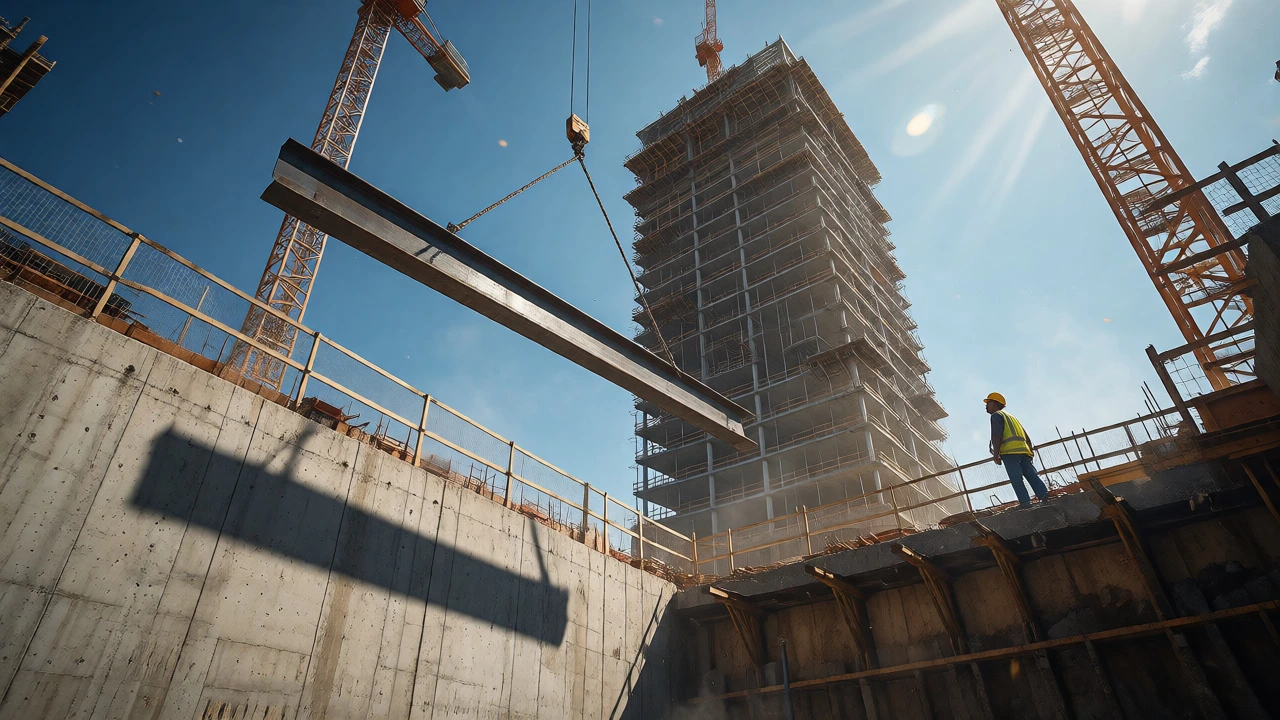
OSHA Construction Outreach Training is designed for workers in the construction sector, covering specific hazards like falls, electrocution, and struck-by incidents. Think scaffolding, excavations, and heavy machinery. The standards here are under 29 CFR Part 1926.
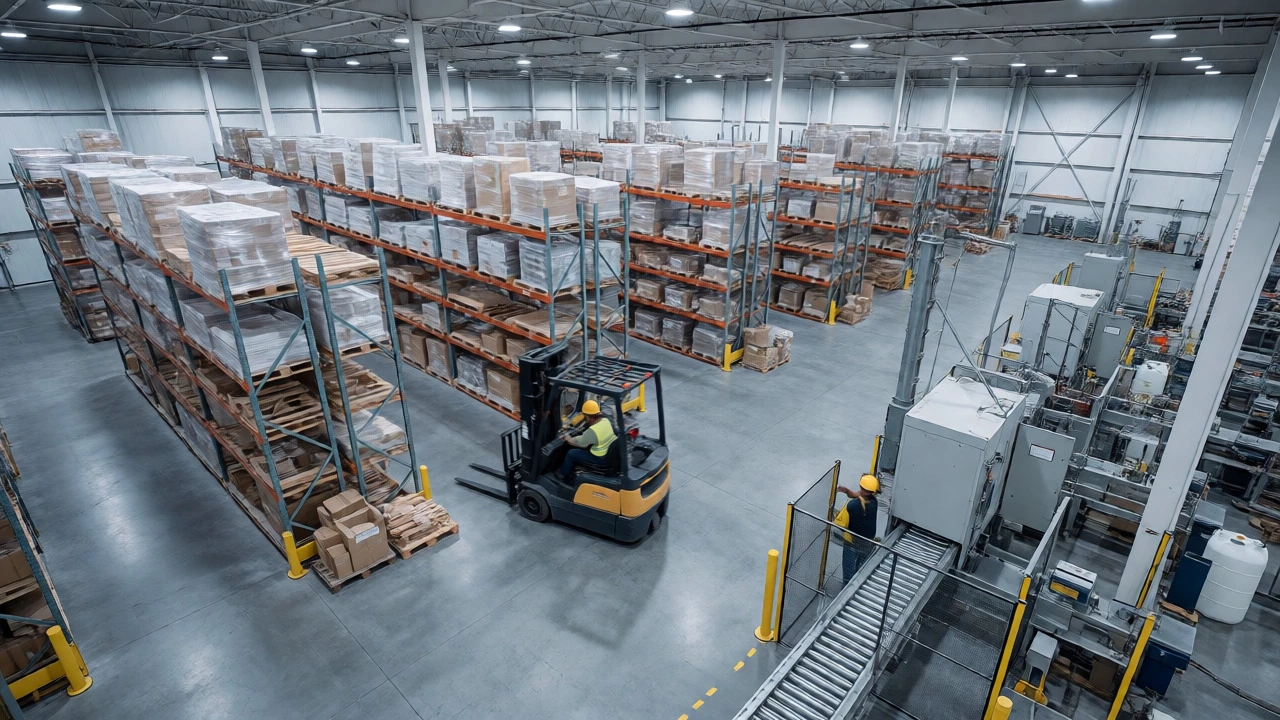
On the flip side, OSHA General Industry Outreach Training covers non-construction workplaces, including healthcare, retail, manufacturing, and warehousing. These standards fall under 29 CFR Part 1910. If you’re working in a warehouse moving pallets with a forklift, you’re likely in General Industry territory, even if you’re technically in a "construction-like" environment.
OSHA Construction Outreach Training: The "Fatal Four" Focus
If you’re swinging a hammer or operating a crane, this is your lane. Construction accounts for a disproportionate number of workplace fatalities. In fact, according to Bureau of Labor Statistics data, construction consistently ranks among the deadliest industries in the US.
The training focuses heavily on the "Fatal Four": falls, being struck by objects, electrocutions, and caught-in/between accidents. Why? Because these four causes account for roughly 60% of all construction worker deaths.
- Falls: From ladders, roofs, or scaffolds. This is the #1 killer.
- Struck-By: Being hit by falling tools, vehicles, or equipment.
- Electrocutions: Contact with overhead power lines or faulty wiring.
- Caught-In/Between: Crushing injuries from collapsing trenches or unguarded machinery.
This training teaches you how to spot these specific dangers before they happen. It’s practical, visual, and often involves hands-on demonstrations of harnesses and hard hats.
OSHA General Industry Outreach Training: The Broad Spectrum
Most American workers don’t build buildings. They make products, serve customers, or manage logistics. That’s where General Industry comes in. This track covers a massive variety of settings, so the curriculum is broader but less focused on structural collapse risks.
Instead of scaffolding, you’ll learn about:
- Hazard Communication: Reading chemical labels and Safety Data Sheets (SDS).
- Machine Guarding: Keeping fingers off moving parts in factories.
- Ergonomics: Preventing back injuries from lifting boxes or sitting at desks.
- Emergency Action Plans: What to do when the fire alarm goes off.
If you work in a hospital, a school, a restaurant, or a distribution center, this is almost certainly the training you need. It helps you navigate the complex web of regulations that apply to everyday office and industrial environments.
Comparing the Two Tracks: A Quick Reference
It’s easy to mix up the details. Here’s a straightforward comparison to help you decide which path fits your career.
| Feature | OSHA Construction Outreach | OSHA General Industry Outreach |
|---|---|---|
| Primary Audience | Builders, electricians, plumbers, laborers | Factory workers, nurses, teachers, warehouse staff |
| Regulatory Basis | 29 CFR Part 1926 | 29 CFR Part 1910 |
| Key Hazards | Falls, Trenches, Scaffolding, Heavy Equipment | Chemicals, Machinery, Ergonomics, Fire Safety |
| Common Course Lengths | 10-Hour & 30-Hour | 10-Hour & 30-Hour |
| Certificate Validity | No expiration date (but refresher recommended) | No expiration date (but refresher recommended) |
Understanding the Hours: 10-Hour vs. 30-Hour
Once you’ve picked your industry track (Construction or General Industry), you have to choose between two levels of depth. This is where many people get tripped up. Is the 30-hour course just "more of the same"? Not exactly.
OSHA 10-Hour Training is an awareness-level course designed for entry-level workers to recognize common hazards. You spend ten hours learning to identify dangers. It’s about survival and basic compliance. Most states require this for new hires on large projects.
OSHA 30-Hour Training is a supervisory-level course that delves deeper into regulatory standards and hazard mitigation strategies. It’s meant for supervisors, foremen, and safety managers. You aren’t just spotting problems; you’re learning how to fix them, document them, and train others.
Think of it this way: The 10-hour course teaches you not to step in the hole. The 30-hour course teaches you why the hole was there, who is responsible for covering it, and how to write the citation if it isn’t covered.
Who Needs Which Certification?
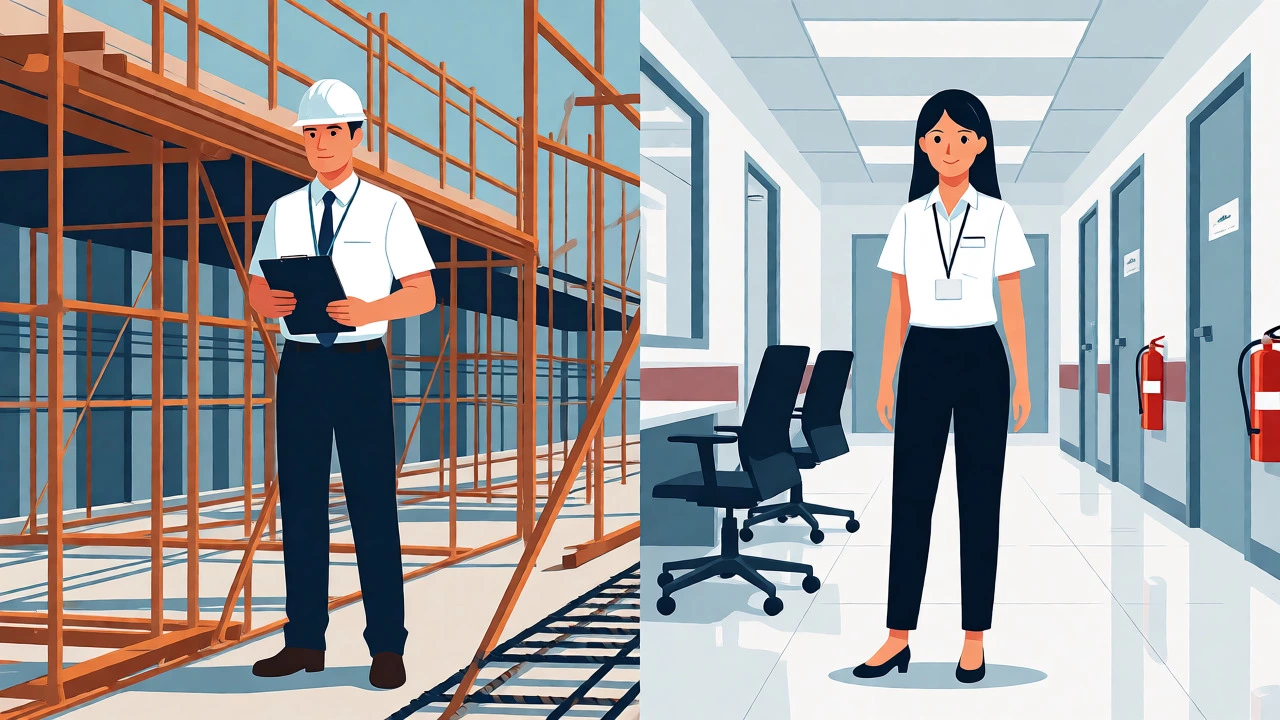
Let’s look at some real-world scenarios to clear up the confusion.
Scenario 1: The New Electrician
You’re starting an apprenticeship on a commercial building project. Your employer asks for your OSHA card. Since you are working on a construction site, you need OSHA Construction 10-Hour. Taking the General Industry course won’t satisfy the site requirements because it doesn’t cover scaffold inspection or trenching safety.
Scenario 2: The Warehouse Supervisor
You manage a team in a distribution center. You handle forklifts, conveyor belts, and occasional chemical spills. You’re not building structures. You need OSHA General Industry 30-Hour. This gives you the knowledge to conduct risk assessments and manage safety meetings for your crew.
Scenario 3: The Hospital Nurse
You work in patient care. You deal with sharps, bodily fluids, and lifting patients. You definitely don’t need construction training. While hospitals often have their own internal safety protocols, an OSHA General Industry 10-Hour card is increasingly valued as proof of baseline safety knowledge, especially for travel nurses or those moving between facilities.
Do Certifications Expire?
This is a common myth. Your OSHA completion card does not technically expire. Once you pass the test, you’re certified for life. However, many employers and state laws treat it differently.
Some states, like New York and Connecticut, mandate refresher courses every five years for certain roles. Even if your card doesn’t expire, your knowledge might. Safety standards evolve. New chemicals are introduced. Best practices change. Many companies prefer candidates who have taken a course within the last three to five years to ensure their information is current.
Always check your local state regulations. Some states run their own OSHA-approved plans (State Plans) that may have stricter requirements than federal OSHA. For example, California’s Cal/OSHA has unique training mandates that differ slightly from the federal standard.
How to Get Certified
You can’t just take any online quiz and call it OSHA training. The course must be taught by an authorized trainer from an OSHA Outreach Training Program authorized provider list maintained by the Department of Labor.
- Find an Authorized Provider: Look for trainers listed on the official OSHA website. Avoid random websites offering "instant cards" for $20 without proper accreditation.
- Choose Your Track: Decide between Construction or General Industry based on your job description.
- Select Your Level: Pick 10-Hour for awareness or 30-Hour for supervision.
- Complete the Course: Online options are popular now, but they often require ID verification and timed modules to prevent cheating.
- Pass the Exam: You’ll need a passing score (usually 70%) on the final assessment.
- Receive Your Card: Physical cards are mailed out, though digital versions are becoming more common.
Can I use my OSHA Construction card for a General Industry job?
Generally, no. While the core safety principles overlap, the specific hazards and regulations are different. An employer in a manufacturing plant will typically reject a Construction card because it lacks coverage for machine guarding and hazard communication specifics required in General Industry settings. Always match the card to the industry code of your workplace.
Is OSHA training mandatory for all employees?
Not necessarily. Federal law requires employers to provide "adequate" training, but it doesn’t always specify the 10 or 30-hour Outreach cards. However, many states and individual companies mandate these specific certifications as a condition of employment. On large construction projects, having the card is often a contractual requirement to enter the site.
What is the difference between OSHA 10 and OSHA 30?
The 10-hour course is for entry-level workers and focuses on recognizing hazards. The 30-hour course is for supervisors and safety managers and focuses on identifying, mitigating, and preventing hazards. The 30-hour course includes more detailed discussions on regulations and often requires additional electives beyond the mandatory topics.
How long does it take to complete the training?
Online courses usually have a minimum duration. A 10-hour course cannot be completed in less than two days, and a 30-hour course typically takes at least four days. This ensures students absorb the material rather than clicking through slides rapidly. Some providers offer self-paced schedules, but the system will lock you out until the minimum time is met.
Do I need a separate card for each industry?
If you switch careers from construction to manufacturing, you should obtain the appropriate General Industry card. Having both cards is possible and sometimes beneficial for consultants or safety professionals who work across multiple sectors, but for most workers, holding the card relevant to their current role is sufficient.



Write a comment