

Mechanic Aptitude & Knowledge Quiz
Think you're cut out for life under the hood? Take this quick quiz to test your understanding of what it really takes to become a skilled mechanic.
Question 1/5
Quiz Complete!
You scored: 0/5
Review your answers below.
You’ve probably watched a mechanic tear down an engine or diagnose a weird noise in seconds and wondered: Is being a mechanic hard to learn? The short answer is no, it’s not impossible. But let’s be real-it’s not just turning wrenches either. It’s a mix of logic, patience, and getting your hands dirty while your brain works overtime. If you’re thinking about swapping office chairs for creeper boards, you need to know what you’re actually signing up for.
The Reality Check: What Makes It Tricky
People often think mechanics are born with grease under their fingernails. That’s a myth. Most great mechanics learned the trade step-by-step. The hardest part isn’t the physical labor; it’s the mental shift. You have to stop guessing and start diagnosing. When a car comes in shaking, it could be a spark plug, a sensor, or a misaligned wheel. Figuring out which one is the actual culprit requires a logical process that takes time to develop.
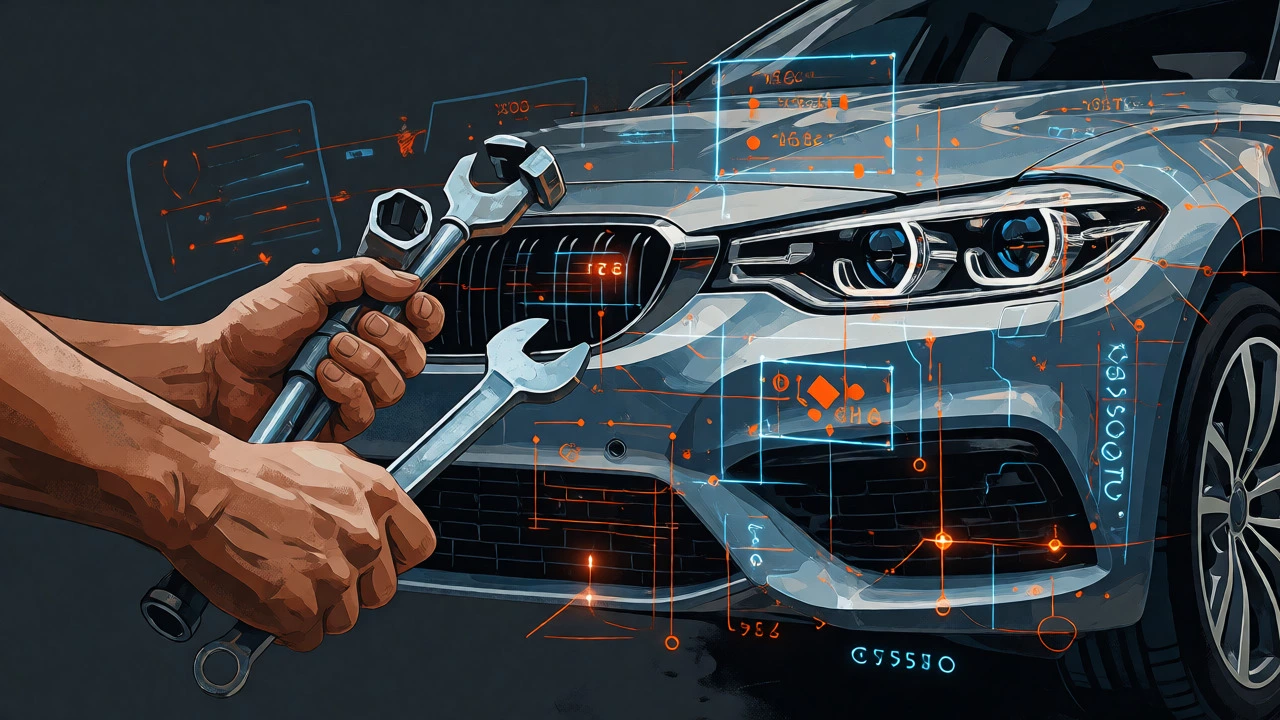
Another hurdle is keeping up with technology. Modern cars aren’t just mechanical anymore; they’re computers on wheels. A few years ago, you might have spent all day fixing brakes. Today, you might spend half your day plugged into a diagnostic tablet reading error codes. This doesn’t mean you need to be a software engineer, but you do need to be comfortable using tech tools to solve problems.
Breaking Down the Learning Curve
So, how long does it take to get good? It depends on where you start. If you join a formal program like an NVQ Level 3 in Light Vehicle Maintenance and Repair, you’ll spend two years learning theory and practice side-by-side. This path forces you to understand why things break, not just how to fix them.
If you jump straight into an apprenticeship, you’ll learn faster by doing, but you might miss some foundational theory initially. Either way, expect a steep curve in the first six months. You’ll feel slow. You’ll drop bolts. You’ll waste time looking for the right socket. That’s normal. By month twelve, things click. You start recognizing patterns. You realize that certain noises always mean specific issues. That’s when the job starts to feel less like work and more like puzzle-solving.
| Learning Path | Duration | Key Focus | Best For |
|---|---|---|---|
| College Course (NVQ) | 1-2 Years | Theory + Practical Workshops | Those who want structured learning and qualifications. |
| Apprenticeship | 2-3 Years | On-the-Job Experience | Learners who prefer earning while learning. |
| Self-Taught / Hobbyist | Variable | Specific Repairs & Modifications | Enthusiasts wanting to maintain their own vehicles. |

Skills You Actually Need (It’s Not Just Strength)
Forget the idea that you need to be a bodybuilder. Sure, lifting heavy tires helps, but dexterity matters more. Can you reach into tight spaces? Can you handle small screws without stripping them? Fine motor skills are crucial. More importantly, you need problem-solving skills. A car is a system. If one part fails, it affects others. You have to trace the chain of events backward to find the root cause.
Communication is another underrated skill. You’ll talk to customers who don’t understand cars. They might say, “My car makes a clunking noise.” Your job is to ask questions to narrow it down: Does it happen when braking? Turning? Accelerating? Being able to translate technical jargon into plain English builds trust and keeps your job stress-free.
The Physical Toll: Is It Worth It?
Let’s address the elephant in the garage: your back and knees. Yes, mechanics stand for hours. You crawl under cars. You lift engines. Over time, this can wear on your joints. However, modern workshops are better than they used to be. Hydraulic lifts, ergonomic stools, and power tools reduce the strain significantly compared to twenty years ago.
Staying fit outside of work helps too. Stretching before shifts and maintaining core strength prevents most common injuries. It’s manageable if you treat your body like a tool that needs maintenance, just like the cars you fix.
How to Start Without Regret
If you’re still on the fence, try this: volunteer at a local garage or help a friend fix their bike. See if you enjoy the process of taking something apart and putting it back together correctly. Did you feel frustrated when a bolt wouldn’t move, or did you feel satisfied when it finally turned? That emotional reaction tells you everything you need to know.
Look for courses that offer hands-on time. Avoid programs that are 90% textbook and 10% workshop. You learn best by doing. In Bristol, many colleges offer entry-level diplomas that lead directly into apprenticeships. Check if they provide access to live vehicles, not just simulators. Real cars have rusted bolts and unexpected surprises-simulators don’t.
Frequently Asked Questions
Do I need maths skills to become a mechanic?
You need basic numeracy, not advanced calculus. You’ll use maths to calculate torque settings, measure parts, and manage inventory costs. If you can handle percentages and basic algebra, you’re fine. Most training covers the specific maths needed for the job.
Is it harder to learn electric vehicle repairs?
Electric vehicles (EVs) require different safety protocols due to high-voltage batteries, but the mechanical aspects are simpler since there are fewer moving parts. The challenge is learning new diagnostic software and safety procedures. Many mechanics find EVs easier once they get past the initial fear of the battery systems.
Can I become a mechanic without college?
Yes, through apprenticeships. You can start working immediately and earn money while you learn. However, having a qualification like an NVQ Level 3 often leads to higher pay and more responsibility later on. Some employers strictly require these certifications for senior roles.
How much does mechanic training cost?
In the UK, full-time college courses can range from £2,000 to £5,000 per year, depending on the institution and level. Apprenticeships are usually free because the employer pays for your training. Self-study resources like online guides and YouTube channels are low-cost but lack certification.
What are the biggest mistakes beginners make?
The top mistake is skipping diagnostics. Beginners rush to replace parts hoping that fixes the issue, which wastes money and time. Another common error is neglecting cleanliness-dirty hands or tools can damage sensitive components like sensors and injectors.


Write a comment