
Hairdressing Career Compatibility Test
1. Physical & Manual Dexterity
Hairdressing requires standing for 8+ hours and steady hands.
2. Social & Emotional Resilience
Dealing with clients' expectations and feedback is daily work.
3. Study Style & Finance
Choosing between college, academy, or apprenticeship.
Your Career Outlook
Recommended Path:
The Honest Truth About Hairdressing Difficulty
If you are standing at the salon door wondering whether you can handle the work inside, the short answer is yes, but with caveats. Hairdressing is a trade that blends art and science. It requires steady hands, a good eye for color, and thick skin for dealing with clients.
Many people assume it is just snipping hair and styling. In reality, you are managing chemistry when mixing colors, understanding biology regarding scalp health, and running small projects every single day. You might wonder if your natural talent is enough. Talent helps, but discipline matters more. This guide breaks down exactly what makes this career challenging and where you will succeed.
Core Skills You Will Need to Master
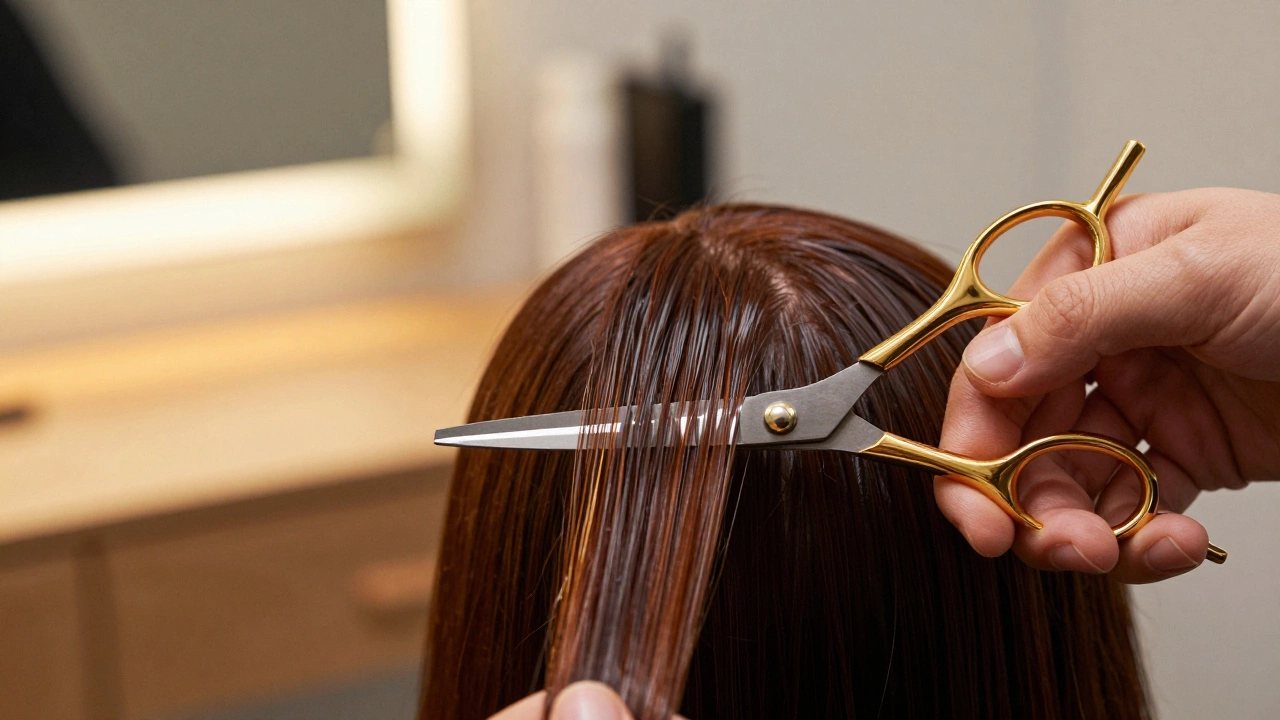
Before you book a course, understand that the difficulty comes from mastering three distinct skill sets. First, there is manual dexterity. Your hands spend eight hours a day holding tools. If you struggle with fine motor tasks, the first few weeks of barbering and cutting practice will feel frustrating. You need to develop muscle memory so that sectioning hair becomes automatic.
Second, you need spatial awareness. A bob cut looks straight from one angle but might be uneven from another. Understanding how head shape affects the final look takes months of repetition. Finally, there is client communication. You cannot simply ask a client for a 'trim'. You must translate vague ideas into technical terms they understand.
- Scissor control: Holding shears correctly to prevent wrist strain.
- Sectioning: Dividing hair precisely to ensure even results.
- Chemical safety: Handling bleach and toner without damaging the client.
- Time management: Completing services within booked slots.
Learning Paths: Which Route Suits You?
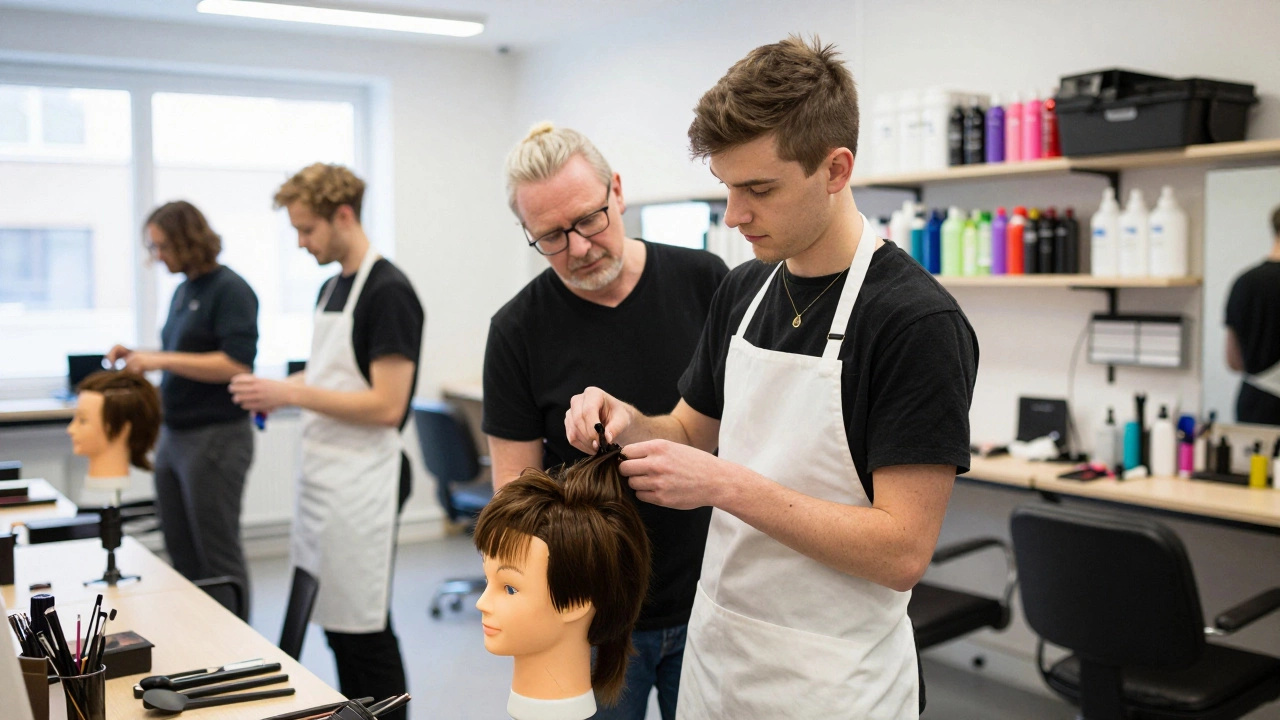
The way you choose to learn changes how difficult the process feels. If you jump into a private college immediately, the pace can be fast. You will likely cover theory alongside practical work. Alternatively, many stylists prefer an An apprenticeship involves learning while working in a salon under supervision Apprenticeship. This path often feels less academic but can be more physically demanding since you are working on real paying customers much earlier.
| Path Type | Duration | Cost Estimate | Difficulty Factor |
|---|---|---|---|
| College Course (Full-time) | 1-2 Years | £4,000-£10,000 | Moderate (Structured learning) |
| Private Academy | 6-12 Months | £5,000-£15,000 | High (Intensive, self-paced) |
| Traditional Apprenticeship | 2-4 Years | Free (Often paid wage) | Moderate (Work-based pressure) |
When looking at cost, remember that equipment adds up. You need quality scissors, clippers, and coloring bowls. A standard starter kit costs around £300 initially. The financial barrier is low compared to university degrees, but the hourly wage in training years is very low. You are investing in future earnings.
NVQ and Qualifications in the UK
In the UK, the industry standard for recognition is the NVQ, specifically Level 2 and Level 3. You will hear people refer to C&G (City & Guilds) or VTCT qualifications as well. These are essentially the same thing; they set the baseline for safe and professional practice.
An NVQ Level 2 covers the basics: shampooing, basic cuts, and treatments. Level 3 introduces advanced color, creative cutting, and business skills. Without these, you may find it hard to get insurance. Public liability insurance is non-negotiable if you plan to rent a chair or work in a high-street salon. Some employers might hire unqualified staff for junior roles, but they will block promotion until you pass your exams.
The Physical Reality of Salon Work
We often ignore the physical toll of the profession. You stand for nearly nine hours a day. Repetitive strain injury (RSI) is common among new stylists who do not yet have strong posture. Your wrists bear the weight of scissors constantly. If you have existing back issues or carpal tunnel syndrome, this career could worsen those conditions quickly.
Chemicals present another challenge. Ammonia-free products help, but bleach fumes are still irritating to the lungs and eyes over time. Ventilation in older salons can be poor. Wearing gloves is mandatory, but some stylists report hand dermatitis despite protection. The learning curve includes protecting yourself as much as serving others.
Emotional Resilience and Client Management
One reason hairdressing feels hard is the human element. Clients trust you with their appearance. If a haircut does not turn out right, their reaction can be personal and sometimes aggressive. You need to stay calm when things go wrong. Fixing mistakes requires confidence. Apologizing and offering a solution is better than arguing.
Beyond bad haircuts, you deal with daily social interaction. Extroverts might find the talking energizing. Introverts might find the constant chatter draining. Developing thick skin early on protects your mental health. You will also encounter diverse needs, from elderly clients needing mobility assistance to teenagers wanting trendy styles.
Timeline: How Long Until You Earn Well?
Patience is key because the early stages are slow. In year one, you focus on passing assessments. You are mostly washing hair or assisting senior stylists. Year two allows you to take bookings independently. By year three, if you complete your Level 3 qualification, you can command higher prices.
A senior stylist typically earns commission on service rather than salary. This means your income depends on how many clients you see and how confident they are. Top performers in busy cities earn significant money through tips and product sales. However, new recruits should expect entry-level wages of roughly £10-£12 per hour before building their own book of regular clients.
Deciding If This Is For You
You can tell if you are suited for this by testing your reaction to routine. Do you enjoy repeating a task until it is perfect? Can you focus on details for hours? If yes, the technical difficulty will fade over time. Muscle memory takes over. Most difficulties in hairdressing are manageable hurdles, not stop signs.
The trade is recession-resistant. People always cut their hair, wash their hair, and style their hair regardless of the economy. Job security is high once you are qualified. There is also freedom in choosing between corporate chain salons or independent studios. This flexibility makes the initial struggle worth it for many.
Next Steps to Start Your Journey
If you are ready to move forward, start by visiting local colleges or salons. Ask to shadow a stylist for a day. Seeing the floor during rush hour gives you a realistic preview. Then, check which courses are approved by recognized awarding bodies. Read reviews about instructors. Finally, budget for your toolkit.
Do I need maths or science for hairdressing?
You need basic numeracy to mix chemical percentages and manage booking slots, but advanced maths isn't required. Science helps in understanding hair structure, but most of this is taught in practical modules.
Can I study hairdressing part-time while working?
Yes, evening classes and flexible apprenticeships exist. Many students work as salon assistants during the day and attend college at night. This extends the course duration but reduces upfront debt.
How old do I need to be to train?
Most entry-level courses accept students aged 16 and above. Apprenticeships require you to be school-leaving age. Full-time courses might offer student finance status depending on your residency status.
Is it hard to switch careers into hairdressing later in life?
It can be harder due to physical stamina demands, but mature students often adapt faster to client communication. Some salons value maturity and reliability over youth, especially for private home visits.
What equipment should I buy before my course starts?
Start with essential tools: four pairs of scissors (cutting, thinning, electric), combs, clips, and a styling towel. Salons usually supply clippers, but having your own hygiene tools builds professionalism.



Write a comment