
Hairdresser Earnings Calculator
Estimate your gross annual earnings by comparing different career paths and service models.
Employed Stylist
Annual Gross:
£0
Includes estimated retail commission bonusSelf-Employed / Chair Rental
Annual Net (After Costs):
£0
Excludes tax & insuranceYou walk into a high-end salon in Bristol or London, watch the stylist work their magic for forty-five minutes, and see them leave with a crisp £80 note. It looks lucrative, doesn't it? But then you hear whispers about low starting wages, long hours on your feet, and the struggle to build a client base from scratch. So, is being a hairdresser actually good money?
The short answer: yes, but not immediately, and definitely not uniformly. Your earning potential depends entirely on where you are in your career, what services you offer, and whether you choose employment or self-employment. Let's break down the real numbers, the hidden costs, and the strategies that separate struggling stylists from those making six figures.
The Reality of Starting Out
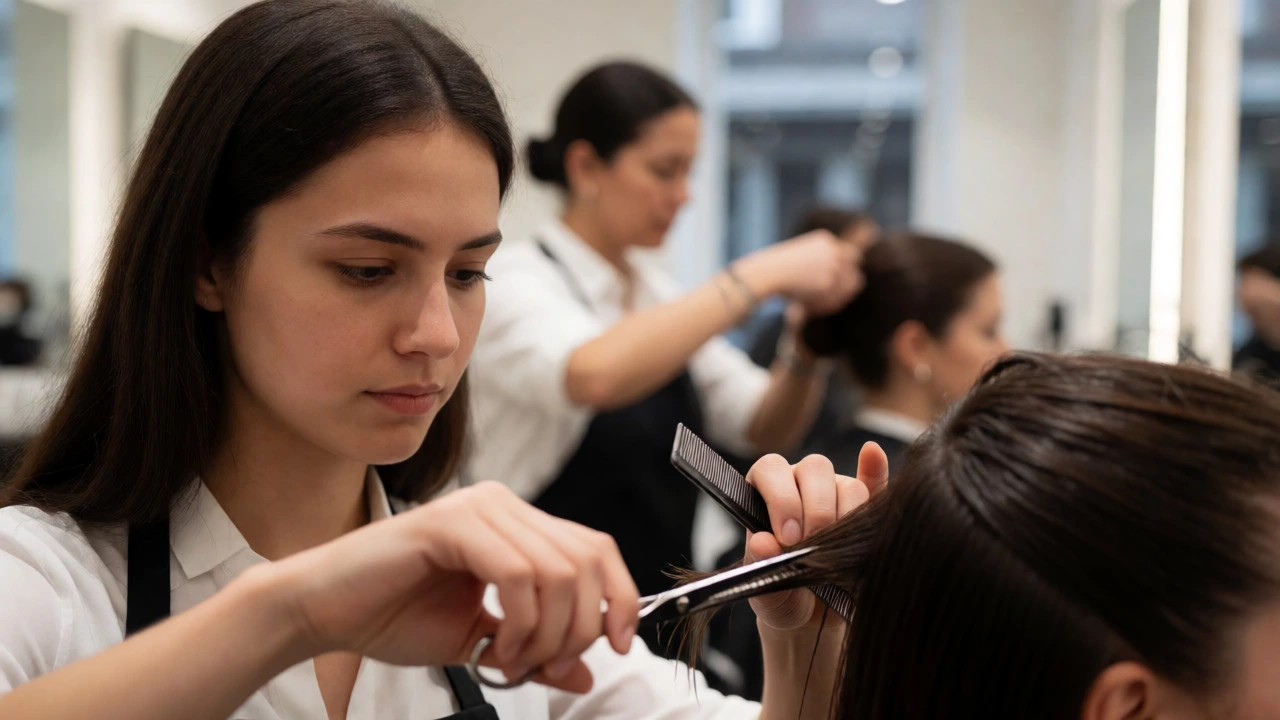
If you’re fresh out of college with a Level 2 or Level 3 NVQ in Hairdressing, don’t expect to buy a house yet. The industry standard for junior stylists is often close to minimum wage, sometimes slightly above it. In major cities like London, you might start at £11-£13 per hour. Outside the capital, say in Manchester or Birmingham, that could drop to £9.50-£11 per hour.
Why so low? Because you’re still learning speed and consistency. A senior stylist cuts a bob in 20 minutes; you take 45. Salons pay for efficiency. However, this phase is temporary. Most qualified stylists hit a plateau of £12-£15 per hour within two years if they consistently upsell treatments and build a loyal following.
Employment vs. Self-Employment: The Big Divide
This is where the money conversation gets interesting. You have two main paths, and they lead to very different bank balances.
| Factor | Employee (Salon) | Self-Employed (Chair Rental/Commission) |
|---|---|---|
| Average Annual Gross | £22,000 - £35,000 | £30,000 - £60,000+ |
| Costs Paid By You | Minimal (taxes deducted) | Rent, products, insurance, marketing |
| Flexibility | Fixed shifts | Set your own schedule |
| Client Control | Low (salon assigns clients) | High (you own your book) |
Working as an employee gives you security. You get paid holidays, sick pay, and steady hours. But your ceiling is capped by the salon’s pricing structure. If the salon charges £40 for a cut, you might only keep £10-£15 of that after rent and product costs are factored in by the owner.
Going self-employed flips the script. When you rent a chair in an existing salon or open your own studio, you keep the lion’s share of every service. If you charge £50 for a cut, you keep £50 minus your chair rent (which can range from £100 to £300 per week depending on location) and product costs. The upside? Unlimited earning potential. The downside? If you don’t book clients, you don’t earn. No safety net.
How Services Impact Your Hourly Rate
Not all hair services are created equal. Cutting hair is time-intensive but has a fixed price point. Coloring, however, is where the profit margins expand significantly.
Consider this scenario: A basic haircut takes 45 minutes and earns you £35. That’s roughly £46 per hour before expenses. Now, look at a balayage service. It takes three hours, but you charge £120. That’s £40 per hour. Wait, didn’t I just say coloring pays better? Yes, but only if you bundle it correctly. Balayage usually includes a cut and blow-dry, pushing the total ticket price to £160-£180 for four hours of work. That’s £40-£45 per hour, but with higher product usage.
The real money-maker? Retail sales. Selling shampoos, conditioners, and styling creams adds 10-15% to your daily income with zero extra labor time. Stylists who actively retail can add £2,000-£5,000 to their annual earnings without working a single extra minute.

The Hidden Costs of "Good Money"
Before you calculate your take-home pay, remember that gross income isn’t net income. Self-employed hairdressers face significant overheads:
- Product Stock: Professional brands like Olaplex, Wella, or Redken aren’t cheap. Expect to spend £200-£400 monthly on backbar products alone.
- Continuing Education: To stay competitive, you need regular training. Workshops on new coloring techniques or cutting methods cost £100-£500 each.
- Insurance: Public liability insurance is mandatory for self-employed stylists, costing around £100-£200 annually.
- Marketing: Social media ads, website hosting, and business cards add up.
If you’re renting a chair, factor in the rent. In Bristol, a shared space might cost £150 per week. That’s £7,800 a year right off the top. You need to cover that before you pay yourself.
Location Matters More Than You Think
Your postcode dictates your pricing power. A stylist in central London can charge £100+ for a cut because the clientele expects it and can afford it. The same stylist in rural Wales might struggle to charge £40. This isn’t about skill level; it’s about local economic conditions.
However, don’t assume big cities are always better. Competition is fierce. In smaller towns, there may be fewer high-quality stylists, allowing you to become the go-to person quickly. Building a reputation in a less saturated market can lead to faster growth in your client book, which translates to stable income sooner than fighting for scraps in a metropolitan hub.
Strategies to Maximize Earnings
If you want to move beyond average wages, treat your hairdressing career like a business, not just a job. Here’s how successful stylists boost their bottom line:
- Specialize: Become the expert in curly hair, bridal styling, or men’s fades. Specialists command premium rates because clients perceive higher value.
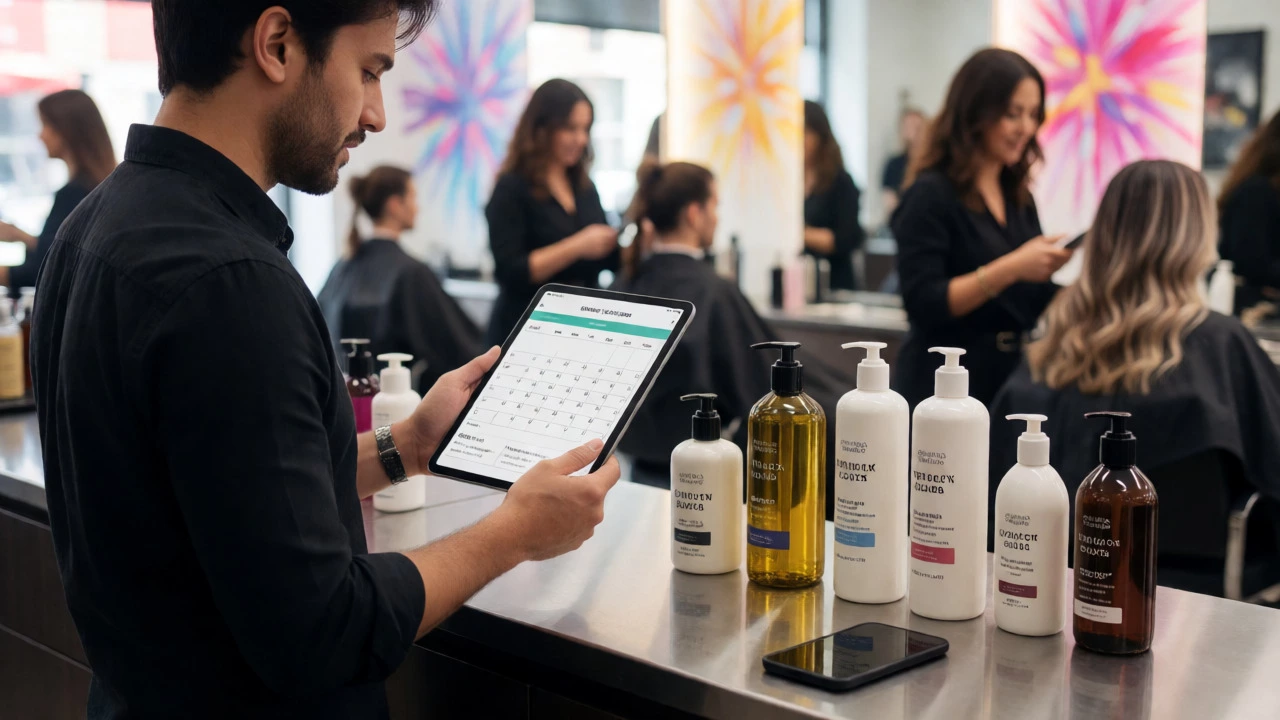
- Optimize Your Book: Stop leaving gaps. Use online booking systems to fill cancellations instantly. Every empty slot is lost revenue.
- Upsell Treatments: Never do a color service without offering a bond builder or deep conditioning treatment. These add £15-£30 per client with minimal effort.
- Leverage Social Media: Instagram is your portfolio. High-quality before-and-after photos attract new clients who are willing to pay more for proven results.
Remember, your hands are your primary asset, but your brain drives the profit. The stylists making £50k+ aren’t necessarily the fastest cutters; they’re the best marketers and most efficient schedulers.
Is It Worth the Investment?
Training for hairdressing takes time and money. A full-time course lasts one year, while part-time options stretch over two years. Tuition fees vary, but budget for £1,500-£3,000 plus tools (scissors, clippers, mannequins), which can easily exceed £1,000.
Compare this to other trades. Plumbing or electrical work often requires similar training durations but offers higher starting wages. However, hairdressing offers something unique: creative satisfaction and immediate feedback. You see the result of your work instantly, and happy clients tell their friends. Word-of-mouth referrals are free marketing, and in this industry, they’re powerful.
So, is being a hairdresser good money? If you view it as a casual job, no. You’ll likely earn modest wages. But if you approach it as a craft combined with entrepreneurial spirit, specializing in high-value services, managing your costs, and building a personal brand, you can comfortably earn £40,000-£60,000 annually within five years. And for those who open their own salons later in their careers, the sky’s the limit.
Do hairdressers make commission?
Yes, many salons operate on a commission basis rather than hourly wages. Commission rates typically range from 30% to 50% of the service price. For example, if you perform a £50 service and have a 40% commission rate, you earn £20 from that appointment. This model rewards high-volume workers and those who sell expensive treatments.
How much does it cost to start a mobile hairdressing business?
Starting mobile hairdressing is cheaper than renting a salon chair. Initial costs include professional tools (£500-£1,000), vehicle fuel, insurance (£100-£200/year), and marketing materials. Total startup costs can be under £2,000. However, you must account for travel time, which reduces the number of clients you can see per day compared to a fixed salon location.
Can you make six figures as a hairdresser?
Yes, but rarely as a solo stylist working standard hours. Reaching £100,000+ usually involves owning a salon, hiring assistants, teaching courses, or becoming a highly sought-after session stylist for fashion shows and media. Solo stylists can approach £80,000-£90,000 by maximizing retail sales, charging premium prices in affluent areas, and maintaining a fully booked schedule with high-ticket services.
Is hairdressing hard on the body?
Absolutely. Common issues include back pain, varicose veins, carpal tunnel syndrome, and chemical sensitivities from frequent exposure to dyes and perms. Investing in ergonomic chairs, anti-fatigue mats, and proper stretching routines is essential for longevity in the career. Many stylists transition to education or management roles later in life to reduce physical strain.
What qualifications do I need to become a hairdresser?
In the UK, the standard pathway is a Level 2 Diploma in Hairdressing followed by a Level 3 Advanced Technical Diploma. These NVQ-based courses combine practical skills with theory. While not legally required to practice, these qualifications are expected by reputable salons and ensure you understand health and safety, hygiene, and technical techniques properly.



Write a comment