
Welding Health Risk Estimator
Select your typical working conditions below to calculate your estimated risk profile. The score ranges from 0 (Low Risk) to 100 (High Risk).
Your Working Conditions
Estimated Risk Score
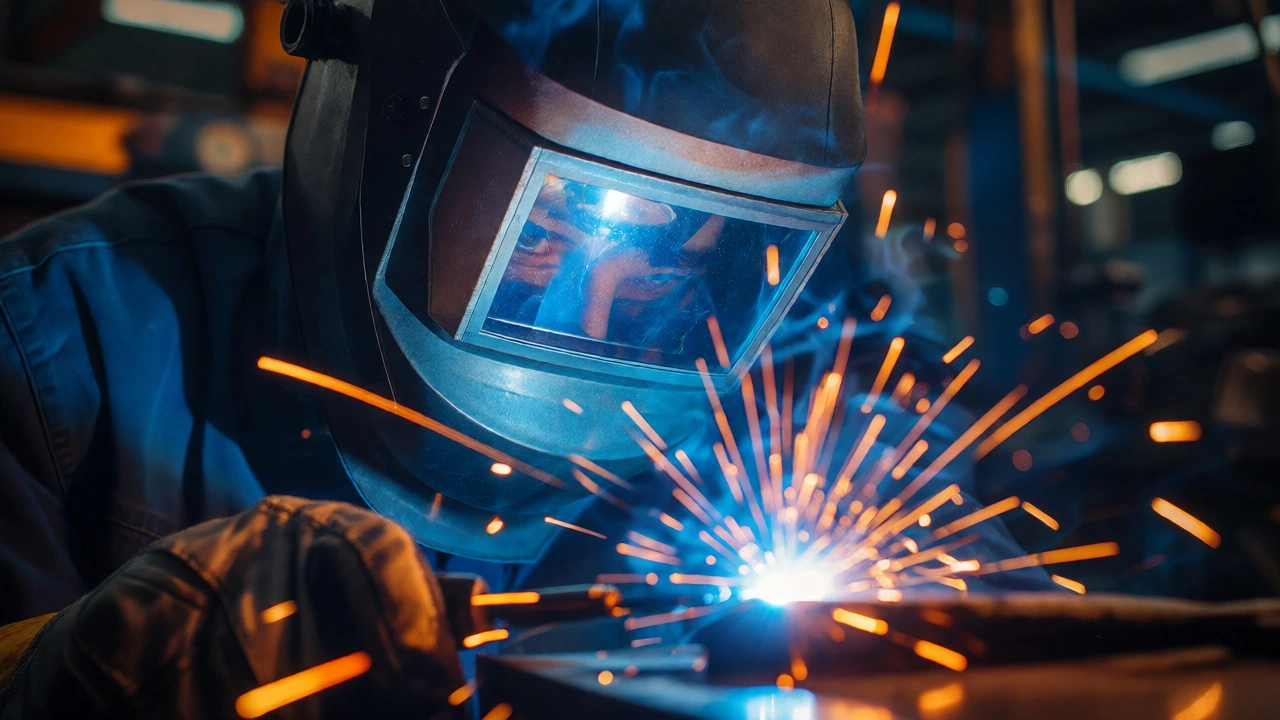
You’ve seen the sparks fly. You’ve heard the hum of the arc. Maybe you’re thinking about signing up for a welding course because it pays well and offers a tangible skill set. But there’s a nagging question in the back of your mind: is this job actually going to wreck my body?
The short answer is no, not if you do it right. The long answer is that welding carries specific health risks that are often misunderstood or ignored until it’s too late. It’s not just about getting burned; it’s about what you breathe, how you stand, and what you wear. Let’s break down exactly what happens to your health when you spend eight hours a day under an electric arc, and more importantly, how to keep those risks manageable.
The Invisible Threat: What’s Actually in Welding Fumes?
If you ask an experienced welder what scares them most, they won’t say "getting hit by a hammer." They’ll talk about their lungs. Welding fumes are tiny particles released when metal melts. These aren’t just dust bunnies; they are complex mixtures of metals like manganese, nickel, chromium, and zinc, depending on what you’re welding and what shielding gas you use.
Here is where things get serious. When you inhale these fumes over years without proper ventilation, you risk developing conditions like Metal Fume Fever, which feels like a bad flu but goes away after a few days, or worse, chronic issues like occupational asthma and reduced lung function. There is also growing concern about hexavalent chromium, especially when stainless steel is involved. This compound is a known carcinogen. If you work in a shop with poor airflow, you are essentially smoking invisible toxic smoke all day.
But don’t panic yet. The key word here is "without proper ventilation." Modern shops use local exhaust ventilation (LEV) systems that suck fumes away from your face before you even realize they’re there. If you’re working outdoors or in a well-ventilated area, the risk drops significantly. The danger isn’t welding itself; it’s working in a closed box with no fan running.
Burns, Arc Eye, and the Physical Toll
Let’s talk about the stuff you can see and feel. Burns are part of the job description. Molten slag spatter can land on your skin, causing immediate pain. While most burns are minor first-degree injuries, they add up. More concerning is UV radiation. An electric arc produces intense ultraviolet light that can cause photokeratitis, commonly known as "arc eye" or "welder’s flash." It’s basically sunburn on your eyeballs. Symptoms usually hit hours after your shift ends, leaving you feeling like you have sand in your eyes. It’s painful, temporary, and completely avoidable with a proper helmet.
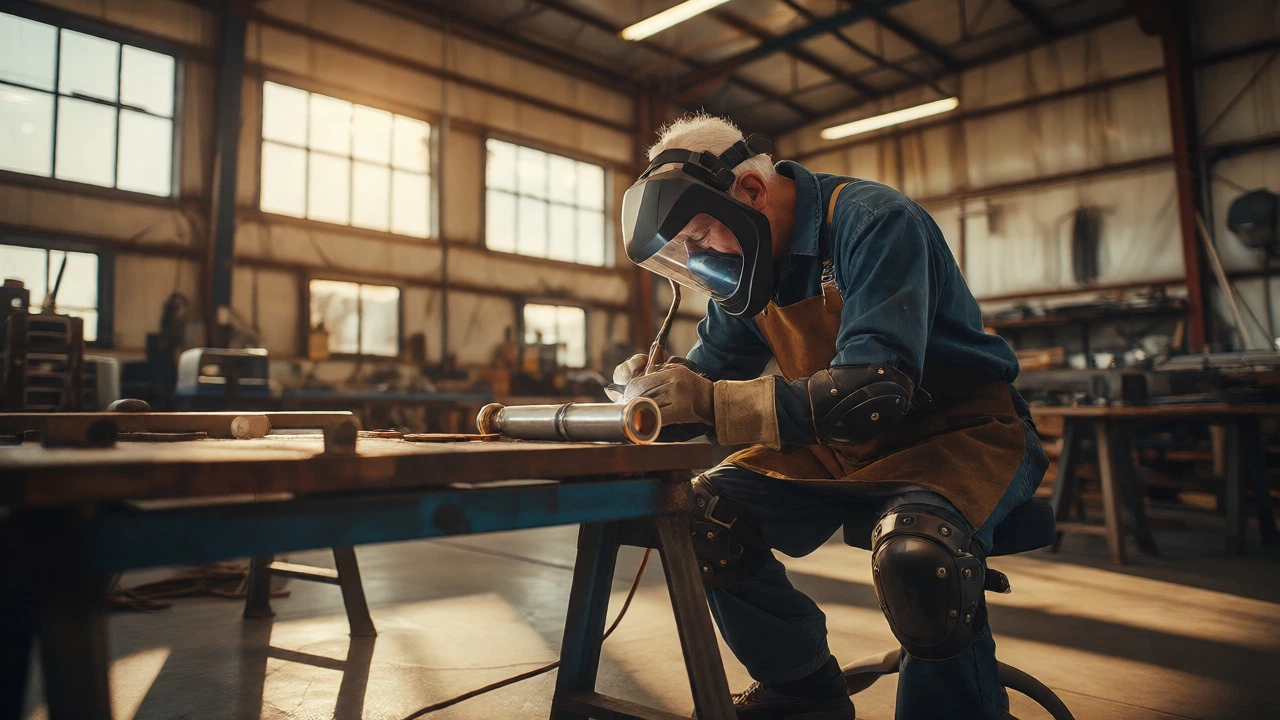
Beyond acute injuries, consider the ergonomic strain. Welders often hold awkward positions for extended periods. You might be crouching under a car chassis or reaching overhead to tack a pipe joint. This static loading puts stress on your lower back, shoulders, and knees. Over time, this leads to musculoskeletal disorders. I’ve seen young welders in their thirties complaining about back pain that should belong to someone twice their age. It’s not inevitable, though. Stretching routines and taking micro-breaks to reset your posture make a massive difference.
| Hazard Type | Specific Risk | Primary Prevention Method |
|---|---|---|
| Respiratory | Manganese toxicity, Asthma, Cancer | Local Exhaust Ventilation (LEV), Respirators |
| Ocular | Arc Eye (Photokeratitis), Cataracts | Auto-darkening Helmets, Safety Glasses |
| Dermal | Burns, Dermatitis, Skin Cancer | Leather Aprons, Long-sleeve Cotton Shirts |
| Ergonomic | Back Pain, Carpal Tunnel, Knee Strain | Knee Pads, Anti-fatigue Mats, Proper Posture |
| Noise | Hearing Loss, Tinnitus | Ear Plugs, Earmuffs |
Does Welding Cause Cancer? The Evidence Explained
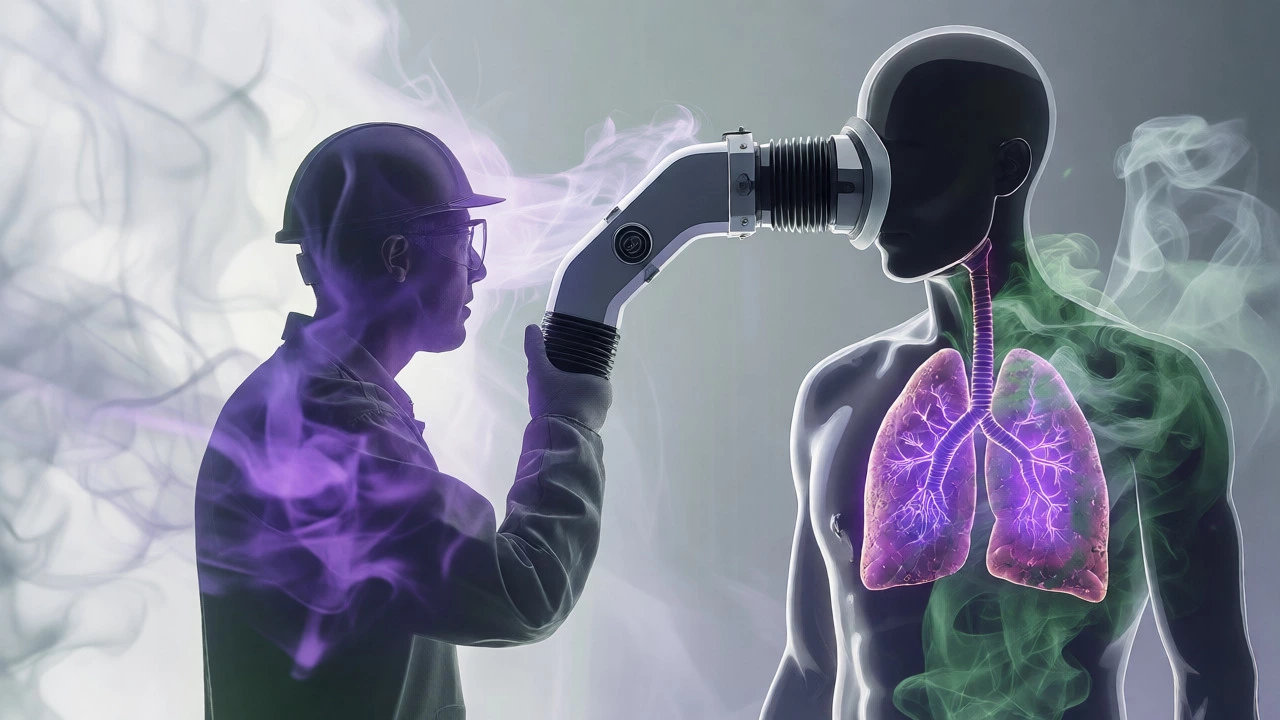
This is the big one people worry about. Is welding linked to cancer? The International Agency for Research on Cancer (IARC) classifies welding fumes as Group 1 carcinogens, meaning they are carcinogenic to humans. This sounds terrifying, but context matters. The classification is based on epidemiological studies showing a slightly increased risk of lung cancer among welders compared to non-welders.
However, many of these studies looked at welders who worked decades ago, before modern safety standards were enforced. Today, with strict regulations and better technology, the risk profile has changed. A study published in the *American Journal of Industrial Medicine* found that while lung cancer risk remains elevated, it is significantly lower in welders who consistently used respiratory protection. The takeaway? If you treat your lungs like a museum exhibit-protected and clean-you mitigate the risk substantially. If you ignore your mask because it’s "hot," you’re playing Russian roulette with your cells.
Protective Gear: Your First Line of Defense
Your Personal Protective Equipment (PPE) is not optional gear; it is life support. Many beginners buy cheap helmets and thin gloves to save money, then wonder why they suffer headaches and burns. Here is what you actually need to invest in:
- Auto-Darkening Helmet: Old-school fixed-shade helmets require you to nod your head to see your work. Auto-darkening lenses stay clear until the arc strikes, allowing you to maintain focus and reduce neck strain. Look for a wide viewing area to minimize peripheral distortion.
- Respiratory Protection: For mild steel, a simple half-mask respirator with P100 filters works wonders. For stainless steel or confined spaces, you might need a Powered Air Purifying Respirator (PAPR). This blows filtered air into your helmet, keeping you cool and safe simultaneously.
- Proper Clothing: Never wear synthetic fabrics like polyester near an arc. They melt onto your skin. Stick to natural fibers like cotton or wool, covered by leather aprons or sleeves. Ensure your collar is buttoned to prevent sparks from falling inside.
Don’t forget hearing protection. Grinding metal creates noise levels that can exceed 85 decibels, the threshold for potential hearing damage. Simple foam earplugs cost pennies and preserve your ability to hear music-or conversations-for decades.
Long-Term Career Sustainability
So, can you weld until you retire? Absolutely. Thousands of welders work into their sixties and seventies. The key is treating your body like a machine that needs maintenance. Regular medical check-ups are crucial. Pay attention to your spirometry results (lung capacity tests) provided by occupational health services. If your lung function starts to dip, take it seriously. Move to less fume-intensive tasks or improve your ventilation setup immediately.
Mental health is another factor often overlooked. Welding requires intense concentration. Repetitive tasks and isolation in some industrial settings can lead to burnout. Finding a community, whether through unions or local trade groups, helps combat the loneliness that sometimes accompanies solo work.
Ultimately, a career in welding isn't inherently "bad" for your health. It’s demanding. It requires discipline regarding safety protocols. Compare it to other trades: construction workers fall from heights; electricians risk electrocution; nurses face needle sticks and heavy lifting. Every job has hazards. With welding, the hazards are largely environmental (fumes, light, heat) rather than structural (falls). And environmental hazards are easier to control with the right tools and habits.
Final Verdict: Worth the Risk?
If you value job security, good pay, and the satisfaction of building things, welding is a fantastic career path. The health risks are real but manageable. They are not hidden traps waiting to spring; they are open challenges that you solve with equipment and education. Take a certified welding course that emphasizes safety culture, not just technique. Learn how to read a Safety Data Sheet (SDS) for the metals you work with. Respect the arc, respect the fumes, and respect your body. Do that, and you’ll likely find that welding adds more to your life than it takes away.
Can welding cause permanent lung damage?
Yes, prolonged exposure to welding fumes without adequate ventilation or respiratory protection can lead to permanent lung damage, including conditions like pneumoconiosis and chronic obstructive pulmonary disease (COPD). However, consistent use of PPE and LEV systems significantly reduces this risk.
Is welding bad for your eyes?
Welding produces intense UV and infrared radiation that can cause arc eye (photokeratitis), which is painful but usually temporary. Long-term exposure without proper eye protection can increase the risk of cataracts. Using an auto-darkening helmet with appropriate shade ratings prevents these issues.
What is the biggest health risk for new welders?
The biggest risk for new welders is often complacency with safety gear. Beginners may skip wearing masks because they feel hot or cumbersome, leading to unnecessary inhalation of toxic fumes like manganese and hexavalent chromium. Developing strict PPE habits early is critical.
Do welders live shorter lives?
There is no definitive evidence that welders universally live shorter lives. Life expectancy depends heavily on lifestyle factors such as smoking, diet, exercise, and adherence to workplace safety standards. Welders who protect their lungs and maintain physical fitness typically have normal life expectancies.
Is welding safer today than it was 50 years ago?
Yes, welding is significantly safer today due to advancements in ventilation technology, improved PPE materials, stricter occupational health regulations, and better understanding of chemical hazards. Historical data showing higher health risks often reflects older, less regulated working environments.


Write a comment