
NY Police Academy Timeline Estimator
Select your target agency to see an estimated breakdown of the recruitment process, academy training, and probationary period.
Timeline Breakdown
Select an agency above to view the detailed training timeline.
You’ve passed the physical tests, cleared the background check, and survived the psychological evaluation. Now you’re staring at a schedule that looks like it belongs in a military boot camp rather than a classroom. If you are wondering how long is the Police Academy in NY, the short answer is: it depends on which department you joined.
For the vast majority of recruits in New York State, we are talking about a commitment ranging from 16 to 24 weeks of intensive residential or non-residential training. But "weeks" doesn't tell the whole story. It’s not just sitting in a lecture hall memorizing penal codes. It’s sleep deprivation, high-stress scenario drills, legal theory, and firearms qualification. Whether you are aiming for the NYPD, the New York State Police (NYSP), or a local municipal department, understanding the exact timeline helps you prepare your life, finances, and mental state for the grind ahead.
The Big Three: NYPD, NYSP, and Local Departments
New York isn’t a monolith when it comes to law enforcement. The training pipeline varies significantly based on jurisdiction. Let’s break down the timelines for the three most common paths.
| Agency | Academy Duration | Format | Post-Academy Probation |
|---|---|---|---|
| NYPD | ~16 Weeks | Residential (Rikers Island) | 1 Year |
| NY State Police | ~20-24 Weeks | Residential (Albany) | None (Field Training Officer period included) |
| Local Municipal PDs | 12-20 Weeks | Varies (Regional Academies) | 6 Months - 1 Year |
New York City Police Department (NYPD)
If you made it into the NYPD, you are heading to Rikers Island for the academy. This is a residential program, meaning you live there for the duration. The core academy training lasts approximately 16 weeks. During this time, you are on duty 24/7. You eat, sleep, and train on the island. The curriculum is heavy on New York-specific laws, de-escalation tactics, and community policing principles.
But don’t think you’re done after week 16. Once you graduate, you enter a one-year probationary period where you work with a Field Training Officer (FTO). This isn't just "shadowing." You are actively working beats, making arrests, and writing reports under strict supervision. So, while the *academy* is four months, your total initial training investment is closer to 12 months before you are fully independent.
New York State Police (NYSP)
The State Police run their own academy in Albany, and it is notoriously rigorous. The basic course typically runs between 20 and 24 weeks. Unlike the NYPD, which focuses heavily on urban policing, the NYSP curriculum includes significant highway patrol, criminal investigation, and tactical driving components.
The NYSP academy is often described as more militaristic in its discipline standards compared to the NYPD. You will spend extensive time on marksmanship and defensive tactics. Because the state covers rural and suburban areas too, you’ll also learn about wildlife regulations and boating safety-things an NYC cop rarely needs to worry about.
Local and County Agencies
If you applied to a town like Yonkers, Buffalo, or Syracuse, or a county sheriff’s office, the timeline shifts again. Many smaller departments send their recruits to regional academies, such as the Westchester County Criminal Justice Academy or the Suffolk County Police Academy. These programs usually last 12 to 16 weeks.
Some larger cities like Buffalo have their own internal academies that can stretch up to 20 weeks. The key difference here is flexibility. Some local academies allow you to keep living at home if they are non-residential, whereas others require you to be on-site daily. Always check the specific offer letter, because "police officer training" in Upstate NY looks very different from Manhattan.
What Happens Inside Those Weeks?
Why does it take so long to teach someone how to put on a uniform? Because being a cop is 90% decision-making under pressure and only 10% physical action. Here is what actually fills those 16-24 weeks.
- Legal Theory: You will spend dozens of hours studying the New York Penal Law, the Vehicle and Traffic Law, and Constitutional rights. You need to know exactly when you can search a car, when you must read Miranda rights, and how to articulate probable cause in a report.
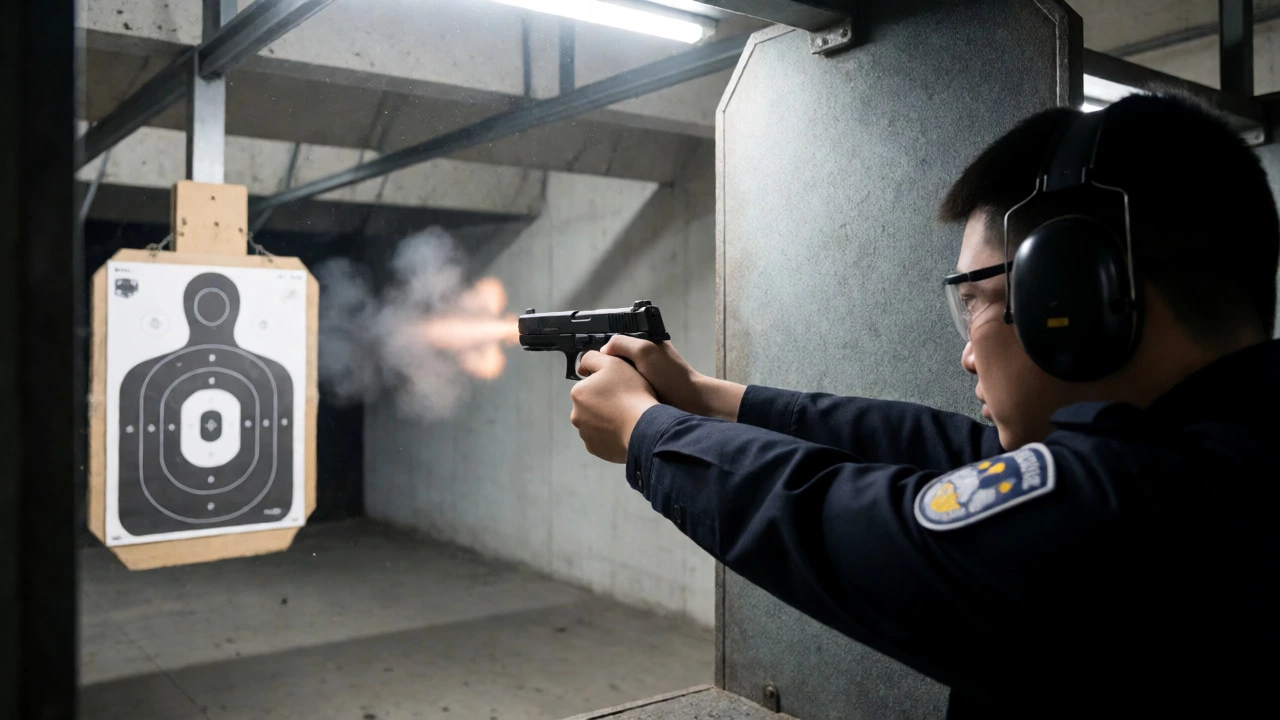
- Firearms Qualification: This is mandatory. You must qualify with your service weapon, backup weapon, and sometimes less-lethal options like Tasers. Failing these qualifications can delay your graduation.
- Defensive Tactics: Handcuffing techniques, control holds, and use-of-force continuums. You practice these until muscle memory takes over, because in a real fight, you don’t have time to think.
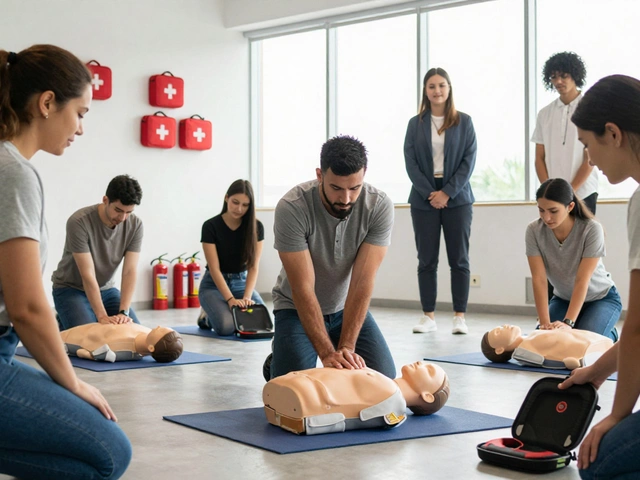
- CPR and First Aid: You are often the first responder on a scene. Medical certification is part of the package.
- Ethics and Bias: Modern academies place a huge emphasis on implicit bias training and ethical decision-making. This isn't just a checkbox; it’s evaluated during practical scenarios.
The Hidden Time Costs: Before and After the Academy
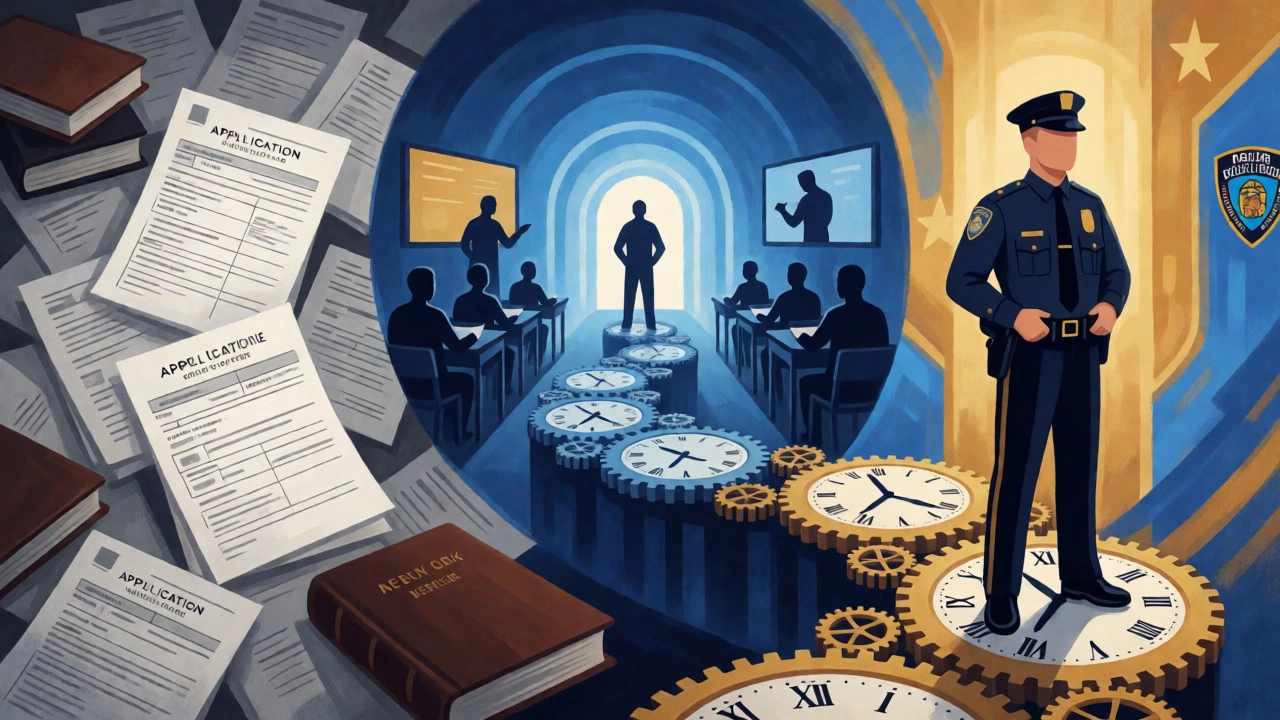
When people ask "how long," they usually mean the classroom time. But the recruitment process itself is a marathon. From the moment you submit your application to the day you start the academy, expect a 6 to 12-month wait.
Here is why:
- Application Review: This can take 2-4 months just to get scheduled for the exam.
- Physical Ability Test (PAT): Scheduling this can add another month depending on demand.
- Background Investigation: This is the longest bottleneck. Investigators interview your neighbors, former employers, and family members. In NYC, this can take 3-6 months alone.
- Medical and Psychological Exams: Once you pass the background, you still need to clear medical and psych evaluations.
So, if you apply today, you might not walk into the academy doors for nearly a year. And remember, once you graduate, you are placed on a hiring list. Depending on budget cycles and attrition rates, you might wait several months after graduation to receive your actual assignment.
Financial Reality Check
Are you paid during the academy? Yes. In New York, recruits are considered employees from day one. You earn a salary, though it is lower than a full officer’s pay. For the NYPD, recruits earn roughly $50,000-$55,000 annually (pro-rated) during the academy, plus benefits. However, if you are in a residential academy like Rikers or Albany, you lose the ability to hold a second job or manage household responsibilities easily.
Do not underestimate the cost of living adjustments. If you move to Albany for the NYSP academy, rent costs change. If you stay at home for a local academy, you save money but lose commute time. Plan your finances assuming you will be single-income for at least 18 months (recruitment + academy).
Tips to Survive the Timeline
Having coached dozens of recruits through this process, here is what I see trip people up:
- Get your paperwork perfect early. One missing tax form or unexplained gap in employment can stall your background check by months.
- Start physical prep now. Don’t wait for acceptance. The PAT is hard, and failing means waiting a year to retake it.
- Read the NY Penal Law beforehand. Walking into the academy knowing the basics gives you a massive confidence boost.
- Maintain your relationships. The isolation of a residential academy strains marriages and friendships. Communicate constantly.
The journey to becoming a police officer in New York is long, but it is structured. Knowing the exact timeline helps you stop guessing and start preparing. Whether it’s 16 weeks in NYC or 24 weeks in Albany, the clock starts ticking the moment you sign the contract.
Is the Police Academy in NY residential?
It depends on the agency. The NYPD academy on Rikers Island and the NY State Police academy in Albany are both residential, meaning recruits live on-site. Many local municipal departments offer non-residential programs where recruits commute daily.
Do you get paid during the police academy in New York?
Yes, recruits in New York are paid employees during their academy training. They receive a base salary, health insurance, and other benefits, although the pay rate is typically lower than that of a graduated police officer.
How hard is the NYPD Police Academy?
The NYPD academy is challenging due to its intensity and pace. Recruits face long days, strict discipline, and a heavy volume of information to memorize. Physical fitness is required, but the mental stamina to handle stress and complex legal scenarios is equally important.
Can you fail out of the police academy in NY?
Yes, you can be dismissed. Common reasons include failing firearms qualifications, poor academic performance on law exams, disciplinary issues, or inability to meet physical fitness standards. Dismissal rates vary by cohort but generally hover around 10-15%.
What is the total time from application to sworn officer in NY?
On average, it takes 12 to 18 months from submitting an application to being sworn in as a police officer. This includes the lengthy background investigation, medical exams, the academy itself (4-6 months), and the post-academy probationary period.

Write a comment