

IT Certification Path Finder
Not sure where to start? Select the area of technology that interests you most to see the recommended certification, the skills you'll gain, and the roles you can apply for.
General IT Support
FoundationNetworking
InfrastructureCloud Computing
ModernCybersecurity
SpecializedSelect a path on the left to view details
Key Takeaways for Aspiring Techies
- Most industry certifications have no formal education requirements.
- Certifications act as a 'proof of skill' that can bypass degree filters in HR software.
- A combination of entry-level certs and a home lab often beats a theoretical degree in practical interviews.
- Cloud and Cybersecurity certifications are currently the highest-leverage paths for non-degree holders.
How the Certification Game Actually Works
Think of a degree as a broad map and a certification as a specific tool. While a Computer Science degree teaches you the physics of how a computer works, an IT certification is a professional credential that validates your ability to perform specific technical tasks using a particular technology or methodology. Because the tech world moves so fast, university curricula often lag behind. By the time a student finishes a four-year degree, the tools they learned in year one might already be obsolete.
For someone without a degree, certifications are your equalizer. They provide a standardized way for an employer to know that you understand TCP/IP or how to configure a virtual private cloud without needing to see a piece of parchment from a university. Many hiring managers actually prefer a candidate with a current, relevant certification over a graduate with a degree from ten years ago who hasn't touched a command line since.
The Best Starting Points for Self-Taught Learners
If you're staring at a blank slate, don't try to tackle the hardest exams first. You'll burn out. Start with the foundations. The most recognized starting point globally is CompTIA. Specifically, the CompTIA A+ certification is the industry standard for entry-level technicians. It covers hardware, basic networking, and operating systems. If you can pass the A+, you've proven you have the baseline knowledge to handle a help desk role.
Once you have the basics, you can branch out into specialized paths. If you like the idea of managing servers and connectivity, look at Cisco and their CCNA (Cisco Certified Network Associate). If you're more interested in the 'invisible' part of the internet, move toward cloud platforms. Amazon Web Services, known as AWS, offers a Cloud Practitioner cert that is perfect for beginners. Similarly, Microsoft Azure has the AZ-900 Fundamentals exam. These aren't just badges; they are signals to employers that you speak the language of modern infrastructure.
Comparing the Most Popular Non-Degree Paths
Depending on what you enjoy doing, your certification path will look different. Some people love the puzzle of security, while others enjoy the logic of cloud architecture.
| Path | Key Certification | Primary Skill Gained | Typical Entry Role |
|---|---|---|---|
| General IT | CompTIA A+ | Hardware & OS Troubleshooting | Help Desk Technician |
| Networking | Cisco CCNA | Routing & Switching | Network Administrator |
| Cloud | AWS Cloud Practitioner | Cloud Infrastructure | Junior Cloud Engineer |
| Security | CompTIA Security+ | Threat Mitigation & Risk | Security Analyst |

Building a 'Proof of Skill' Portfolio
Here is the cold truth: a certification alone might get your resume past an automated filter, but it won't get you the job. An employer will ask, "Okay, you passed the test, but can you actually do the work?" This is where most non-degree candidates fail. You need to supplement your certs with a home lab.
Stop thinking of a 'lab' as a room full of expensive gear. You can build a professional-grade environment using VirtualBox or VMware. Install a few different versions of Linux, set up a domain controller, or build a small website on a free-tier AWS account. When you sit in an interview and say, "I don't have a degree, but I built a virtualized network with three subnets and a firewall in my living room," you've just proven more value than a student who only read a textbook.
Document everything. Use a platform like GitHub to store your scripts or a simple blog to write about the problems you solved. If you spent three days figuring out why a DNS setting was breaking your connection, write it down. That's called a 'write-up,' and it's gold for hiring managers because it shows how you think and troubleshoot.
Dealing with the 'Degree Required' Job Posting
You'll see a lot of job ads that say "Bachelor's Degree Required." Don't let that stop you from applying. In many companies, these requirements are written by HR departments, not the actual technical leads. The people managing the team often care far more about your portfolio and your ability to pass a technical screening than where you went to school.
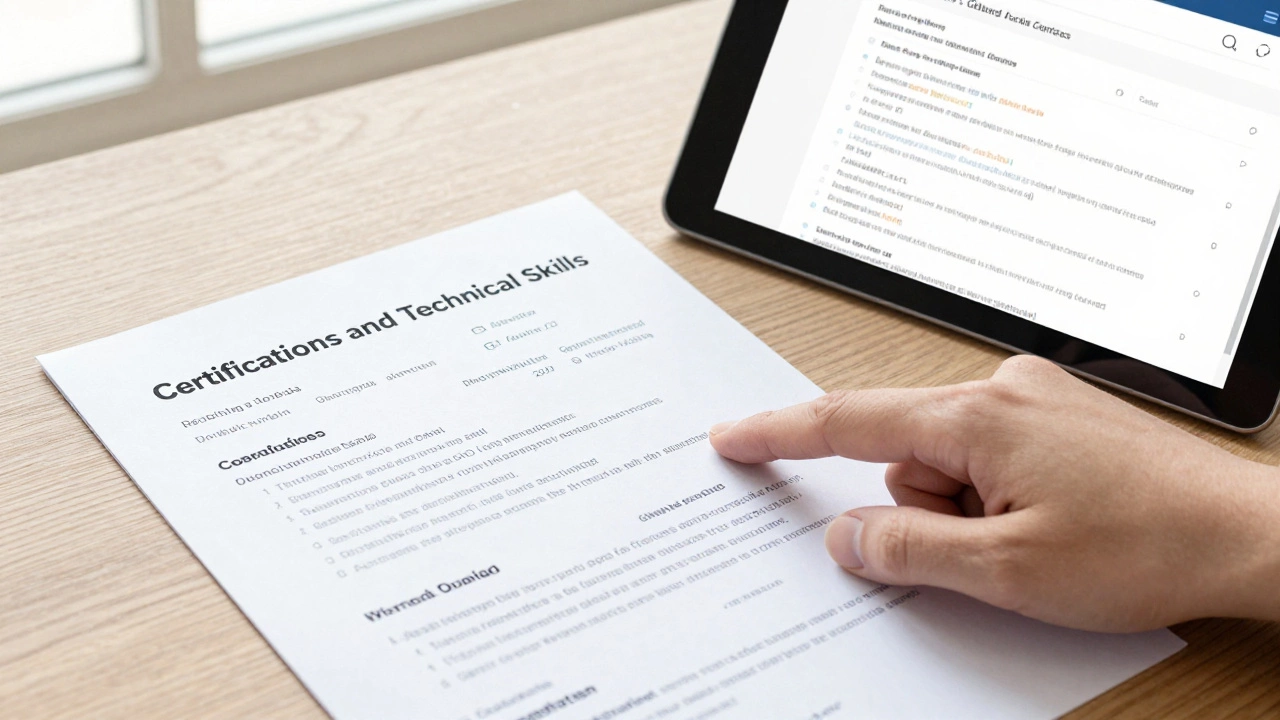
When you apply without a degree, tweak your resume. Instead of putting 'Education' at the top, put 'Certifications and Technical Skills' first. List your active certs and the specific tools you know (like Python, Docker, or Active Directory). If you have a degree in an unrelated field-say, History or Psychology-keep it on there. It shows you can commit to a long-term goal and finish it, which is a trait employers value regardless of the subject.
Potential Pitfalls to Avoid
Avoid the 'Certification Trap.' This is when a learner collects five or six certificates but never actually builds anything. It's called "paper certification." If you have a CCNA but can't explain how a three-way handshake works in a real-world scenario, you'll be spotted immediately in a technical interview. The goal is to use the certification as a structured study guide, not as a trophy.
Another mistake is ignoring the 'soft skills.' Tech is a team sport. You'll be dealing with frustrated users who can't log in or managers who don't understand why a server is down. Being able to explain a complex technical problem in simple English is just as important as knowing the command to reboot a router. Practice your communication as much as your coding.
Next Steps for Your Journey
If you're feeling overwhelmed, just pick one thing. Don't try to learn AWS, Cisco, and Security+ all at once. Start with the CompTIA A+ or a basic cloud cert. Once you get that win, the momentum will carry you forward. Set a study schedule, find a community on Reddit or Discord, and start breaking things in your home lab. That's where the real learning happens.



Write a comment