
IT Certification Speed Finder
Not sure which cert to start with? Answer two questions below to find the quickest path to employment.
Estimated Study Time:
Best For:
Quick Tips for This Cert
You need a job. Maybe you want a raise. Or perhaps you’re pivoting careers and don’t have two years to spend in a classroom. You’re looking for the fastest IT certification that actually gets you hired. The truth? There is no single "quickest" trade for everyone. It depends entirely on your starting point and where you want to go. But if we strip away the marketing fluff, a few specific paths stand out as genuinely fast tracks from zero to employable.
Let’s be real: "quick" in IT usually means weeks or months, not days. If someone promises you a certified network engineer status in three days, run. However, entry-level certifications can be prepped for and passed in 4-8 weeks with focused study. This guide breaks down the fastest routes based on what you already know and what jobs are hiring right now.
What Does "Quickest" Actually Mean?
Before you pick a course, define your goal. Are you trying to get past an HR filter? Then you need a recognized baseline like CompTIA A+. Are you trying to prove cloud skills to a startup? Then AWS Cloud Practitioner might be faster because it’s broader and less technical than specialized dev certs.
We measured speed by average study time for a beginner with basic computer literacy. We also looked at exam availability-some tests require scheduling weeks in advance, which adds delay. Here’s how the top contenders stack up.
| Certification | Avg. Study Time | Prerequisites | Best For |
|---|---|---|---|
| CompTIA A+ | 4-6 weeks | None (recommended) | Help Desk / Tech Support |
| Google IT Support Professional Certificate | 3-6 months (self-paced) | None | Junior Admin Roles |
| AWS Certified Cloud Practitioner | 2-4 weeks | Basic IT knowledge | Sales / Project Management |
| Microsoft Azure Fundamentals (AZ-900) | 2-3 weeks | None | Cloud Basics / Non-Tech Roles |
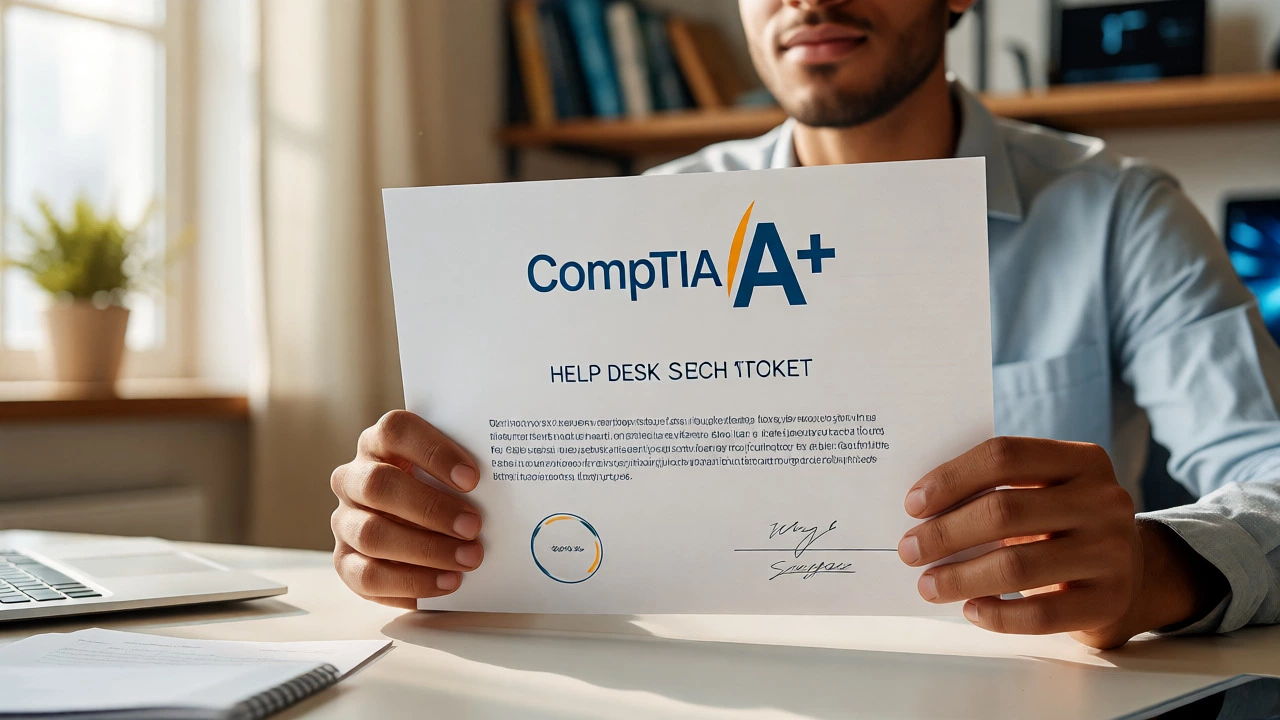
The Heavyweight Champion: CompTIA A+
If you want the most bang for your buck in terms of hiring potential per hour studied, CompTIA A+ is still king. It’s a vendor-neutral certification, meaning it doesn’t lock you into Microsoft or Apple. It covers hardware, networking, mobile devices, operating systems, security, and troubleshooting. Why is it considered quick? Because the material is foundational. If you’ve ever built a PC or fixed a printer issue at home, you already know 20% of this test.
Most people study for about 150-200 hours total. If you treat it like a part-time job (10 hours a week), you’ll pass in six weeks. If you cram full-time, four weeks is doable. The catch? It’s two exams: Core 1 (Hardware & Networking) and Core 2 (Operating Systems & Security). You have to pass both to get the certificate. Don’t let that scare you; many candidates pass them back-to-back within a month.
Who hires A+ holders? Managed Service Providers (MSPs), large corporate help desks, and retail tech support roles like Geek Squad. It’s the golden ticket for breaking into IT without a degree.
The Corporate Shortcut: Microsoft Azure Fundamentals (AZ-900)
If you work in a business environment, chances are they use Microsoft products. That makes Microsoft Azure Fundamentals (AZ-900) incredibly valuable and surprisingly fast. This isn’t a deep dive into coding or server administration. It’s a conceptual overview of cloud services, pricing models, and compliance.
Study time? Two to three weeks. Seriously. The exam costs $99 (often discounted during training events). You don’t need to know how to configure a virtual machine. You just need to know what one is and why a company would buy it. This cert is perfect for project managers, sales engineers, or anyone wanting to pivot into cloud roles without becoming a developer yet.
Because Microsoft dominates enterprise IT, having AZ-900 on your resume signals that you speak their language. It’s often a prerequisite for more advanced Azure admin roles, making it a strategic first step rather than just a quick win.
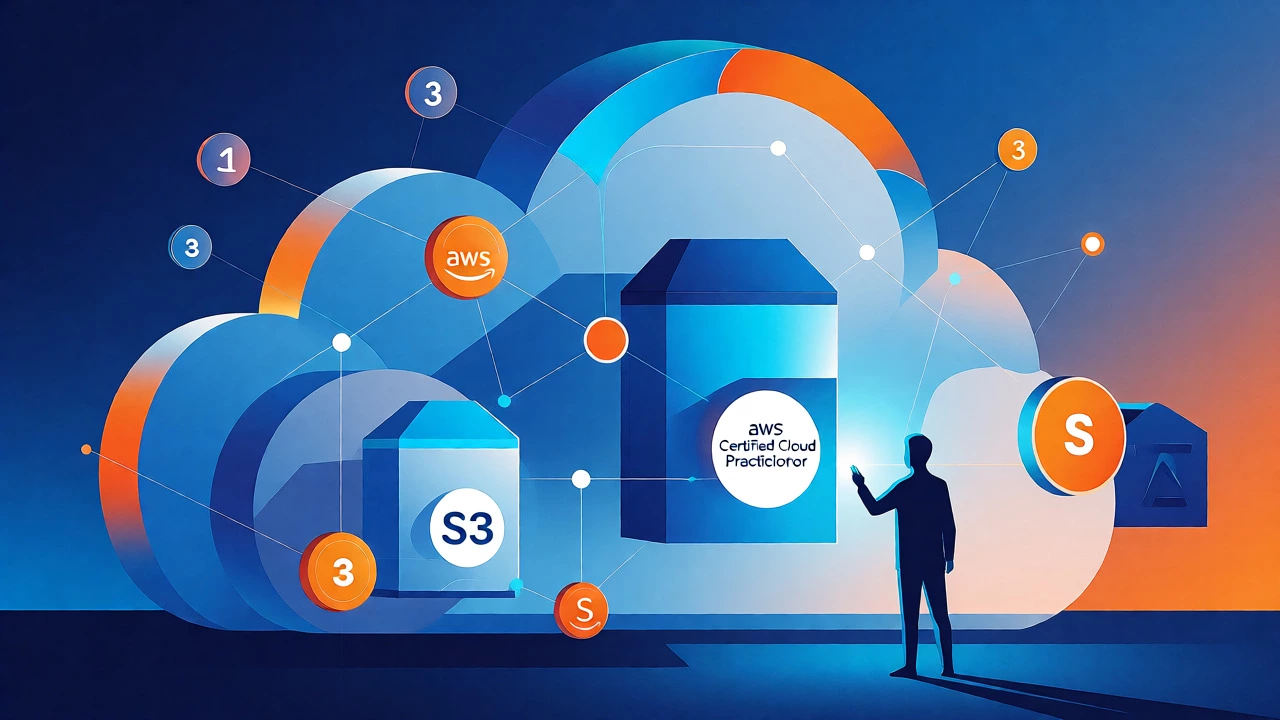
The Cloud Broadcaster: AWS Certified Cloud Practitioner
Amazon Web Services runs a huge chunk of the internet. The AWS Certified Cloud Practitioner exam is designed for non-technical stakeholders who need to understand the cloud. Think of it as the AZ-900 equivalent but for the Amazon ecosystem.
You can prep for this in 2-4 weeks using free resources like AWS Skill Builder or paid courses on platforms like Coursera. The exam focuses on core services (EC2, S3, RDS), security basics, and billing. It’s multiple-choice and relatively forgiving compared to technical associate-level exams.
Why take it? If you’re targeting startups or tech-forward companies, AWS recognition carries weight. It shows you understand modern infrastructure trends. Plus, passing it gives you confidence to tackle harder AWS certs later, like Solutions Architect Associate, which takes longer but pays significantly more.
The Structured Path: Google IT Support Professional Certificate
This one’s different. It’s not a single exam you pass in an afternoon. It’s a series of five courses hosted on Coursera, culminating in a professional certificate. While it takes longer to complete (typically 3-6 months at a moderate pace), it includes hands-on labs and practical projects. You’ll learn Linux command line, Python basics, and customer service soft skills.
Is it "quick"? Not in the traditional sense. But it’s efficient because it bundles education with credentialing. Many employers accept it in lieu of a degree for entry-level roles. If you hate standardized tests and prefer project-based learning, this is your fastest route to a portfolio-ready profile.
Note: Some students rush through this in 8 weeks by dedicating 15-20 hours a week. It’s intense but doable if you have strong self-discipline.
Hidden Gems: Niche Certs That Fly Under the Radar
Beyond the big names, there are niche certifications that can be acquired rapidly and lead to immediate contracts. Consider Scrum Master (CSM or PSM I). Yes, it’s project management, but it’s heavily used in IT. The Professional Scrum Master I (PSM I) exam can be taken online anytime. With good study materials, you can pass in a weekend. Companies desperate for agile coaches hire PSM I holders quickly.
Another sleeper hit is Cisco Certified Technician (CCT) or similar low-level Cisco certs. While CCNA is the standard, CCT is simpler and faster. It proves you can handle basic router/switch swaps. Field technicians love this because it validates physical layer skills without requiring deep protocol knowledge.

How to Speed Up Your Study Process
No matter which cert you choose, these tactics will cut your study time by half:
- Use Practice Exams Early: Don’t wait until you’ve read every chapter. Take a practice test day one. Identify weak areas. Focus only on those.
- Leverage Free Tier Labs: For AWS and Azure, use free tier accounts to build things. Reading about S3 buckets is boring; creating one and uploading a file sticks.
- Join Discord Communities: Sites like r/certifications or dedicated Discord servers share recent exam dumps (questions seen recently). Knowing the format reduces anxiety.
- Block Distractions: IT concepts require focus. One hour of deep work beats three hours of distracted reading.
Common Pitfalls to Avoid
Don’t fall for the trap of collecting certs without applying for jobs. A shelf full of papers doesn’t mean much if you haven’t updated your LinkedIn or applied to ten positions. Also, beware of "brain dump" sites that promise exact questions. They violate copyright and may teach outdated info. Stick to reputable providers like Boson or Professor Messer for video lessons.
Finally, check expiration dates. Most IT certs expire every three years. Factor recertification costs into your long-term plan. Some, like Google’s, don’t expire but become less relevant if you don’t keep learning.
Frequently Asked Questions
Which IT certification is easiest to pass?
For absolute beginners, Microsoft Azure Fundamentals (AZ-900) and AWS Certified Cloud Practitioner are generally considered the easiest due to their conceptual nature. They require less memorization of technical commands compared to CompTIA A+ or Cisco exams.
Can I get a job with just a fast IT certification?
Yes, especially for entry-level roles like Help Desk Technician or Junior Cloud Associate. However, pairing the cert with some hands-on experience (home labs, volunteer IT work) significantly boosts your chances over candidates with only paper credentials.
How much does the fastest IT certification cost?
Exam fees range from $99 (Azure/AWS fundamentals) to $246 (CompTIA A+ per exam). Training costs vary widely; you can study for free using YouTube and documentation, or pay $20-$50/month for structured courses on Udemy or Pluralsight.
Do I need a college degree if I have these certifications?
Not always. Many tech companies now prioritize skills and certifications over degrees, particularly for support and junior admin roles. Startups and MSPs are especially open to hiring certified individuals without traditional academic backgrounds.
Is CompTIA A+ worth it in 2026?
Absolutely. It remains the industry standard for entry-level IT support. While newer cloud certs are growing, A+ provides the fundamental troubleshooting logic needed for any IT role. It’s often a mandatory requirement for government and large corporate help desk jobs.



Write a comment