
Stylist Ergonomics & Risk Checker
Identify your physical pain points and find professional ergonomic solutions
Where are you feeling strain?
Pro Tip: If you experience sharp, radiating pain, please consult a physical therapist immediately.
Select a pain area on the left to see the ergonomic solution and preventive measures.
Lower Back Protection
Bending over chairs that are too low, putting pressure on L4/L5 vertebrae.
Hydraulic Stations: Use adjustable chairs to bring the client to your level, keeping your spine in its natural curve.
Wrist & Hand Health
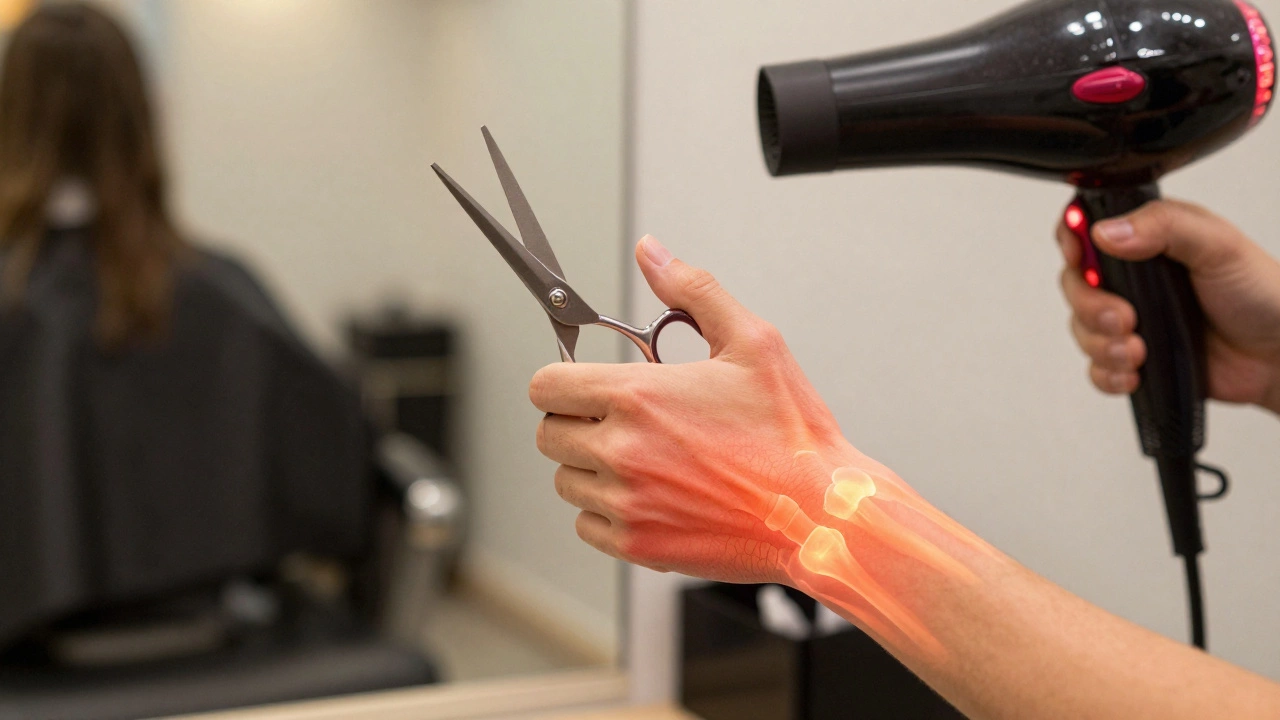
Repetitive shearing, gripping heavy dryers, and wrist flicking (Carpal Tunnel risk).
Swivel-Thumb Shears: These allow the wrist to remain straight during cutting, reducing nerve compression.
Leg & Foot Support
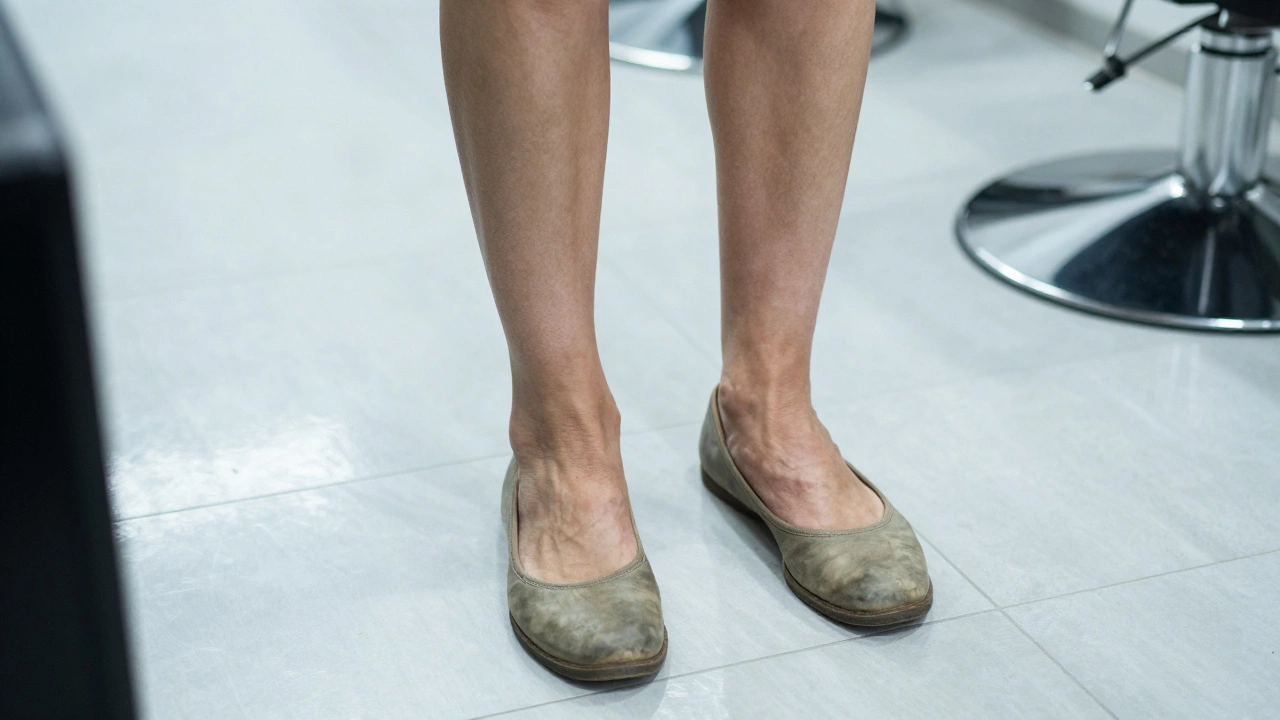
Static loading on hard floors and flat shoes causing blood pooling and plantar fasciitis.
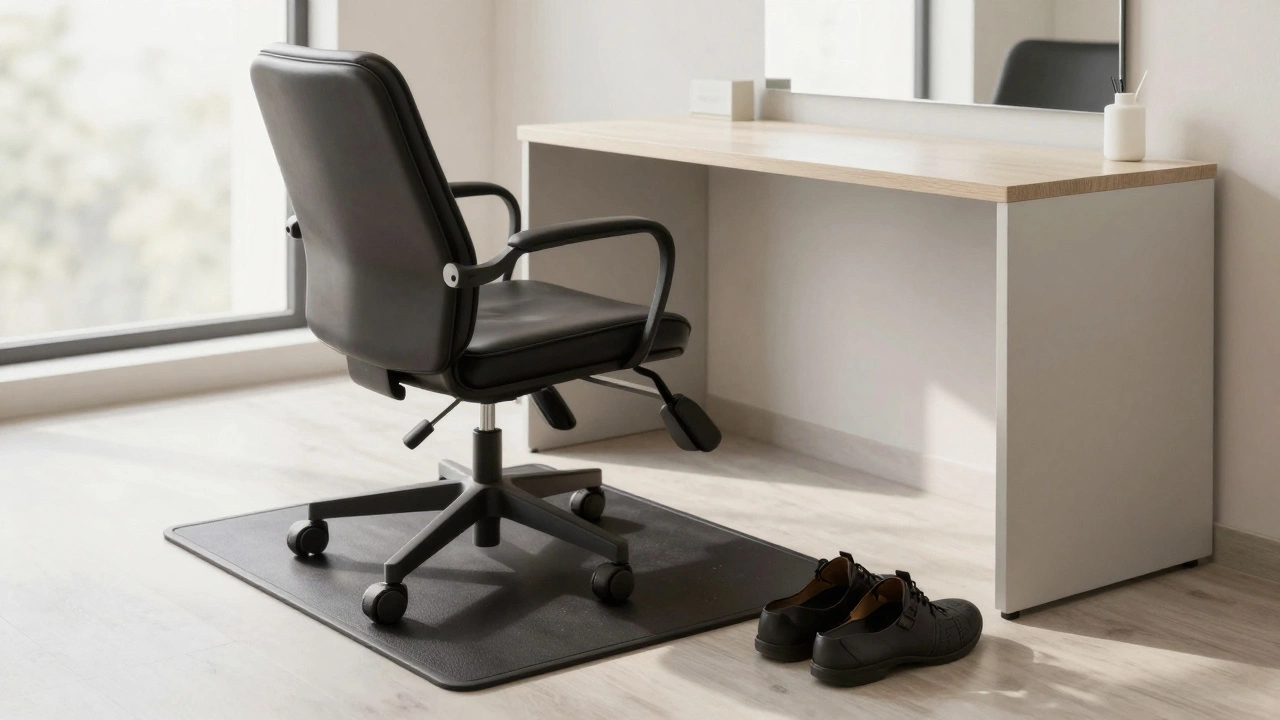
Anti-Fatigue Mats & Arch Support: Invest in professional footwear with a ~1 inch heel and wide toe box.
Shoulder & Neck Relief
Reaching too far across clients or holding arms above shoulder height for updos.
Client Repositioning: Move the client's seat or head position frequently to keep elbows tucked close to your body.
The hidden physical cost of the chair
Most people imagine the glamour of a salon-the transformation of a client's look and the social buzz. But if you spend eight hours a day on your feet, you know the reality is a lot more about aching calves and a stiff lower back. Is being a hairstylist hard on your body? The short answer is yes. It's an athletic profession disguised as a beauty service. You aren't just cutting hair; you're performing a repetitive physical dance in a very small space, often while holding your arms at awkward angles.
If you're considering enrolling in hairstylist physical health is a critical part of your training, you need to understand that your body is your most important tool. If the tool breaks, the business stops. From chronic inflammation to repetitive strain, the physical demands are significant, but they aren't inevitable. With the right approach to ergonomics, you can extend your career by decades.
Quick Takeaways for Stylists
- The most common issues are lower back pain, varicose veins, and carpal tunnel syndrome.
- Footwear is the foundation of your health; flat shoes are a recipe for disaster.
- Micro-breaks and dynamic stretching can prevent long-term joint stiffness.
- Ergonomic equipment, like hydraulic chairs, reduces the need for awkward bending.
Where it hurts most: The common danger zones
The physical strain of hairdressing usually clusters in a few specific areas. Your legs and feet take the brunt of the weight. Standing on hard salon floors for 10 hours a day leads to blood pooling in the lower extremities. Over time, this can cause Varicose Veins, which are swollen, twisted veins that cause aching and heaviness in the legs. It's not just about tired feet; it's about circulatory health.
Then there's the upper body. To get the perfect angle on a bob or a fade, stylists often hunch their shoulders or lean their torso to the side. This creates a massive imbalance in the spine. When you repeat this motion hundreds of times a week, you develop chronic lower back pain and neck tension. Many stylists find that by their mid-30s, they have a permanent "salon slouch" if they haven't practiced proper posture.
Your hands and wrists are the most vulnerable to Carpal Tunnel Syndrome. This condition happens when the median nerve is compressed as it passes through the wrist. Constant shearing motions, gripping heavy blow-dryers, and the repetitive flick of the wrist during a foil application create inflammation. If you start feeling a tingling sensation or numbness in your thumb and index finger, your body is waving a red flag.
The science of salon ergonomics
Ergonomics isn't just a fancy word for "comfort"; it's the science of designing the workspace to fit the human body. In a salon, the goal is to keep your joints in a "neutral position." This means your wrists are straight, your shoulders are relaxed, and your spine maintains its natural curve.
One of the biggest culprits is a chair that doesn't go high enough. When a stylist has to bend over to reach a client's hair, they put immense pressure on the L4 and L5 lumbar vertebrae. Using a high-quality Hydraulic Chair allows you to bring the client to your level, keeping your back upright. If you're leaning, you're losing years of your career.
| Pain Area | Common Cause | The Ergonomic Solution |
|---|---|---|
| Lower Back | Bending over short chairs | Adjustable hydraulic stations |
| Wrists/Hands | Tight grip on shears/dryers | Ergonomic swivel-thumb shears |
| Feet/Calves | Hard floors & flat shoes | Anti-fatigue mats & supportive arch shoes |
| Shoulders | Reaching too far across client | Repositioning the client's seat |
Footwear: Your most important investment
Forget the fashion of the salon for a second. Wearing flat ballet flats or thin sneakers is the fastest way to develop plantar fasciitis. Your feet need arch support to distribute your weight evenly. When you stand for long periods, the ligaments in your feet flatten, which pulls on the muscles in your calves and eventually affects your hip alignment.
Invest in shoes with a slight heel (about 1 inch) and a wide toe box. This prevents the toes from cramping and reduces the load on your Achilles tendon. Many veteran stylists swear by Orthopedic Shoes or custom insoles. If you can't afford high-end professional footwear immediately, adding a gel insert to a supportive sneaker is a non-negotiable first step.
Tactics to sustain your body long-term
You can't avoid the physical nature of the job, but you can manage the recovery. The key is to avoid "static loading," which is when your muscles stay in one position for too long. Every time you finish a client, take 30 seconds to do a dynamic stretch. Reach for the ceiling, roll your ankles, and gently stretch your wrists.
Hydration and nutrition also play a role. Because stylists are often rushing between clients, they forget to drink water. Dehydration makes your muscles more prone to cramping and your joints less lubricated. Similarly, a diet high in anti-inflammatory foods-like omega-3s found in salmon or walnuts-can help manage the swelling in your joints after a grueling Saturday shift.
Consider the way you hold your tools. If you've been using the same shears for years, check if they are causing you to twist your hand in an unnatural way. Swivel-thumb shears are designed to keep the wrist straight, which significantly lowers the risk of repetitive strain injuries. It might feel weird for a week, but your tendons will thank you in ten years.
The role of training and professional development
Many people enter the industry through Vocational Training, but they often find that the technical side (how to cut and color) is prioritized over the physical side (how to stand and move). If your course didn't cover ergonomics, you have to seek that knowledge independently.
Learning about body mechanics is just as important as learning a new balayage technique. Understanding how to shift your weight from one foot to the other-instead of locking your knees-prevents joint wear. When you're working on a client, try to keep your elbows tucked in close to your body. Reaching far away from your center of gravity puts unnecessary torque on your spine.
Can I keep doing hair if I already have back pain?
Yes, but you must change how you work. Start by upgrading your chair to a high-quality hydraulic model to eliminate bending. Incorporate "active recovery" like yoga or swimming to strengthen your core, which supports your spine. If the pain is sharp or radiating, see a physical therapist to ensure you don't have a herniated disc before continuing heavy work.
Are anti-fatigue mats actually effective?
Absolutely. These mats create a subtle instability that forces your leg muscles to make tiny, unconscious movements. This keeps the blood flowing and prevents the stagnant pooling that leads to varicose veins and swelling. It's much better than standing on tile or hardwood.
How often should I replace my shoes?
For a full-time stylist, the cushioning in professional shoes typically compresses after 6 to 12 months. Once the midsole loses its "bounce," the shock of the floor travels directly into your joints. If you notice you're more tired at the end of the day than usual, it's time for a new pair.
What are the first signs of carpal tunnel in stylists?
Keep an eye out for tingling, numbness, or a "pins and needles" feeling in your thumb, index, and middle fingers. You might also notice a loss of grip strength, making it harder to hold heavy blow-dryers. If you wake up at night wanting to "shake out" your hands, it's a strong indicator of nerve compression.
Does the type of hair cutting technique affect body strain?
Yes. Techniques that require you to hold your arms above shoulder height for long periods (like certain updos or high-crown cuts) increase tension in the trapezius muscles and neck. Switching your stance and adjusting the client's head position frequently can distribute the load.
Next steps for a healthier career
If you're a student or a new stylist, start your habits now. Don't wait for the pain to start before you buy the good shoes or the ergonomic shears. If you're already experiencing discomfort, start with a "body audit." Note exactly where you feel the most tension during a typical service. Is it when you're foil-wrapping? When you're blow-drying? Once you find the trigger, you can adjust your equipment or your posture to fix it.
For those in a salon environment, talk to your manager about anti-fatigue mats. They are a relatively low-cost investment that can prevent a star stylist from having to take a long-term medical leave. Remember, your career is a marathon, not a sprint. Taking five minutes to stretch and investing in your gear isn't a luxury-it's a business necessity.



Write a comment