
Welding Challenge & Safety Estimator
Select your working conditions and experience level to see the primary risks you face and how to mitigate them.
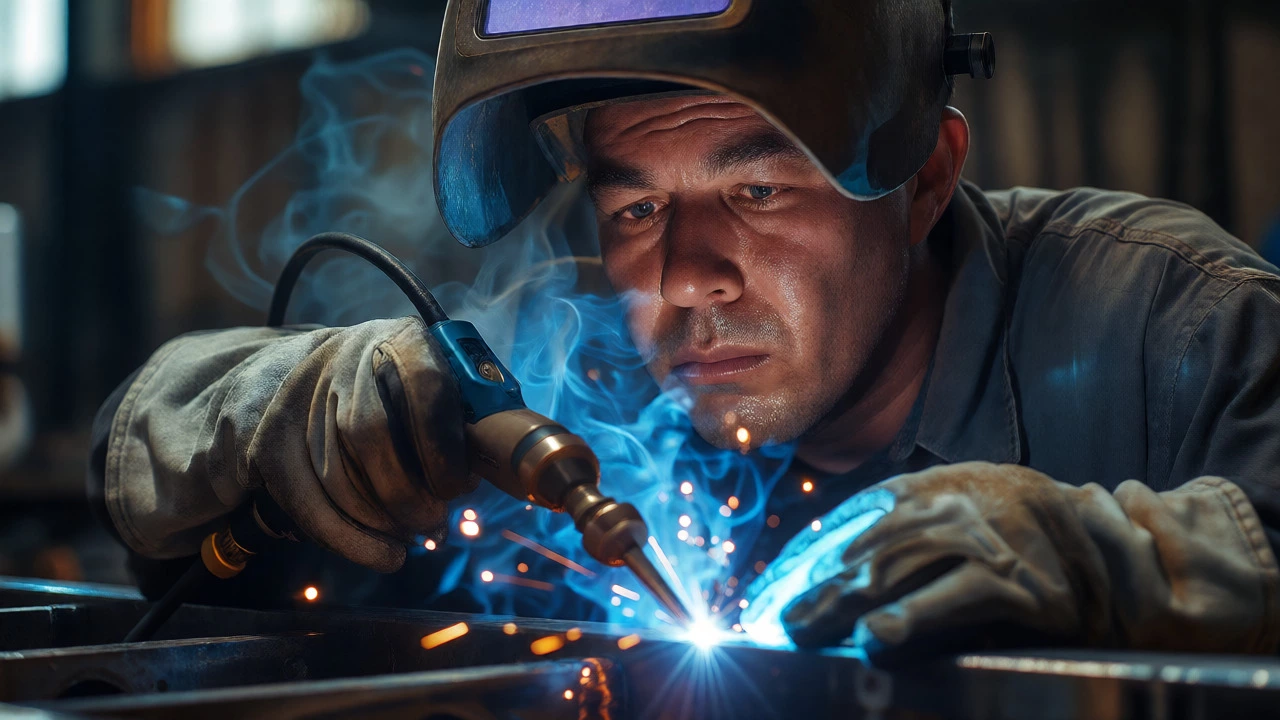
You see sparks flying, heavy steel plates being fused together, and a steady hand guiding a torch. It looks powerful, maybe even a bit romantic in movies. But ask any welder about their day, and they won't talk about the glory. They'll talk about the heat, the ache in their lower back, and the sheer mental focus required to not burn your own face off.
If you're considering welding courses or just curious about the trade, you need to know what you're signing up for. It isn't just about making things stick together. The hardest part of being a welder isn't one single thing-it's a combination of physical endurance, environmental hazards, and the relentless pressure to produce perfect work under uncomfortable conditions. Let's break down what actually makes this job tough, beyond the obvious "it's hot" answer.
The Physical Toll: More Than Just Sore Muscles
People often underestimate the physical demand of welding. You might think it's sedentary because you're often sitting or standing in one spot. Wrong. You are holding heavy equipment, maneuvering awkwardly around large structures, and maintaining static positions for hours. This leads to chronic issues that many tradespeople face eventually.
- Eye Strain and Arc Eye: Even with modern auto-darkening helmets, looking at the arc causes strain. Without proper protection, UV radiation can cause photokeratitis, commonly known as "arc eye," which feels like sand in your eyes.
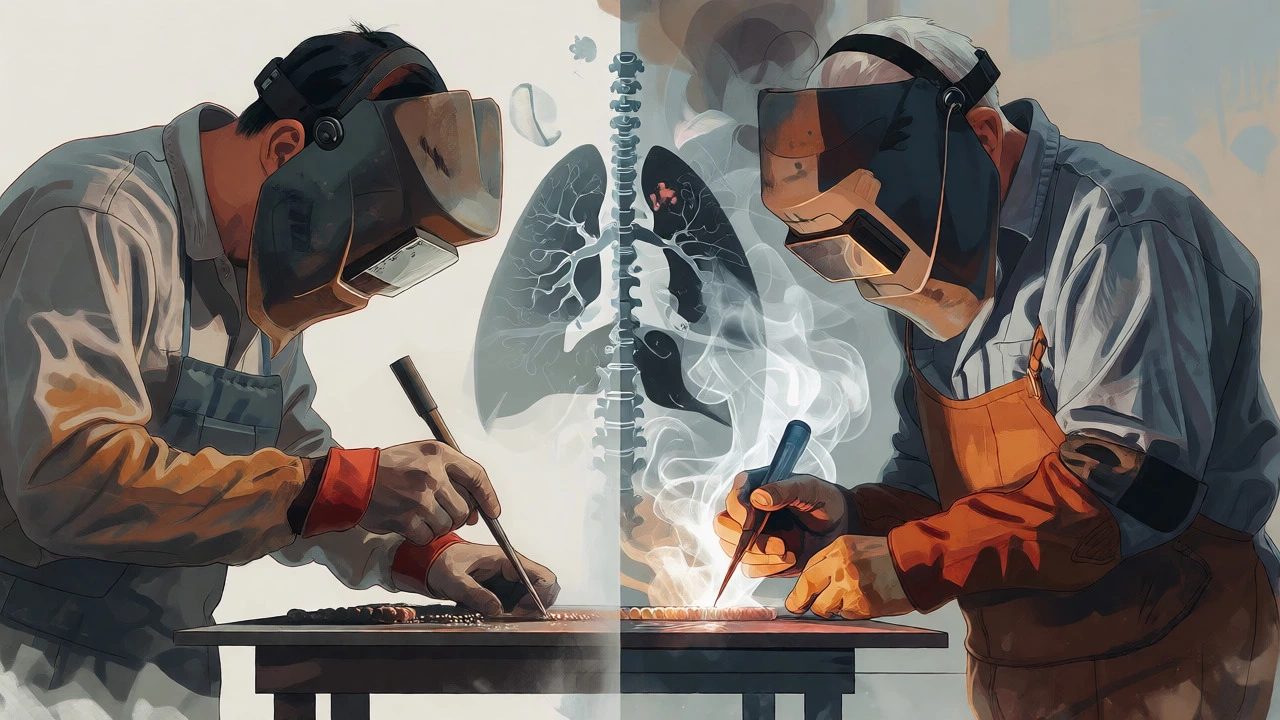
- Respiratory Issues: Welding fumes contain toxic metals like manganese, chromium, and nickel. Long-term exposure without adequate ventilation can lead to metal fume fever or more serious lung conditions.
- Musculoskeletal Disorders: Repetitive motions and awkward postures contribute to carpal tunnel syndrome, shoulder impingement, and severe back pain. A welder working on a pipe overhead is fighting gravity with every second.
In Bristol, where I've seen plenty of shipyard and construction projects, the humidity adds another layer. Wearing thick leather gloves and a long-sleeved jacket in August while standing next to a 3,000-degree arc? That’s a recipe for heat exhaustion if you don’t manage your breaks properly.
The Mental Game: Precision Under Pressure
Here is something beginners rarely expect: the mental fatigue. Welding requires intense concentration. One slip, one moment of distraction, and you ruin a piece of expensive steel or create a weak joint that could fail later. For structural welders, this isn't just about aesthetics; it's about safety. If a bridge beam fails because of a porous weld, people get hurt.
This constant vigilance drains your brain faster than you'd think. You’re constantly adjusting parameters-amperage, travel speed, angle-and watching the molten pool behave. It’s like threading a needle while running a marathon. The cognitive load is high, especially when you're new. Experienced welders develop muscle memory, but that takes years. Until then, every bead feels like a test.
Environmental Hazards and Discomfort
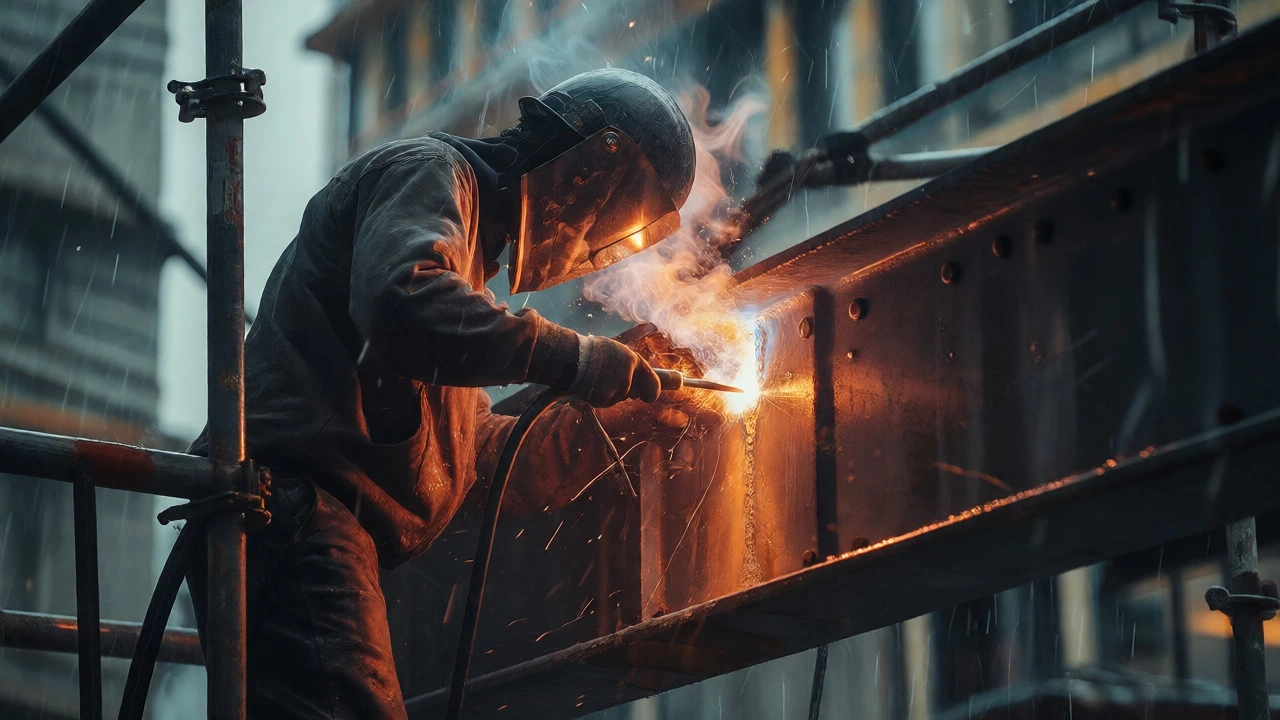
Welders don't always work in clean, climate-controlled shops. Often, you're in tight spaces, outdoors in bad weather, or up high on scaffolding. These environments introduce risks that go beyond the spark itself.
| Environment | Primary Challenge | Safety Mitigation |
|---|---|---|
| Confined Spaces (Tanks/Pipes) | Poor ventilation, heat buildup, limited escape routes | Forced air extraction, buddy system, continuous monitoring |
| Outdoors (Construction Sites) | Wind affecting arc stability, rain creating shock hazard | Wind screens, waterproof gear, GFCI outlets |
| Overhead Positions | Falling slag, arm fatigue, neck strain | Proper PPE coverage, frequent stretching, ergonomic tools |
Working outdoors means battling the elements. Wind can blow away shielding gas, ruining your weld. Rain can turn a puddle into an electrical hazard. And let's not forget the noise. Angle grinders used to prep joints are deafening. Hearing loss is a real, silent career-ender if you skip ear protection.
The Skill Curve: Why It Takes So Long to Master
Unlike some jobs where you can fake competence for a few months, welding exposes you immediately. Your weld either holds, or it doesn't. There's no hiding behind jargon. This steep learning curve is frustrating. In my experience mentoring apprentices, the first six months are humbling. You spend hours grinding out bad beads. You waste material. You feel clumsy.
The hardest technical aspect is often controlling the molten pool. Different metals react differently. Aluminum oxidizes instantly. Stainless steel warps easily. Carbon steel is forgiving but still demands consistency. Learning to read the sound of the arc and the color of the smoke is an art form that takes thousands of hours to refine.
Career Sustainability: Burnout and Job Satisfaction
So, why do people stay? Despite the hardships, there's a deep satisfaction in seeing a finished product. But burnout is real. The combination of physical pain, isolation (welders often work alone), and repetitive tasks wears people down. Many leave the trade within five years due to injury or dissatisfaction.
To survive long-term, you have to treat your body like an athlete treats theirs. Stretching, hydration, and proper technique aren't optional-they're survival tools. Companies that invest in good ventilation, ergonomic setups, and fair pay retain their best welders. Those that don't end up with high turnover and quality issues.
How to Prepare Before You Start
If you're thinking about enrolling in a course, here’s how to mitigate the hardest parts before you even pick up a torch:
- Get Fit: Focus on core strength and flexibility. Your back will thank you.
- Invest in Quality PPE: Don't cheap out on your helmet or gloves. Auto-darkening helmets reduce neck strain by letting you keep your head up.
- Learn Ventilation Basics: Understand local exhaust ventilation systems. Know what fumes you're breathing.
- Practice Patience: Accept that you will make mistakes. Learn from them quickly.
Welding is a skilled trade that pays well and offers tangible results. But it demands respect for its physical and mental costs. If you go in knowing the challenges, you'll be better equipped to handle them.
Is welding physically harder than other trades?
It depends on the specialization. Pipe welding is extremely demanding due to confined spaces and awkward positions. Fabrication shop welding might be less physically taxing but more repetitive. Compared to plumbing or electrical work, welding often involves more direct exposure to heat and heavy lifting, leading to higher rates of musculoskeletal injuries.
How long does it take to become proficient enough to handle the stress?
Most welders say it takes 1-2 years of consistent practice to feel confident in basic techniques. However, mastering advanced processes like TIG welding on aluminum or passing strict code inspections can take 5+ years. The mental confidence comes after you've fixed enough mistakes to trust your instincts.
What health problems are most common among older welders?
The top three are hearing loss from grinder noise, vision degradation (including cataracts) from UV exposure, and chronic back or joint pain from poor posture. Respiratory issues from fume inhalation are also prevalent if protective measures weren't strictly followed early in the career.
Does automation replace the hard parts of welding?
Not entirely. Robots handle repetitive, flat-position welds well, reducing physical strain. However, complex repairs, field welding, and custom fabrication still require human dexterity and judgment. Automation shifts the hard part from manual execution to programming and maintenance, which has its own set of challenges.
How can I reduce the mental fatigue of welding?
Break tasks into smaller chunks. Use checklists to automate decision-making. Ensure your workspace is organized so you aren't searching for tools mid-weld. Regular short breaks help reset your focus, preventing errors caused by zoning out.


Write a comment