

🛡️ UK Workplace Safety Hazard Identifier Quiz
Scenario
Loading...
Quiz Complete!
Review your answers below.
Walking into a new job site or office often feels like stepping into a maze of unspoken rules. You know you need to be careful, but exactly what does that mean in practice? General safety training is the foundational instruction provided to employees to identify hazards, prevent accidents, and understand legal responsibilities in the workplace. It is not just a box-ticking exercise; it is the first line of defense against injuries that can derail careers and lives. In the United Kingdom, this type of training is governed by strict standards set by the Health and Safety Executive (HSE). Whether you are working in a high-rise construction zone or a quiet retail store, understanding the core principles of safety is non-negotiable. This guide breaks down what general safety training actually covers, why it matters more than ever in 2026, and how it differs from specialized role-specific courses.
Core Components of Workplace Safety Instruction
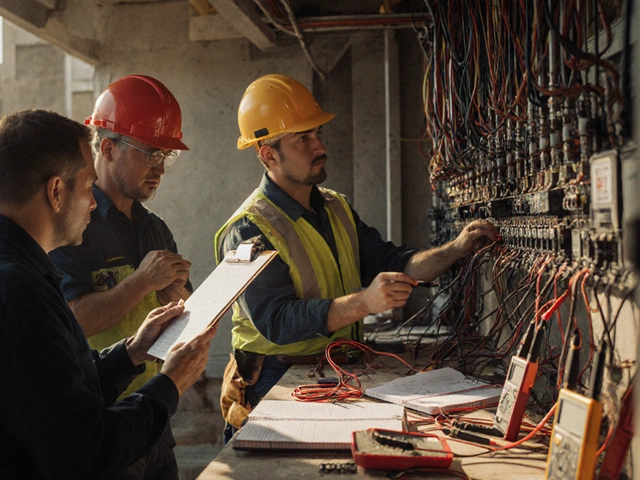
When you sit through a general safety session, you aren't just listening to someone read from a manual. The content is designed to cover the universal risks present in almost every work environment. Think of it as the baseline knowledge required before you touch any specific tools or machinery. The curriculum typically revolves around three main pillars:- Hazard Identification: Learning to spot trip hazards, electrical dangers, and ergonomic risks before they cause harm.
- Emergency Procedures: Knowing where the fire exits are, how to use an extinguisher, and who to call in a crisis.
- Legal Compliance: Understanding your rights and duties under the Health and Safety at Work etc. Act 1974.
Why the HSE Makes This Non-Negotiable
You might wonder why employers spend time and money on this if everyone "knows" basic safety. The answer lies in liability and culture. The Health and Safety Executive (HSE) enforces regulations that require employers to provide adequate information, instruction, and training. If an accident happens and no record of general safety training exists, the company faces significant fines and reputational damage. But beyond the legal fear factor, there is a human element. Data from recent years shows that a large percentage of workplace accidents are caused by behavioral errors rather than equipment failure. When workers understand *why* a rule exists, they are far less likely to break it. General safety training bridges the gap between a written policy and actual daily behavior.In 2026, with the rise of remote work and hybrid models, the scope of these trainings has also expanded. It now includes digital safety, such as data protection basics and ergonomics for home offices, ensuring that the definition of "workplace" remains comprehensive.
Induction vs. Ongoing Training: What's the Difference?
A common point of confusion is the distinction between an induction and continuous professional development in safety. Let’s clear that up. An induction is a one-time event that occurs when you start a new role or move to a new location. It provides the initial overview of site-specific risks and emergency contacts. On the other hand, ongoing training involves regular refreshers, toolbox talks, and updates on new legislation or technologies. Think of it this way: Induction is like learning the map of a city. Ongoing training is like checking traffic updates every morning because roadworks change constantly. Both are essential, but they serve different purposes. Many employers combine these by having a short annual refresher course that reinforces the key points from the original induction while introducing new hazards.
Key Topics Covered in Standard Modules
While every industry has its quirks, the core modules for general safety training remain remarkably consistent across sectors. Here is a breakdown of what you can expect to learn in a standard four-hour course:| Module Topic | Primary Focus | Real-World Application |
|---|---|---|
| Fire Safety | Evacuation routes and extinguisher types | Knowing which extinguisher to use for an electrical fire vs. a wood fire |
| Risk Assessment | Identifying potential harm | Spotting a loose cable before tripping over it |
| PPE Usage | Correct wearing and maintenance | Ensuring hard hats fit properly to prevent head injuries |
| Manual Handling | Lifting techniques | Protecting your back when moving boxes or equipment |
Common Mistakes That Undermine Safety Culture
Even with good training, companies can fail if they ignore subtle cultural shifts. One of the biggest mistakes is treating safety as a burden rather than a benefit. When managers rush through briefings to get back to "real work," employees pick up on that signal. They start viewing safety rules as obstacles to productivity. Another frequent error is assuming that verbal instructions are enough. In the UK, keeping records of attendance and comprehension is best practice. If you can't prove you were trained, legally, it often counts as if you weren't. This is why digital learning platforms have become popular-they automatically log completion times and quiz scores, creating an audit trail that satisfies both internal HR needs and external inspectors. Finally, ignoring feedback loops is dangerous. If a worker spots a hazard and reports it, only to have nothing happen, they will stop reporting future issues. General safety training should always include a section on how to report incidents without fear of reprisal, fostering a transparent environment where safety is everyone's responsibility.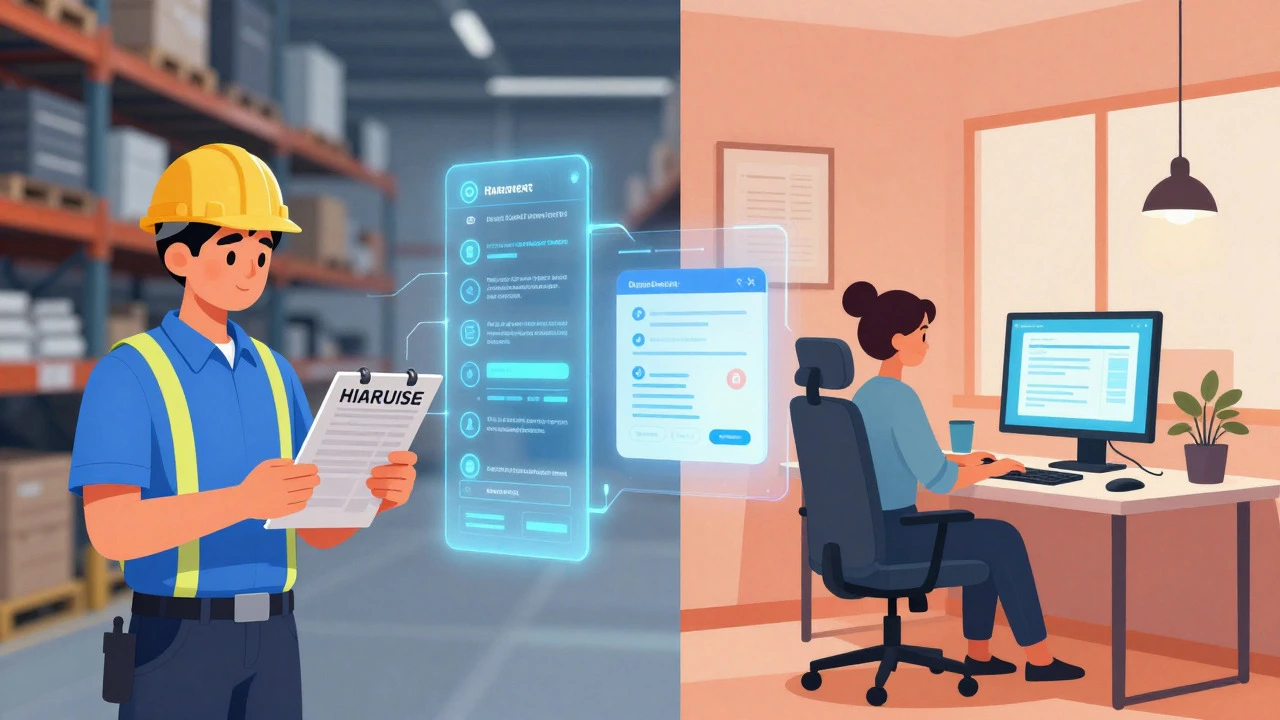
How to Choose the Right Course for Your Needs
Not all safety training is created equal. When selecting a provider or designing an internal program, look for specific indicators of quality. First, check if the course aligns with current HSE guidelines. Second, ensure the trainer has relevant industry experience. A generic online video might cover the basics, but a live workshop allows for Q&A and scenario-based learning, which is far more effective for retention. Consider the format too. For roles involving heavy machinery, hands-on demonstrations are crucial. For office-based staff, interactive e-learning modules focusing on ergonomics and stress management might be more appropriate. The goal is to match the delivery method to the risk profile of the job. If you are an employer, remember that investing in high-quality general safety training reduces absenteeism and insurance premiums. It is a cost-saving measure disguised as a compliance requirement. By prioritizing clarity and relevance, you build a workforce that takes ownership of their own well-being.Frequently Asked Questions
Is general safety training legally required in the UK?
Yes, under the Management of Health and Safety at Work Regulations 1999, employers must provide adequate instruction and training. While there is no single "certificate" mandated by law for all jobs, failing to provide this training can lead to prosecution if an incident occurs.
How long does general safety training usually take?
Standard introductory courses typically range from two to four hours. However, complex industries like construction or healthcare may require longer sessions, sometimes spanning half a day, to cover specific site risks thoroughly.
Does general safety training expire?
There is no statutory expiration date for general awareness, but best practice suggests refreshing knowledge annually. Specific certifications, like first aid or fire warden status, have defined validity periods, often three years, after which retraining is mandatory.
Who is responsible for providing this training?
The primary responsibility lies with the employer. However, subcontractors and temporary agency workers must also receive equivalent training. In shared workplaces, the principal contractor often coordinates the initial briefing for all parties involved.
Can I do general safety training online?
Yes, many aspects of general safety awareness can be completed via e-learning. This is convenient for theory-based modules. However, practical skills like using fire extinguishers or manual handling techniques generally require face-to-face demonstration to ensure competence.


Write a comment