What Are the 7 Steps to Safety? A Practical Guide for Everyday Workplaces
Learn the 7 practical steps to safety that prevent injuries at work. Simple, proven habits for every workplace-from factories to offices. No jargon. Just what works.

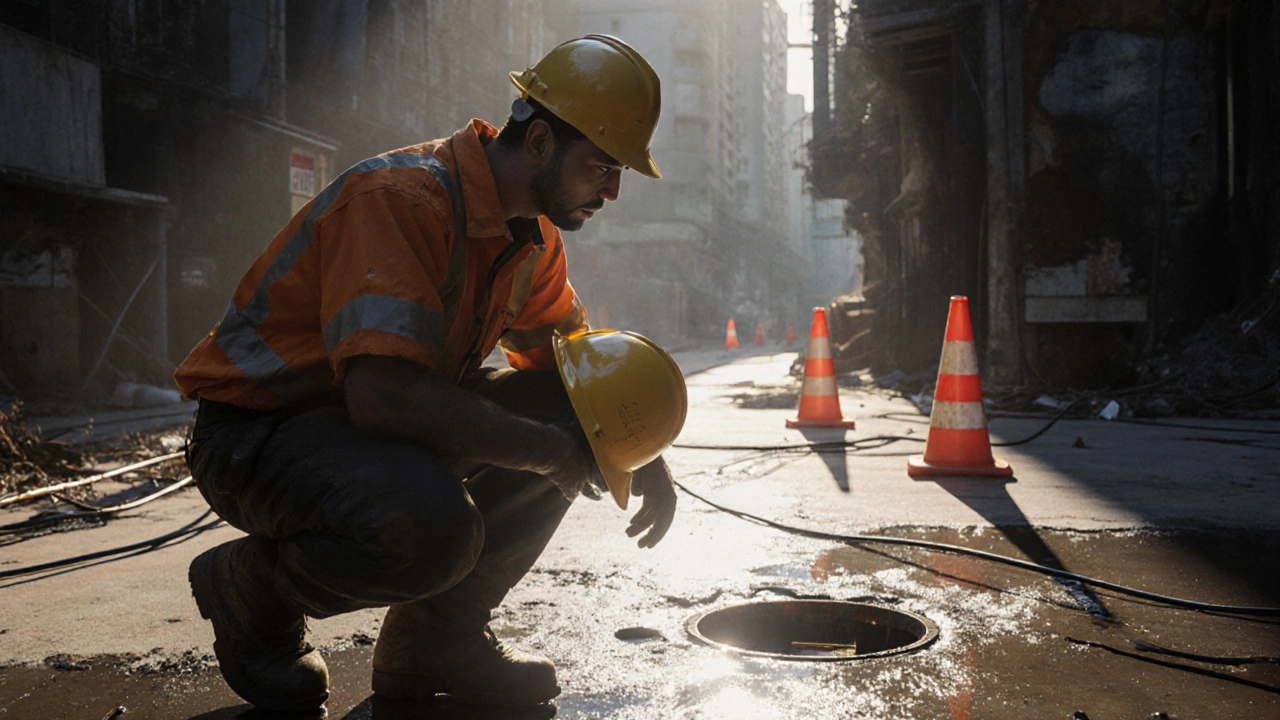
When you're working with tools, chemicals, or heavy equipment, safety steps, practical actions taken to prevent injury and ensure compliance in hands-on jobs. Also known as workplace safety protocols, these aren't just rules—you're not just avoiding fines, you're avoiding hospital visits. Whether you're cutting hair, welding metal, or running electrical wires, every trade has its own set of non-negotiable safety steps. These aren’t theoretical. They’re the difference between going home at the end of the day and not.
Good safety steps start with the right gear: gloves, goggles, steel-toed boots, and masks aren’t optional—they’re your first line of defense. But gear alone won’t save you. You need to know safety training, structured learning that teaches how to handle risks in specific trades. A barber who skips blade disinfection, a plumber who ignores gas leak checks, or an electrician who works on live wires—none of them are being brave. They’re being reckless. And the data doesn’t lie: over 60% of workplace injuries in skilled trades happen because someone skipped a basic step they knew was there.
It’s not just about you. Safety steps protect your coworkers, your clients, and even the people who clean up after you. In hairdressing, a sharp shear left on a counter isn’t just a nuisance—it’s a hazard. In plumbing, a loose pipe joint isn’t just sloppy—it’s a flood waiting to happen. These aren’t abstract concepts. They’re daily decisions. And the best safety training doesn’t come from a 30-minute video. It comes from doing it right, over and over, until it’s automatic.
That’s why the posts below cover real-world safety in action: how to handle tools without getting hurt, what certifications actually require safety proof, and why skipping steps costs more than just time. You’ll find guides on NVQ assessments that check your safety habits, how carpenters use math to avoid mis-cuts that turn dangerous, and why even IT workers need to know physical safety when handling servers and cables. This isn’t about fear. It’s about control. Knowing the right safety steps means you work faster, smarter, and with less stress. And that’s the kind of edge that lasts longer than any certificate.
Below, you’ll find practical advice from people who’ve been there—no fluff, no theory, just what works on the job site, in the salon, or behind the wrench.
 23 Nov 2025
Learn the 7 practical steps to safety that prevent injuries at work. Simple, proven habits for every workplace-from factories to offices. No jargon. Just what works.