What Are the 7 Steps to Safety? A Practical Guide for Everyday Workplaces
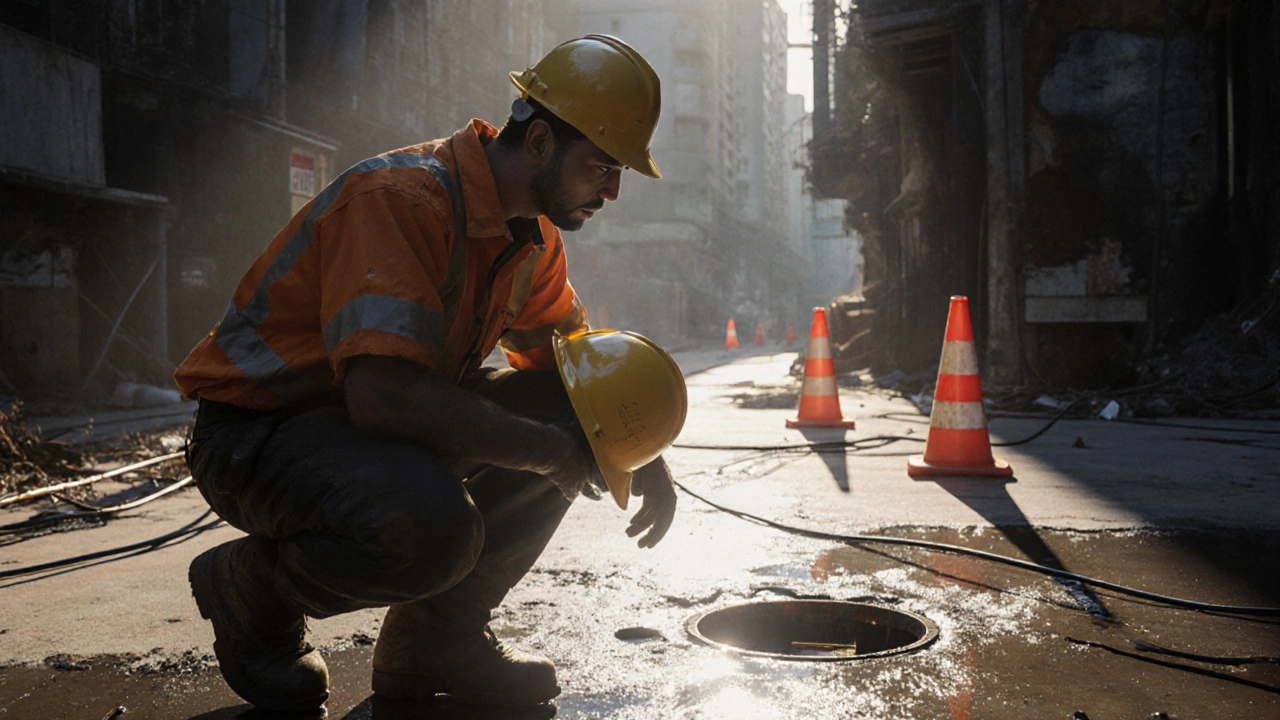
Learn the 7 practical steps to safety that prevent injuries at work. Simple, proven habits for every workplace-from factories to offices. No jargon. Just what works.

When you hear safety protocol, a set of standardized rules designed to prevent accidents and protect workers in hazardous environments. Also known as workplace safety procedures, it’s not just a checklist you ignore until an inspector shows up—it’s the difference between going home at the end of the day and not. Every job, from a hair salon to a construction site, has its own version. And if you’re running a team, ignoring it isn’t laziness—it’s a legal risk.
Real safety training, hands-on instruction that teaches people how to follow safety protocol in their specific job isn’t about watching a 10-minute video and checking a box. It’s about practicing how to handle a spill, how to shut down equipment safely, how to spot a frayed wire before it sparks. That’s why the best safety protocols are built from real incidents—not theory. OSHA compliance isn’t a goal; it’s the bare minimum. The real win is when your team starts reminding each other, "Hey, did you lock out that machine?" That’s when safety becomes culture, not compliance.
And it’s not just about big dangers. In a salon, a safety protocol might mean cleaning scissors between clients to stop infections. On a job site, it could mean wearing a harness on a roof. Even in IT, where you think there’s no risk, safety protocol covers how to handle data breaches or emergency shutdowns. risk management, the process of identifying, evaluating, and reducing potential hazards before they cause harm isn’t a job for the safety officer alone—it’s everyone’s job.
What you’ll find in these posts isn’t fluff. It’s real talk from people who’ve been there: how to actually start safety training without wasting time, what OSHA really expects (and what they don’t), and why most companies fail at this—not because they’re bad, but because they’re trying to do it wrong. You’ll see how a single step, done right, can stop a disaster before it starts. No corporate jargon. No PowerPoint slides. Just what works on the ground.
 23 Nov 2025
Learn the 7 practical steps to safety that prevent injuries at work. Simple, proven habits for every workplace-from factories to offices. No jargon. Just what works.