
Skin Needling Qualification Path Finder
Answer a few questions to find out which qualification path you need to follow to practice safely and legally.
Do you currently hold a professional license in Beauty Therapy or Esthetics?
Quick Summary: The Essentials
- You generally need a foundational qualification in beauty therapy or aesthetics.
- A specific certification in microneedling is required to handle the equipment safely.
- Insurance providers usually demand proof of accredited training before covering you.
- Medical-grade needling (deeper penetration) often requires a nursing or medical degree.
The Foundation: Starting with Beauty Therapy
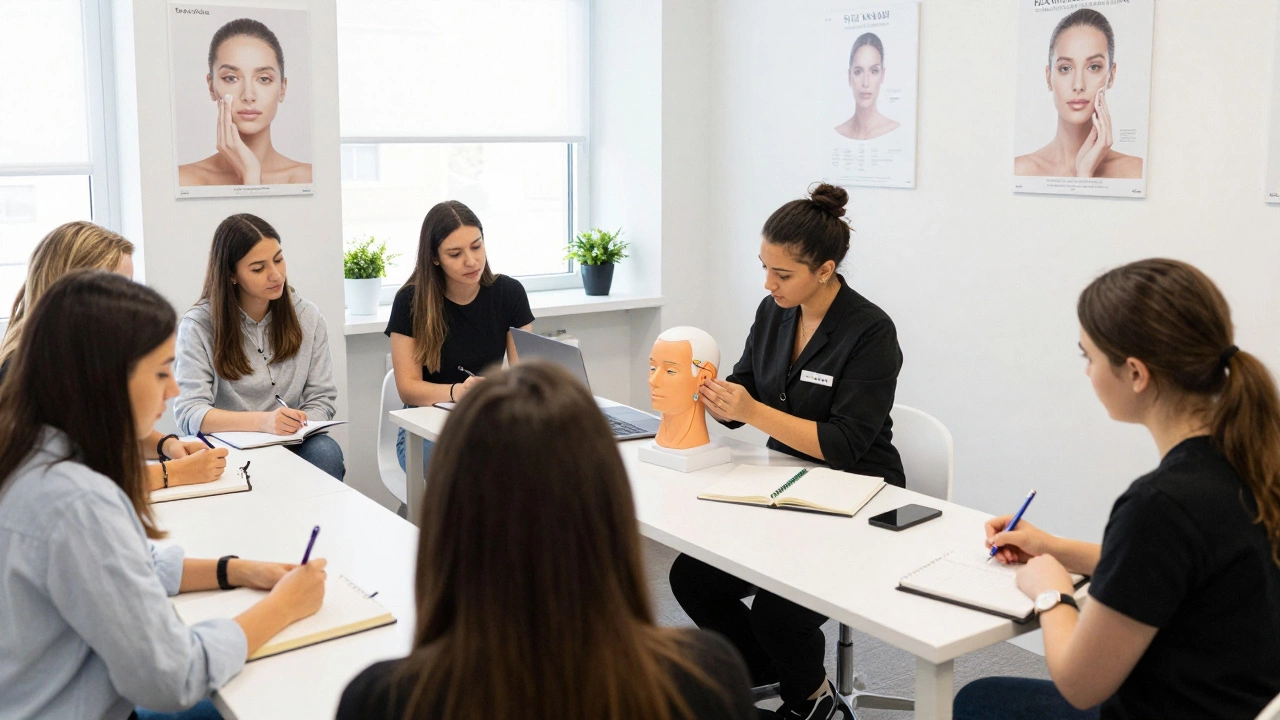
Before you even touch a needle, you need to understand how skin actually works. You can't just jump into a weekend course and expect to be an expert. Most reputable trainers will ask if you have a baseline qualification in Beauty Therapy. Why? Because you need to know the difference between a sensitive skin type and a contraindication like active acne or rosacea. If you needle over an active infection, you'll spread bacteria across the entire face. In the UK, for example, an NVQ Level 3 in Beauty Therapy is the gold standard. In the US, a state-approved Esthetician license is the starting point. These courses teach you about skin anatomy, hygiene, and how to perform a proper patch test. If you don't have this foundation, you're essentially flying blind. You might know how to turn the machine on, but you won't know why the skin is reacting a certain way or how to handle a client who has a sudden adverse reaction.The Specifics of Microneedling Certification
Once you have your base beauty qualification, you need a specialized certification for the tool itself. This is where you learn the physics of the needle. Not all needles are the same. Some are 0.25mm for product absorption, while others go up to 2.5mm for deep scarring.A proper certification course should cover three main areas: depth, technique, and aftercare.
- Depth Control: You'll learn that the skin on the forehead is much thinner than the skin on the cheeks. If you use the same depth everywhere, you risk hitting bone or causing excessive trauma.
- Technique: You'll learn the "grid" or "cross-hatch" method. If you drag the needle in one direction too many times, you can create "track marks" or linear scarring.
- Aftercare: This is where most therapists fail. You need to tell clients exactly what ingredients to avoid (like Retinol or AHAs) for at least a week after treatment to prevent chemical burns on compromised skin.
Medical vs. Cosmetic Needling
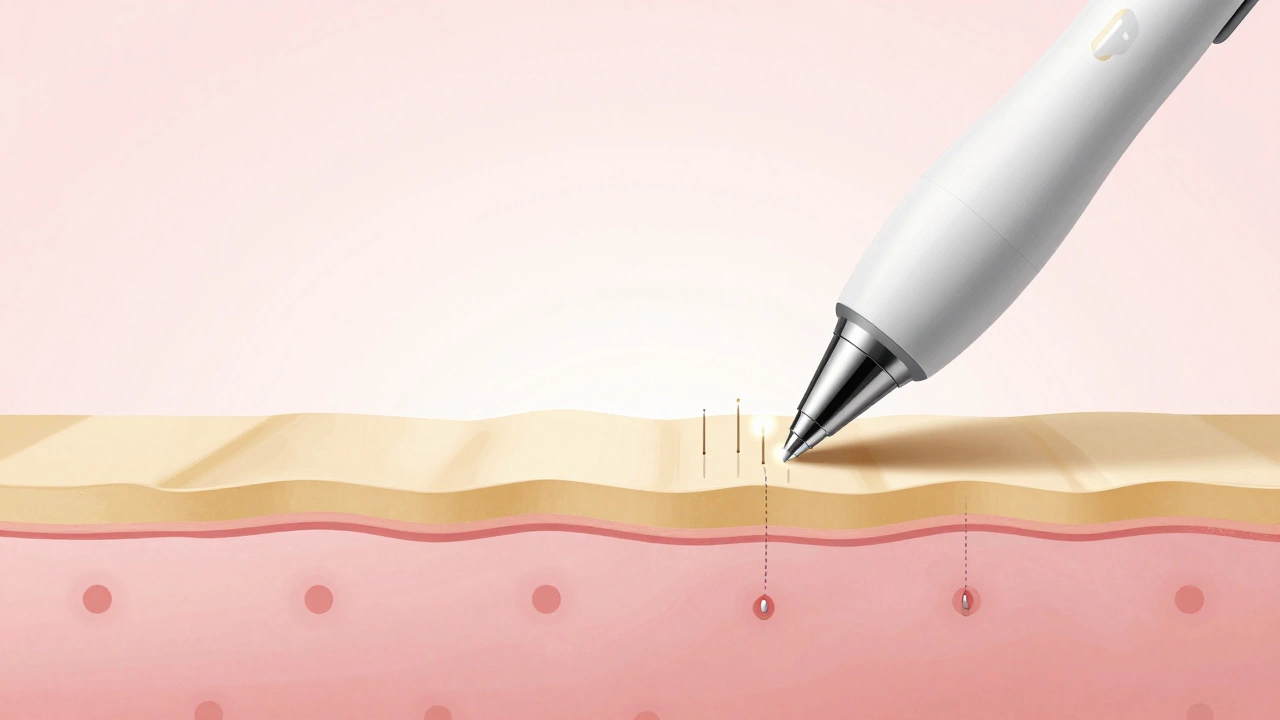
There is a massive divide in the industry between "cosmetic" and "medical" needling. It usually comes down to the length of the needle and the intent of the treatment.| Feature | Cosmetic/Esthetician | Medical/Nursing |
|---|---|---|
| Needle Depth | Usually < 1.0mm | Can exceed 1.5mm - 2.5mm |
| Primary Goal | Glow, fine lines, texture | Deep acne scars, stretch marks |
| Required Qualification | Beauty Therapy / Esthetics License | RN, NP, or Medical Degree |
| Risk Level | Moderate (Superficial) | High (Dermal penetration) |
The Role of Insurance and Regulation
Here is the cold truth: you can buy a certificate from a random website for $50, but that doesn't mean you're covered. If a client sues you for a permanent scar, your insurance company will ask for your training certificates. If the course wasn't accredited by a recognized body (like IABTA or a national qualification framework), they will likely deny your claim. Always check with your insurance provider *before* you sign up for a course. Ask them, "Will you cover me for microneedling if I complete [Course Name] from [Training Provider]?" If they hesitate, find a different course. It's better to spend an extra $200 on a reputable course now than to lose your entire business over one lawsuit later.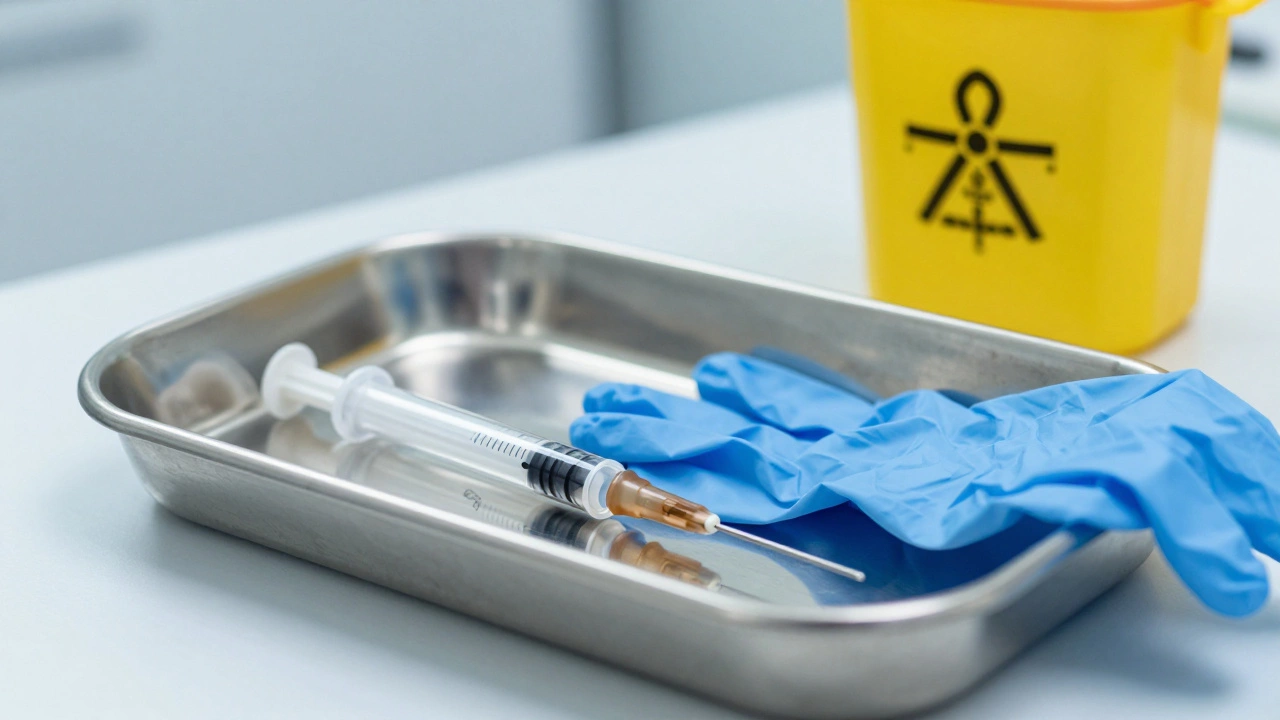
Common Pitfalls to Avoid in Your Training
Many new therapists fall for the "weekend warrior" trap. They take a two-day intensive course, get a certificate, and start charging full price. This is a recipe for disaster. Real skill in skin needling comes from seeing how different skin types heal over time. Avoid courses that don't require a practical exam. If you're just watching a video and getting a PDF certificate, you aren't being trained-you're being sold a product. You need a mentor to watch you hold the device, check your angle, and tell you when you're pressing too hard. Also, be wary of "brand-specific" training. Some companies sell you a machine and give you a "free" certification. This isn't neutral training; it's a sales pitch. Seek out independent educators who teach you the science of the skin, not just how to use a specific brand of pen.Setting Up Your Practice Safely
Once you have your qualifications, the work isn't over. You need to set up a clinical environment. Microneedling is an invasive procedure. You aren't just doing a facial; you're creating open wounds. Your space needs to be sanitized. You should be using single-use, sterile needle cartridges that are disposed of in a Biohazard Sharps Container. If you're using a reusable roller (which is generally discouraged for professional use due to hygiene risks), it must be sterilized in an autoclave. Furthermore, develop a strict consultation form. You need to screen for blood-thinning medications, history of keloid scarring, and active herpes simplex (cold sores). Needling over a cold sore can lead to a massive outbreak across the face-something your qualification should have taught you to spot.Can I do skin needling without a beauty license?
In most regions, it is highly discouraged and often illegal to perform professional skin needling without at least a basic esthetics or beauty therapy license. While some small courses offer "certificates," these rarely provide the legal or insurance coverage needed to operate a business. You risk heavy fines and personal liability if you operate without a proper license.
How long does it take to get qualified?
If you already have a beauty therapy qualification, a specialized microneedling certification can take anywhere from a few days to a few weeks. However, if you are starting from scratch, you'll need to complete a full Beauty Therapy course (like an NVQ Level 3), which can take several months to a year.
Is there a difference between a derma-roller and a microneedling pen?
Yes. Derma-rollers have static needles that enter and exit the skin at an angle, which can cause "micro-tears." Microneedling pens use vertical oscillating needles that create clean, precise punctures. Most professional qualifications now focus on the pen due to its safety and adjustable depth.
Do I need a medical degree to do microneedling?
Not for cosmetic-level treatments. However, if you want to perform "medical microneedling"-which involves deeper penetration for severe scarring or using prescription-strength numbing creams-you generally need to be a licensed medical professional, such as a nurse or dermatologist.
What happens if I use the wrong needle depth?
Using a depth that is too shallow will result in no real improvement in skin texture. Using a depth that is too deep can cause "track-mark" scarring, bruising, or even permanent nerve damage in areas where the skin is thin, like the temples or around the eyes.


Write a comment