
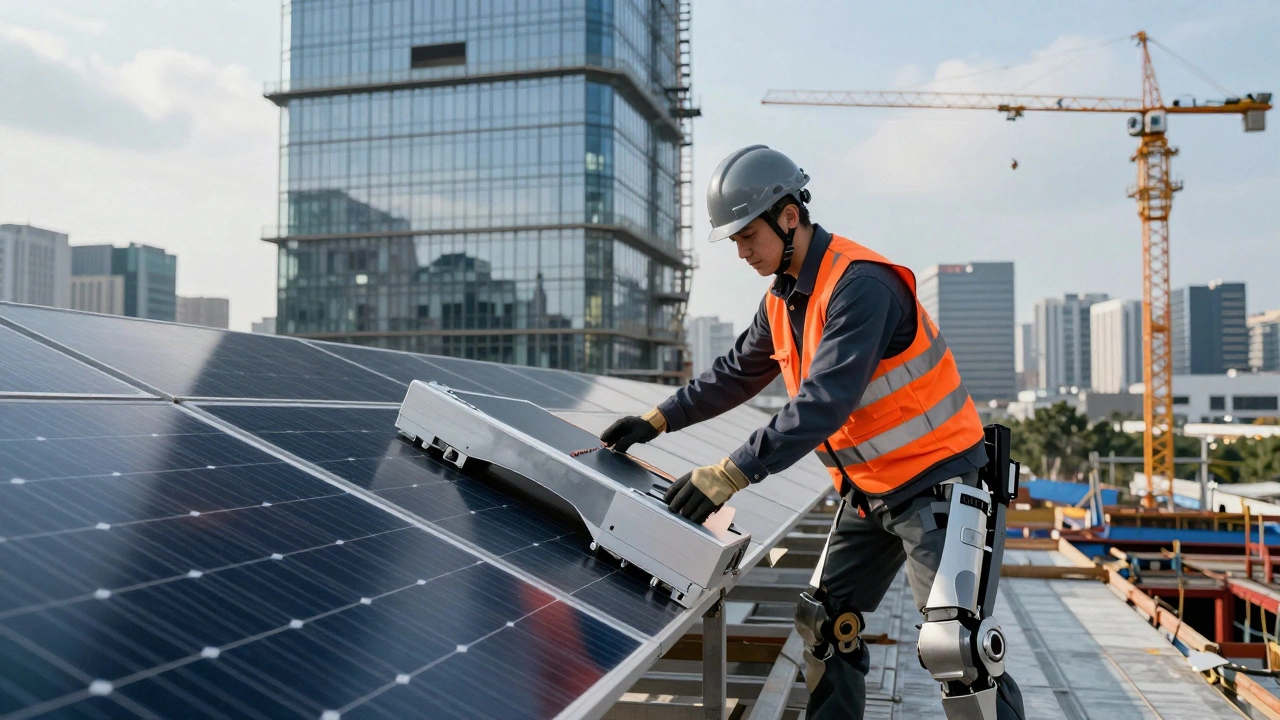
You might think construction means swinging hammers in the rain all day. That image isn't wrong, but it misses the massive evolution happening right now. In 2026, the Construction Industry is a sector driving infrastructure growth with technology integration and sustainability goals. Companies are desperate for skilled workers, creating openings that weren't available a decade ago. If you're wondering if this sector can pay your bills and offer stability, the short answer is yes-but only if you know which lane to enter.
Many people wait until they finish university before looking for work, yet the demand for practical skills often outpaces academic credentials. You don't need a degree to earn a comfortable living here, but you do need the right certifications. Let's break down exactly what the money looks like, what the daily grind feels like, and whether your body can handle the physical side of things.
The Truth About Earnings and Stability
Money is the first reason people ask if this career is worth it. Wages vary wildly depending on location and specialization. A generic laborer in a rural area makes less than a certified welder in a major city near a power plant. According to data from industry bodies, entry-level positions start modestly, but the ceiling rises fast once you qualify. Unions still command higher hourly rates in many regions, ensuring you get paid overtime and hazard premiums.
Don't just look at the starting figure. Think about longevity. Unlike office jobs where ageism can limit your potential, experience in this field keeps paying dividends. An old hand who knows how to read blueprints and manage safety protocols is invaluable. Specialized trades like electrical fitting or plumbing often allow you to go freelance later, setting your own rates. Here is how some roles compare financially:
| Role | Experience Level | Avg. Income Range |
|---|---|---|
| General Laborer | Entry | $35k - $45k |
| Carpenter | Semi-Skilled | $45k - $65k |
| Project Manageroversees budget, schedule, and teams | Senior | $85k - $120k+ |
| HVAC Specialist | Certified | $60k - $90k |
Note that these figures exclude benefits packages, which can be quite generous in larger firms. Pensions and health insurance are standard perks that boost the total compensation package significantly.
How to Enter the Field
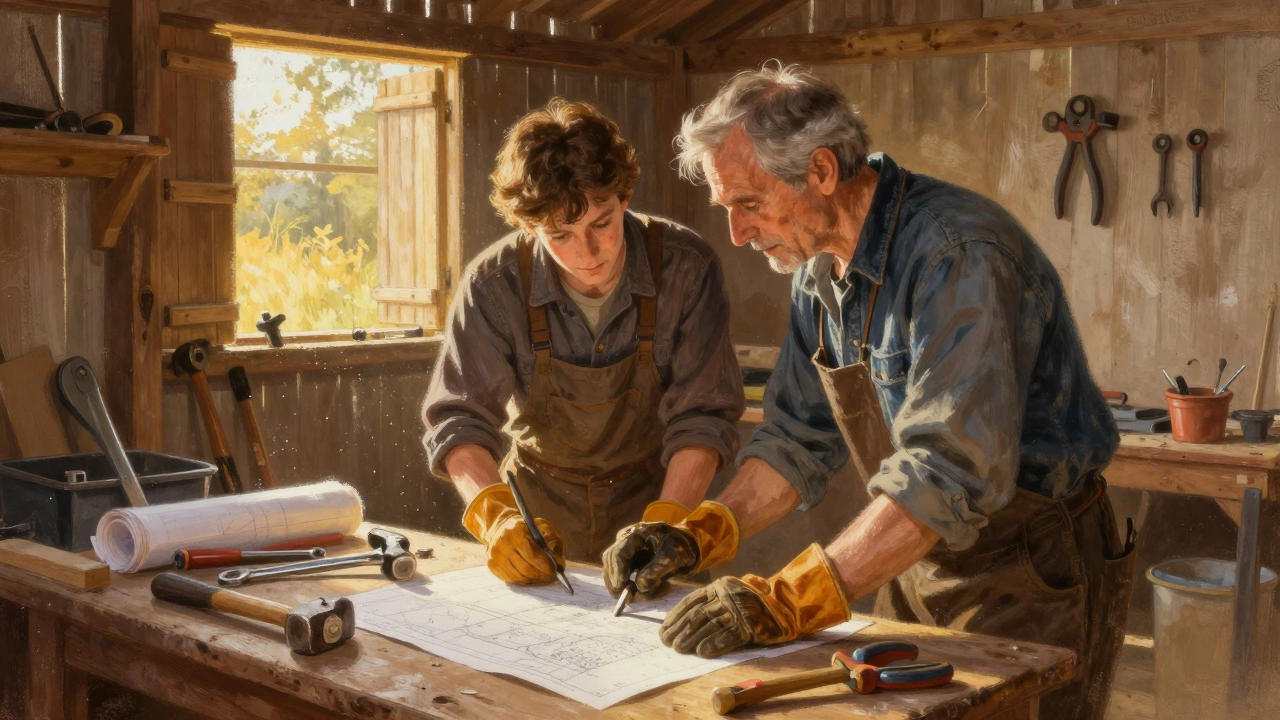
There are three main gates to walk through to get hired. Most people start with an Apprenticeshipa paid training program combining work and study. These programs cover the cost of education while teaching you on the job. You sign a contract, work alongside experienced mentors, and earn a paycheck simultaneously. It takes three to four years to complete, but you graduate debt-free and fully qualified.
The second route is college-level certification. Vocational schools offer intensive courses focusing specifically on welding, masonry, or surveying. This is faster than an apprenticeship but requires upfront payment. You gain technical knowledge quickly, though real-world site experience comes after graduation.
Finally, there is direct hiring. Some companies will take you on as a laborer and train you internally. This is riskier because you might be stuck in low-skilled work forever unless you proactively seek further training. Without formal qualifications like an NVQ Level 2National Vocational Qualification validating competency, your promotion speed slows down drastically. To stand out in 2026, you need a mix of hard skills and digital literacy.
Physical Demands and Lifestyle
We need to talk about your back. Construction is physically demanding. You will lift materials, stand for hours, and work outdoors regardless of the temperature. If you have chronic injuries or mobility issues, this might not be sustainable long-term. However, technology is easing this burden. Exoskeletons are becoming common on sites to support lifting, and heavy machinery replaces manual digging.
Work-life balance depends on your management role. Site operatives usually work long days, including weekends, especially when approaching project deadlines. Office-based managers might keep regular 9-to-5 hours. Safety is another factor; the industry has improved, but accidents happen. Following Occupational Health and Safetyrules designed to prevent workplace injuries and hazards is non-negotiable. One mistake can end a career permanently.
Travel is also part of the deal. Big infrastructure projects aren't always local. You might relocate for six months to build a road bridge or a housing development. For some, the adventure is a perk. For those with families, it can be a disruption. Know yourself before signing up for the mobile workforce.
Future Trends: Is It Growing?
The market isn't shrinking; it is shifting. With the focus on green energy, renewable projects are booming. Solar panel installation and retrofitting old buildings for energy efficiency require massive labor forces. Traditional concrete work remains steady, but smart building integration is rising. Companies using Building Information Modeling (BIM) software are the ones winning contracts. Learning to use this tech gives you a leg up over competitors who only know how to lay brick.
Automation is a valid concern. Robots handle repetitive tasks now, like bricklaying and rebar tying. This sounds scary, but it creates demand for operators and technicians who can maintain the robots. The role is evolving from pure muscle to brain-and-muscle combination. Your ability to adapt to new tools defines your employability in the coming decades.
Risks and Challenges
Every career has downsides. The biggest one here is economic sensitivity. When interest rates rise and property development halts, layoffs become common. It's a cyclical industry. During recessions, the first to go are often contractors and temporary staff. Having a versatile skill set, like holding multiple trade licenses, protects you better than specializing in just one niche.
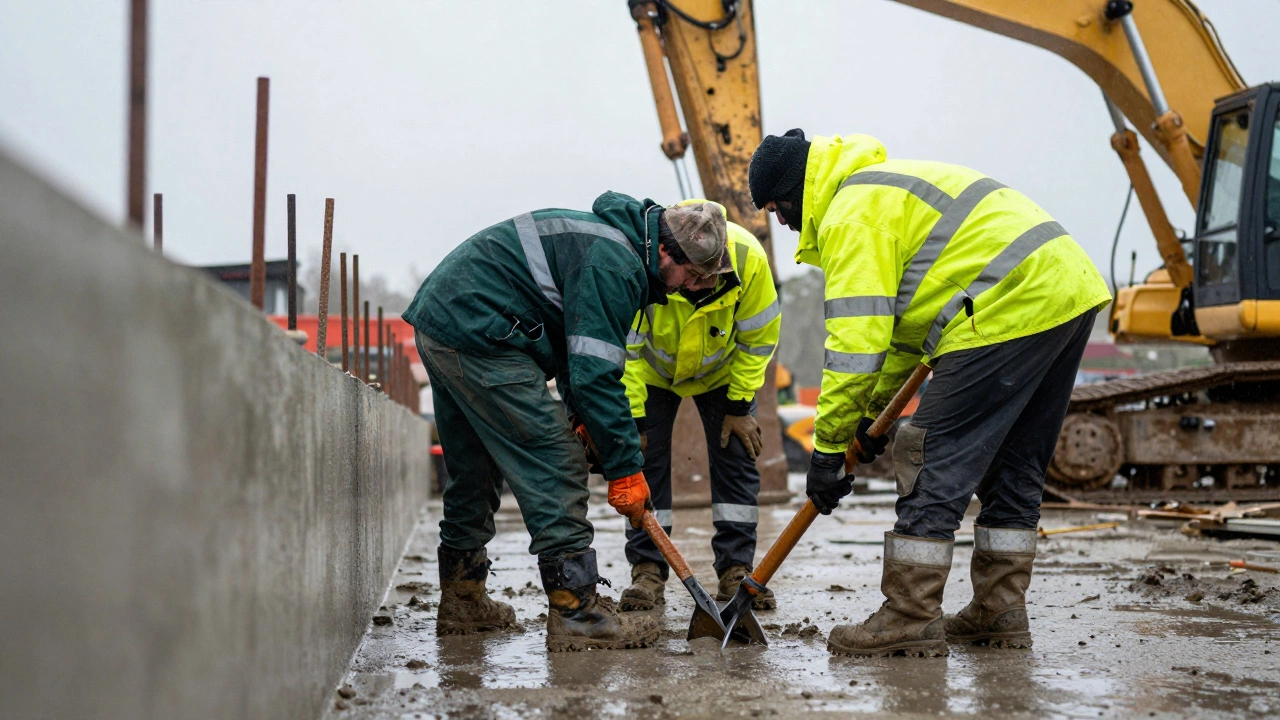
Weather is another uncontrollable variable. Rain cancels work, cold temperatures slow progress. Unpaid waiting time happens frequently. Insurance and benefits are vital here to cover periods of downtime. Also, the stress levels on large commercial projects run high. Managing client expectations while dealing with supply chain delays adds mental load to the physical strain.
Decision Matrix: Should You Jump In?
You should consider this path if you enjoy tangible results. Looking at a finished building gives satisfaction that coding or managing spreadsheets rarely provides. If you dislike sitting behind a screen for eight hours, this is your alternative. You solve problems physically rather than theoretically.
Avoid it if you prioritize extreme comfort or zero physical exertion. If you dream of a high-rise office view but hate the process of building that tower, aim for architecture instead. Success in construction requires grit. It's not just about skill; it's about showing up every morning willing to get dirty. Those who embrace that mindset usually find the career fulfilling.


Write a comment