

Teaching Assistant Career Readiness Checker
Answer these questions to see where you stand in your journey to becoming a Teaching Assistant (TA) or Higher Level Teaching Assistant (HLTA).
Awaiting Input...
Fill out the form and click 'Check My Readiness' to see your personalized feedback.
- Complete the assessment above.
You walk into a classroom, and twenty pairs of eyes look at you. The teacher is writing on the board, but the real work is happening right here, in the aisle, helping a student who’s stuck on long division. This isn’t just babysitting; it’s the backbone of modern education. If you’ve ever wondered how does one become an assistant, specifically a teaching assistant (TA), you’re asking the right question at the right time. Schools are desperate for skilled support staff, but they aren’t handing out jobs to just anyone with a pulse and patience. You need specific skills, recognized qualifications, and a bit of strategic planning.
The path from "interested" to "employed" can feel foggy because requirements vary by school and region. But don’t worry. We’ll break down exactly what you need, which courses actually matter, and how to land that first role without wasting years on irrelevant training. Whether you’re switching careers or starting fresh, this guide cuts through the noise.
What Does a Teaching Assistant Actually Do?
Before you sign up for a course, you need to know what you’re signing up for. A Teaching Assistant is a school staff member who supports teachers in managing classrooms and assisting students with learning activities. They aren’t just there to keep kids quiet. Their day-to-day involves marking work, preparing resources, supervising breaks, and providing targeted help to students with special educational needs (SEN).
In many UK schools, TAs handle small group interventions. Imagine a Year 4 class working on reading comprehension. The teacher leads the whole class, while you take three students who struggle with phonics to a corner table for intensive practice. That’s the core job. It requires emotional resilience, clear communication, and the ability to adapt quickly when a lesson plan falls apart.
The Essential Qualifications You Need
This is where most people get tripped up. You don’t necessarily need a degree to start, but you do need accredited training. The gold standard in the UK is the Level 3 Diploma in Supporting Teaching and Learning (Level 3 TA Diploma). This qualification covers child development, health and safety, and supporting literacy and numeracy. Most schools require this before hiring you for a permanent role.
If you have no prior experience, starting with a Level 2 Award might seem tempting, but it often limits your employability. Employers prefer candidates who can hit the ground running with Level 3 knowledge. Many providers offer these diplomas online, allowing you to study while working another job. Look for courses accredited by Ofqual to ensure they are recognized nationwide.
Choosing the Right Course Provider
Not all teaching assistant courses are created equal. Some are purely theoretical, leaving you unprepared for the chaos of a real classroom. Others include practical placements, which are invaluable. When comparing providers, check if the course includes a mandatory work placement in a school setting. Real-world experience counts more than exam scores in interviews.
| Qualification | Typical Duration | Best For | Employability Impact |
|---|---|---|---|
| Level 2 Award | 6-12 months | Volunteers & Entry-level | Low - Often insufficient for paid roles |
| Level 3 Diploma | 12-24 months | Career changers & New entrants | High - Industry standard requirement |
| Foundation Degree | 2-3 years | Long-term career progression | Very High - Opens doors to senior TA roles |
Notice the gap between Level 2 and Level 3? That’s the difference between being ignored and getting invited for an interview. Don’t skip the hard work. Invest in the Level 3 Diploma if you want a sustainable career.

Gaining Experience Without a Job
You can’t get a job without experience, but you can’t get experience without a job. Classic catch-22. The solution? Volunteering. Contact local primary schools directly. Ask if they need help with reading groups or playground supervision. Even two hours a week adds credibility to your CV.
When you volunteer, treat it like a paid role. Arrive early, dress professionally, and ask for feedback. Document specific examples of how you helped a child overcome a hurdle. Did you use visual aids to explain a math problem? Did you manage a conflict between two students? These anecdotes are gold during interviews.
Applying for Your First Role
Schools hire TAs year-round, but peaks occur in August and September. Keep an eye on local authority websites and specialized job boards like TES or Education Support. When applying, tailor your cover letter to the school’s ethos. If they emphasize outdoor learning, mention your interest in nature-based education.
Interviews will test your scenario-handling skills. Expect questions like, "A student refuses to join the group activity. What do you do?" Avoid generic answers. Instead, describe a step-by-step approach: assess the situation, speak calmly to the student, offer alternatives, and report back to the teacher. Show them you understand the hierarchy and the importance of teamwork.
Career Progression and Salary Expectations
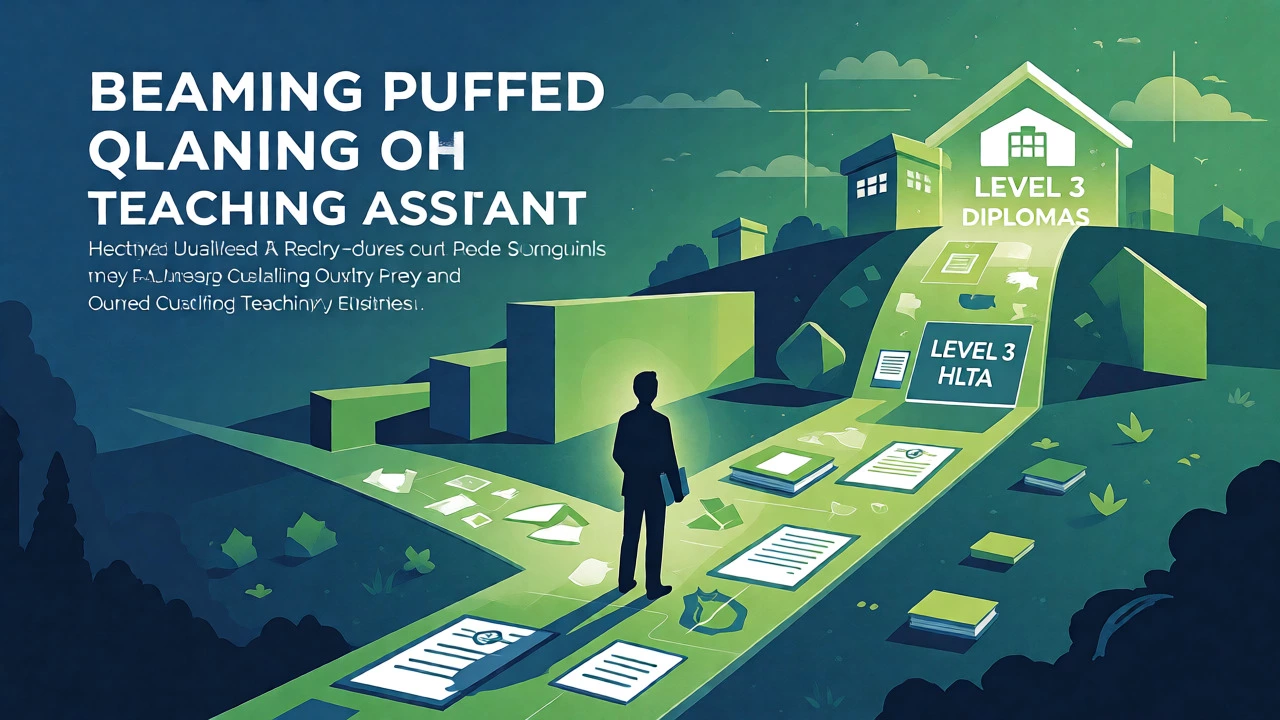
Starting salaries for TAs in the UK typically range from £18,000 to £22,000 per annum, depending on location and experience. London tends to pay higher due to cost-of-living adjustments. With a Level 3 Diploma and a few years of experience, you can move into Higher Level Teaching Assistant (HLTA) roles, which involve more autonomy and sometimes covering classes.
Some TAs eventually pursue Qualified Teacher Status (QTS). Your experience as a TA provides a solid foundation for teacher training programs like School Direct or Teach First. It’s not a dead-end job; it’s a launchpad.
Common Pitfalls to Avoid
Many aspiring TAs underestimate the administrative burden. You’ll spend time photocopying, laminating, and organizing supplies. If you hate organization, this role might frustrate you. Also, beware of "unqualified" offers. Some schools try to hire people without Level 3 qualifications at lower pay rates, hoping they won’t notice. Know your worth. Push for accreditation recognition.
Another mistake is ignoring safeguarding training. Every school requires up-to-date safeguarding certificates. Take this seriously. It’s not just paperwork; it’s about protecting vulnerable children. Failing to maintain this certification can lead to immediate dismissal.
Do I need a degree to become a teaching assistant?
No, a university degree is not required for entry-level teaching assistant roles. However, holding a Level 3 Diploma in Supporting Teaching and Learning is widely considered the minimum industry standard. A degree can help with progression to senior roles or teaching, but it is not necessary to start.
How long does it take to complete a Level 3 Teaching Assistant course?
Most Level 3 Diplomas take between 12 to 24 months to complete, depending on whether you study full-time or part-time. Online providers often allow flexible pacing, so motivated learners can finish faster, while those balancing work may take longer.
Can I become a teaching assistant without any experience?
Yes, but it is challenging. Completing a recognized qualification like the Level 3 Diploma demonstrates commitment and theoretical knowledge. To compensate for lack of professional experience, volunteering in schools or childcare settings is highly recommended to build practical skills and references.
What is the difference between a Teaching Assistant and a Higher Level Teaching Assistant?
A Higher Level Teaching Assistant (HLTA) has additional responsibilities, such as covering classes in the absence of a teacher, leading lessons, and mentoring other TAs. HLTA status usually requires further training and assessment beyond the standard Level 3 Diploma.
Are teaching assistant jobs available outside of schools?
While most roles are in primary and secondary schools, similar support roles exist in nurseries, colleges, and special educational needs centers. Some private tutoring agencies also hire assistants with strong subject knowledge and interpersonal skills.



Write a comment