
Beauty Therapist Career Roadmap
Track your progress through the essential steps required to become a qualified and insured beauty therapist.
Step 1: Understand the Role
Before investing in courses, ensure this career fits your lifestyle and physical capabilities.
- Core Duties: Facials, waxing, manicures, pedicures, massage, and body treatments.
- Skill Level: "Therapist" implies higher technical skill than general beautician roles.
- Physical Demands: Requires standing for long periods and manual dexterity.
- Client Interaction: Strong communication skills are vital for consultations and hygiene management.
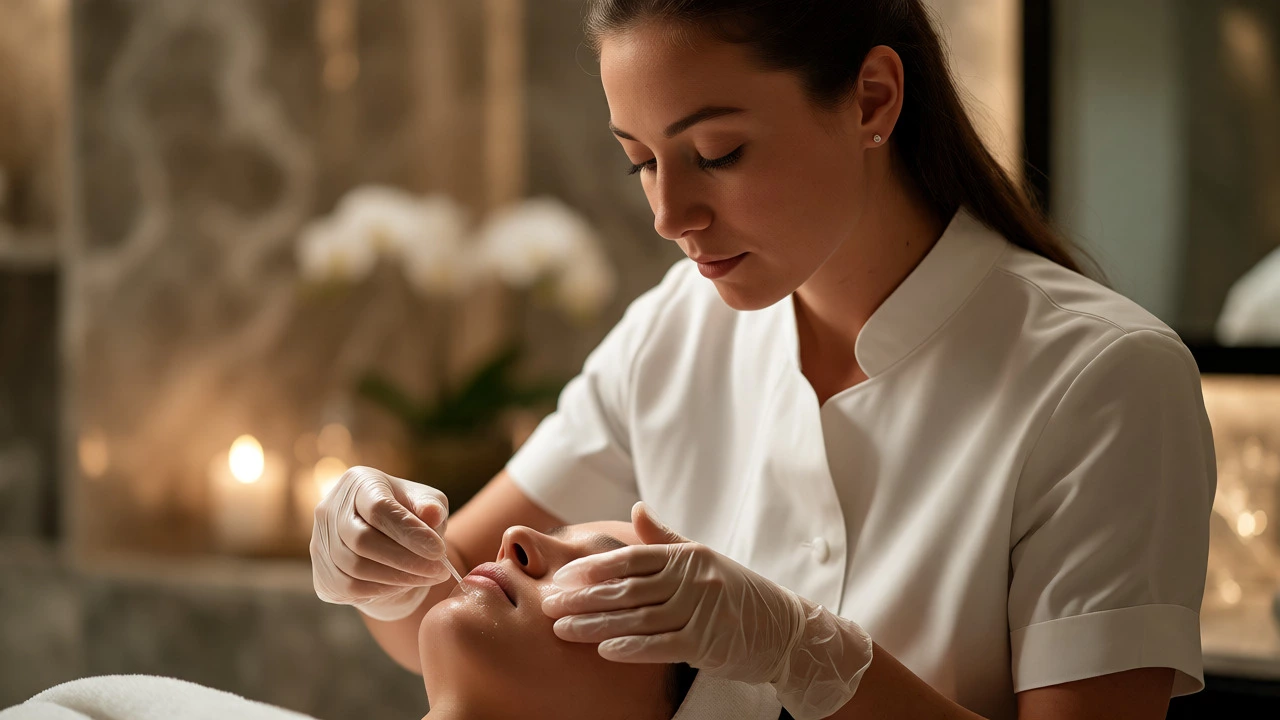
You walk into a high-end spa in Bristol, and the atmosphere is calm, professional, and expensive. The person handling your facial isn't just someone who watched a few YouTube tutorials; they are a professional beauty therapist, trained in anatomy, hygiene, and advanced skin science. If you’re wondering how to get from zero to that level of expertise, you’re asking the right question. It’s not just about having steady hands or an eye for color-it’s about certification, legal compliance, and building a reputation that keeps clients coming back.
The path to becoming a qualified therapist is clearer than most people think, but it requires specific steps. You can’t just buy a kit and start charging £50 for a treatment. Clients trust their faces and bodies to you, and insurance companies won’t cover you without proof of training. Here is exactly what you need to do to turn a passion for skincare and makeup into a legitimate career.
Understand What a Beauty Therapist Actually Does
Before you spend money on courses, you need to know if this job fits your lifestyle. A beauty therapist performs non-medical treatments to enhance appearance and well-being. This includes facials, waxing, manicures, pedicures, massage, and body treatments. Unlike a beautician, which is often a more general term, a "therapist" implies a higher level of technical skill and knowledge of health and safety protocols.
Most entry-level roles involve:
- Skin Analysis: Diagnosing skin types (oily, dry, combination) and conditions (acne, rosacea).
- Treatment Delivery: Performing chemical peels, microdermabrasion, or LED light therapy.
- Client Consultation: Reviewing medical history to ensure treatments are safe.
- Hygiene Management: Sterilizing tools and maintaining clinic standards.
If you enjoy interacting with people, have good manual dexterity, and don’t mind standing for long periods, this could be a great fit. But remember, it’s physically demanding. Your hands are your primary tool, so protecting them is part of the job description.
Get the Right Qualifications (NVQ Levels)
In the UK, there is no single government-mandated license like there is for doctors or lawyers. However, the industry standard is clear: you need National Vocational Qualifications (NVQs). Without these, reputable salons won’t hire you, and insurers won’t cover you.
The progression usually looks like this:
| Qualification Level | Focus Area | Typical Duration | Career Outcome |
|---|---|---|---|
| NVQ Level 2 | Basic Facials, Manicures, Pedicures, Waxing, Makeup | 1 Year (Full-time) | Junior Therapist, Salon Assistant |
| NVQ Level 3 | Advanced Skin Treatments, Massage, Body Wraps, Electrical Equipment | 1 Year (Full-time) | Senior Therapist, Spa Manager |
| NVQ Level 4/5 | Specialized Therapies (e.g., Electrolysis), Business Management | 6-12 Months | Trainer, Clinic Owner, Specialist |
NVQ Level 2 is your absolute minimum. It covers the fundamentals. You’ll learn how to cleanse, exfoliate, and moisturize correctly, plus basic nail care. Most employers consider this the baseline for employment.
NVQ Level 3 takes you further. Here, you learn to use electrical machines like galvanic current or ultrasonic devices. You also study anatomy and physiology in depth. If you want to work in a luxury spa or open your own mobile business, Level 3 is highly recommended. Many students combine Level 2 and 3 into a two-year full-time course at a college or private academy.
Choose Between College and Private Academies
You have two main routes for training: Further Education (FE) colleges or private beauty academies. Both lead to the same accredited qualifications (usually from awarding bodies like City & Guilds or VTCT), but the experience differs significantly.
Colleges are cheaper. In England, many Level 2 courses are free for students under 19, and subsidized for others. You’ll be in a classroom environment with other students, which is great for networking. However, schedules are rigid, and you might have to wait until September to start.
Private Academies cost more-often between £2,000 and £5,000-but offer flexibility. You can often start anytime, and the pace is faster. Some intensive courses compress a year’s worth of learning into three months. The downside? You pay out of pocket, and the quality varies wildly. Always check if the academy is registered with an awarding body before paying a deposit.
Ask yourself: Do I need financial aid and a structured academic year? Go to college. Do I need to switch careers quickly and have the budget? Look at a reputable private academy.

Gain Practical Experience Through Work Placements
Classroom theory is useless if you can’t apply it. During your NVQ, you must complete practical assessments. This means treating real models or clients. Most courses require you to log hours performing treatments under supervision.
Don’t wait until graduation to look for work. Start applying for junior positions or apprenticeships while you’re still studying. An apprenticeship allows you to earn while you learn. You’ll work in a salon 3-4 days a week and attend college one day. This is arguably the best way to enter the industry because you build a client base and understand salon culture before you even finish your certificate.
If you can’t find an apprenticeship, volunteer at local charity events or offer discounted services to friends and family. Document every treatment you perform. Keep a portfolio of before-and-after photos (with permission) and signed assessment logs. Employers love seeing evidence of hands-on competence.
Secure Public Liability Insurance
This step trips up many new therapists. You cannot legally treat clients professionally without insurance. Even if you work in a salon, ensure the salon’s policy covers you. If you plan to work freelance or rent a room in a hairdresser’s shop, you need your own policy.
Look for providers that specialize in beauty therapy, such as ABT (Associated British Theatre) or similar industry-specific insurers. Coverage typically includes:
- Public Liability: Covers claims if a client is injured during a treatment (e.g., burns from hot wax).
- Professional Indemnity: Covers claims related to advice given or results achieved.
- Equipment Cover: Protects your tools if stolen or damaged.
Budget around £100-£200 per year for a basic freelance policy. It’s a small price to pay for peace of mind.
Build Your Portfolio and Find Your First Job
Once you have your Level 2 or 3 qualification, it’s time to sell yourself. Your CV should highlight your practical hours, specific skills (e.g., "proficient in Swedish massage" or "experienced with CACI equipment"), and any specialized certifications.
Where to look for jobs?
- Local Salons and Spas: Walk in with your CV. Personal contact works wonders in this industry.
- Job Boards: Check Indeed, Reed, and niche sites like BeautyJobsUK.
- Recruitment Agencies: Some agencies specialize in hospitality and beauty placements.
Expect starting salaries to range from £18,000 to £22,000 per year in the UK, depending on location and tips. Commission structures vary-some salons offer 10-20% commission on retail products sold or additional treatments performed. Negotiate this upfront.
Continuing Professional Development (CPD)
Beauty trends change fast. Five years ago, microneedling was niche; now it’s standard. To stay employable, you must keep learning. This is called Continuing Professional Development (CPD).
Consider short courses in high-demand areas:
- Lash and Brow Extensions: High-margin service, very popular.
- Persistent Pigmentation: Learning laser or IPL basics (requires extra certification).
- Dermaplaning: Quick, effective exfoliation technique.
- Aromatherapy: Adds value to massage services.
Many therapists eventually move into management, sales for beauty brands, or education. Others go fully independent, renting a chair or running a mobile van. The key is to never stop refining your craft.
Do I need a degree to become a beauty therapist?
No, you do not need a university degree. The industry standard is vocational training, specifically NVQ Level 2 and Level 3 qualifications. These are practical, hands-on certificates offered by colleges and private academies. While some therapists pursue degrees in cosmetic science for research or formulation roles, clinical practice relies on NVQs.
How long does it take to become a qualified beauty therapist?
A full-time NVQ Level 2 course typically takes one year. Adding Level 3 takes another year, making the total pathway two years. Intensive private courses can compress this into 3-6 months, but they are rigorous and expensive. Part-time study may take longer, depending on your schedule.
Can I work as a beauty therapist without qualifications?
Technically, yes, but it’s risky and limited. Reputable salons require NVQs to meet insurance and safety standards. Without qualifications, you might only find low-paid assistant roles or struggle to get insured for freelance work. Most clients and employers view unqualified practitioners as a liability.
What is the difference between a beautician and a beauty therapist?
The terms are often used interchangeably, but "therapist" generally implies a higher level of training, particularly in anatomy, physiology, and the use of electrical equipment. A beautician might focus more on superficial services like makeup and nails, while a therapist handles complex skin conditions and therapeutic massages. In the UK, holding NVQ Level 3 often aligns with the title "therapist."
Is beauty therapy a good career choice in 2026?
Yes, the demand for self-care and wellness continues to grow. With the rise of non-invasive aesthetic treatments, skilled therapists are in high demand. However, the market is competitive, so specializing in niche areas like advanced anti-aging or holistic wellness can make you more employable and allow you to charge premium rates.


Write a comment