
Beauty Therapist Readiness Quiz
Answer these questions honestly to see if you possess the essential qualities of a successful beauty therapist.
Loading question...
Your Assessment Result
Key Takeaway
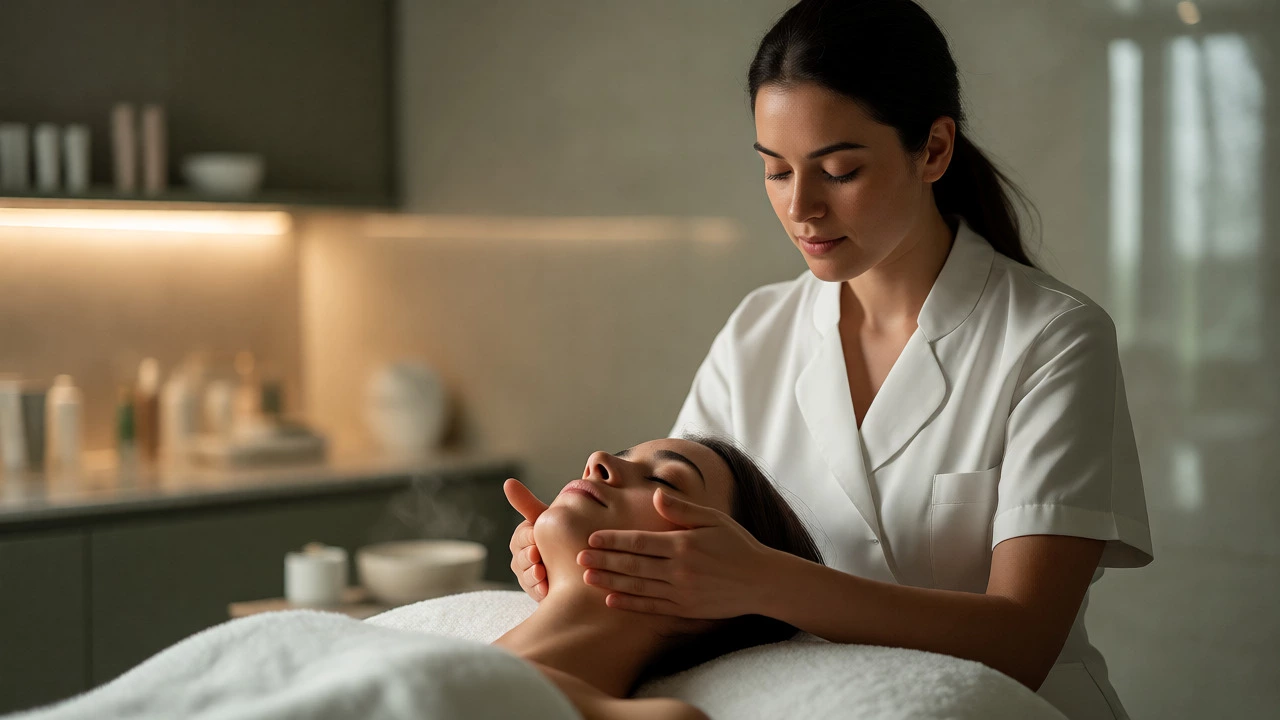
You’ve seen the glossy magazines and the Instagram reels. The life of a beauty therapist looks glamorous-soft lighting, calming music, and clients leaving with glowing skin. But behind that serene atmosphere lies a demanding profession that requires more than just a steady hand with a facial brush. If you’re considering enrolling in a beauty therapy course, you might be wondering if you have what it takes. It’s not just about knowing how to mix wax or operate an IPL machine; it’s about personality, resilience, and a specific set of interpersonal skills that textbooks can’t fully teach.
Think about your last salon visit. Did you feel rushed? Did the therapist listen to your concerns? Or did they talk over you while scrubbing your back? The difference between a mediocre service and a five-star experience often comes down to soft skills rather than technical prowess. While qualifications like Level 2 and Level 3 NVQs are mandatory entry tickets, the qualities that keep clients coming back-and keep you from burning out-are deeply personal. Let’s break down exactly what you need to thrive in this industry, moving beyond the checklist of certifications to the human elements that define a great practitioner.
Technical Proficiency and Continuous Learning
First things first: you cannot fake competence. A beauty therapist is a healthcare-adjacent professional who works on people’s faces and bodies. Mistakes aren’t just embarrassing; they can cause physical harm. You need a solid grasp of anatomy, physiology, and dermatology. Understanding why a certain ingredient causes a reaction or how skin cells regenerate isn’t optional-it’s the foundation of safe practice.
However, technology in beauty moves fast. What was standard five years ago, like basic manual extractions, has evolved into advanced techniques involving hydro-facials, micro-needling, and laser hair removal. This brings us to the first critical quality: adaptability. You must be willing to learn new technologies constantly. Many therapists fail because they stick to what they learned in college and refuse to upskill. In Bristol, for instance, spas are increasingly integrating wellness tech like cryotherapy alongside traditional massages. If you can’t adapt your skill set, you become obsolete.
| Category | Examples | Why It Matters |
|---|---|---|
| Hard Skills | Facial treatments, manicures, pedicures, waxing, makeup application | Ensures safety and meets legal licensing standards |
| Soft Skills | Empathy, active listening, time management, sales intuition | Builds trust, increases retention, and drives revenue |
Exceptional Communication and Empathy
Here is the uncomfortable truth: you are part therapist, part confidant, and part technician. Clients often come to a beauty room feeling vulnerable. They might be self-conscious about acne scars, aging signs, or body image issues. How you speak to them matters as much as what you do to them. Empathy is the ability to understand and share the feelings of another. In this context, it means reading the room. Some clients want to chat about their weekend; others want silence. A good therapist detects these cues immediately.
Active listening is a subset of this. It’s not just waiting for your turn to speak. It’s asking open-ended questions during the consultation phase. “How does your skin feel after using this product?” is better than “Do you like this product?” One invites feedback; the other invites a yes/no answer that gives you no data. If you ignore subtle hints of discomfort, you risk damaging the client’s trust. Once that trust is broken, they rarely return.
Hygiene Standards and Attention to Detail
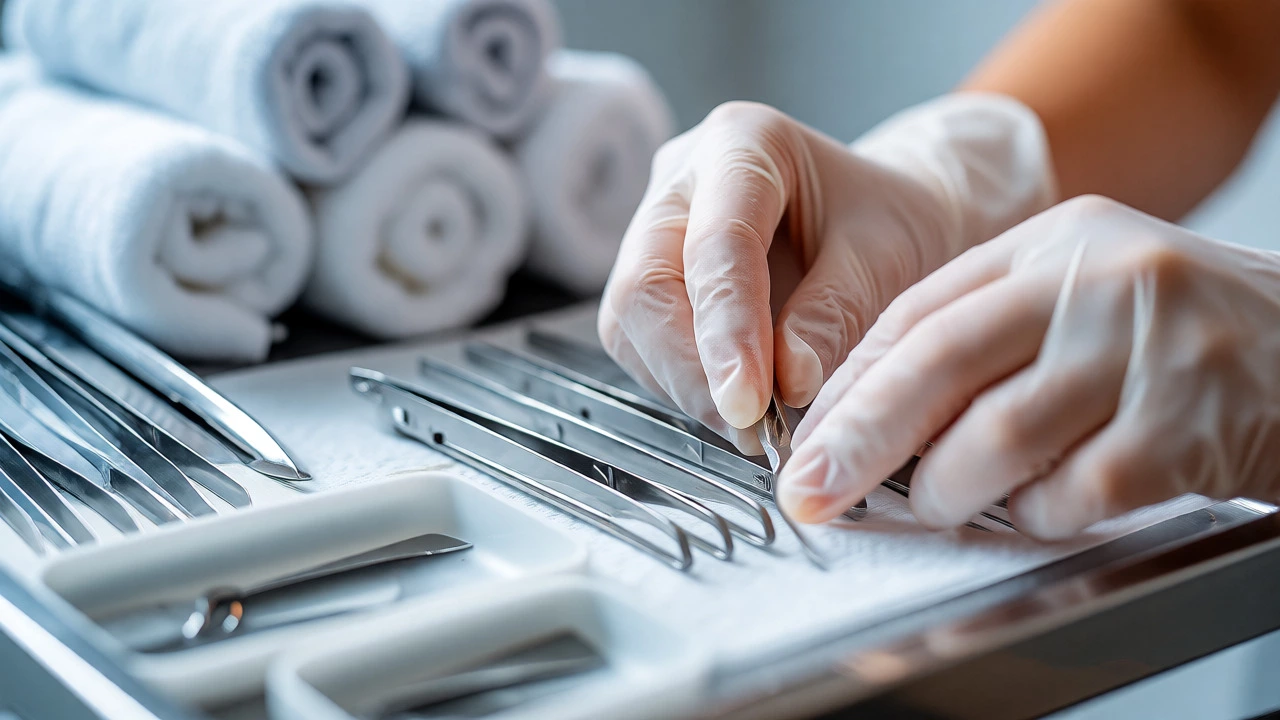
If you are messy in your personal life, you will struggle here. Beauty therapy is unforgiving of sloppiness. A single drop of oil on a clean towel, a smudge of mascara on a sheet mask, or unsterilized tweezers can ruin the entire experience. Hygiene isn’t just about looking clean; it’s about infection control. You are working with tools that penetrate the skin barrier or touch mucous membranes.
Attention to detail extends to your workspace. Is your trolley organized? Are your towels folded precisely? Do you check the temperature of hot stones before placing them on a client’s back? These micro-details signal professionalism. Clients subconsciously judge your competence based on the cleanliness of your environment. If your station looks chaotic, they assume your technique is too. Developing a meticulous routine for setup and cleanup is non-negotiable.
Physical Stamina and Dexterity
Let’s bust the myth that beauty therapy is easy work. It is physically taxing. You will spend eight hours standing, bending, twisting, and using fine motor skills under pressure. Your hands are your primary tools, so dexterity is crucial. You need steady fingers for precise eyelash extensions or delicate nail art. Tremors or poor coordination can lead to uneven results or accidental nicks.
Beyond hands, consider your back and legs. Massage therapists, in particular, suffer high rates of occupational injury due to repetitive strain and poor posture. You need core strength and proper body mechanics to avoid burning out by age thirty. Regular exercise and stretching aren’t just for fitness; they are job maintenance. If you lack physical endurance, you’ll find yourself exhausted after three clients, unable to deliver the same energy to the fourth.
Sales Acumen and Business Mindset
Unless you work strictly for a large corporate chain with fixed scripts, you are essentially running a small business within a business. Even employed therapists need to sell. This doesn’t mean being pushy. It means understanding the value of the products you use. When you recommend a home-care serum, you aren’t just upselling; you’re ensuring the longevity of the treatment you just performed.
A successful therapist understands the economics of their role. They know which services have the highest profit margins. They recognize when a client is likely to book a package versus a single session. Being able to communicate the benefits of a course of treatments without sounding like a used-car salesman is a rare and valuable skill. It requires confidence and genuine belief in the efficacy of what you offer. If you don’t believe in the product, the client won’t either.

Emotional Resilience and Professional Boundaries
You will encounter difficult clients. Someone will complain about a price increase. Another will insist on a treatment that isn’t suitable for their skin type. You might deal with someone going through a divorce who cries throughout their facial. Emotional resilience is your armor. You must remain calm, polite, and professional, regardless of the emotional weather in the room.
Equally important is setting boundaries. It’s tempting to stay late to accommodate a walk-in or to give extra time to a favorite regular. But if you don’t manage your schedule, you burn out. Learning to say “no” politely but firmly is a key quality. It protects your time and ensures you maintain a healthy work-life balance. Remember, you can’t pour from an empty cup.
Cultural Sensitivity and Inclusivity
The modern beauty landscape is diverse. You will treat people of all ages, genders, ethnicities, and skin tones. Each group has unique needs. Darker skin tones, for example, require different approaches to exfoliation and laser settings to avoid hyperpigmentation. Men are increasingly seeking skincare and grooming services, requiring a shift in language and approach compared to traditional female-centric models.
Inclusivity also covers disability awareness. Can you assist a wheelchair user comfortably? Do you have accessible changing facilities? Being culturally sensitive means educating yourself on these differences rather than assuming one size fits all. A therapist who lacks this awareness may inadvertently offend or provide suboptimal care to minority groups.
Practical Steps to Assess Your Readiness
Before you sign up for a full diploma, test the waters. Here is a quick checklist to see if you align with these qualities:
- Shadow a professional: Ask to observe a day at a local spa. Watch how they interact with clients, not just how they perform treatments.
- Practice on friends: Offer free facials or manicures. Pay attention to how long it takes you to complete a service cleanly and how tired you feel afterward.
- Read reviews: Look at negative reviews for local salons. What complaints recur? Poor communication? Dirty towels? Rude staff? See if those are pitfalls you could fall into.
- Evaluate your patience: Can you sit still and focus on a tiny detail (like a cuticle) for twenty minutes without getting distracted?
If you found yourself enjoying the problem-solving aspect of skin analysis and the satisfaction of making someone feel better, you’re on the right track. If you felt drained by the constant talking or anxious about the precision required, reconsider your path. There are many roles in the beauty industry-from retail to marketing-that might suit your personality better.
Do I need a science background to be a beauty therapist?
You don’t need a degree in biology, but you do need to pass modules on anatomy and physiology. Most beauty therapy courses cover this from scratch. However, a genuine interest in how the body works makes learning significantly easier and helps you troubleshoot skin issues effectively.
Is customer service experience necessary?
While not strictly mandatory, prior experience in hospitality or retail is a massive advantage. It teaches you how to handle complaints, manage time pressures, and read social cues. Employers often prefer candidates who already possess these soft skills, even if they are new to beauty techniques.
How important is physical fitness for this career?
It is very important. Beauty therapists stand for most of their shifts and perform repetitive movements. Good cardiovascular health and core strength help prevent fatigue and injuries like carpal tunnel syndrome or lower back pain. Regular exercise is considered part of professional maintenance.
Can introverts succeed as beauty therapists?
Absolutely. Not every client wants to chat. Introverts often excel at active listening and creating a calm, quiet environment. As long as you can communicate clearly during consultations and instructions, your quieter nature can be a selling point for clients seeking relaxation.
What is the biggest mistake new therapists make?
The most common error is neglecting hygiene protocols when busy. Rushing leads to skipped sterilization steps or improper hand washing. Another major mistake is failing to conduct thorough patch tests for allergies, which can result in severe reactions and liability issues.

Write a comment